

This post may contain affiliate links. If you make a purchase through these links, we may earn a small commission at no extra cost to you. Learn more.
Introduction to Choosing Between Perennial and Annual Planting
Have you ever considered how the plants in your garden mirror the rhythms of our own lives? The decision between growing vibrant annuals or steadfast perennials could transform not just your garden’s appearance, but also the effort and resources you dedicate throughout the year. The lifecycle of annuals offers a burst of color and vitality, demanding your attention each season, while perennials provide a reliable, enduring presence, evolving with time. Choosing the right type of plants can enhance your garden’s beauty, reduce maintenance, and even boost your curb appeal. Are you ready to unlock the secrets of a thriving garden? In this post, we’ll delve into the unique characteristics, benefits, and considerations of both annual and perennial planting, helping you cultivate a garden that suits your lifestyle and environment.
Understanding lifecycle of annuals: The Fundamentals
When delving into the art of gardening, understanding the lifecycle of annuals is essential for making informed planting choices. Annual plants, by definition, complete their entire life cycle—from seed germination to seed production—within a single growing season. This characteristic makes them a popular choice for gardeners seeking vibrant, seasonal splashes of color. However, the lifecycle of annuals involves more than just planting and harvesting. It requires careful planning, timely actions, and an understanding of their unique growth patterns.
First and foremost, the lifecycle of annuals begins with germination. This process can be initiated indoors or directly in the garden, depending on the plant’s hardiness and local climate conditions. For instance, marigolds and zinnias can be sown directly into the soil once the danger of frost has passed. Starting seeds indoors, however, can give gardeners a head start on the growing season, especially in regions with shorter summers.
After germination, annuals quickly enter the growth phase. During this stage, plants focus on building strong roots, stems, and leaves. Proper soil preparation and nutrient-rich fertilization are crucial at this juncture. Gardeners often use organic compost to enhance soil fertility, ensuring robust plant development. It’s important to remember that annuals, like all plants, require adequate water, yet overwatering can lead to root rot and other complications.
The Blooming Stage: A Burst of Color
The blooming stage is perhaps the most anticipated phase in the lifecycle of annuals. This is when the plants display their vibrant flowers, adding aesthetic value to any garden. The duration of the bloom varies among species; some, like petunias, may flower continuously, while others, such as sunflowers, have a shorter blooming period. Regular deadheading—removing spent flowers—can encourage more blooms and prolong the flowering phase, maximizing the visual impact.

As the blooming stage winds down, annuals shift their energy towards seed production. This phase marks the beginning of the end for the plant. Gardeners looking to harvest seeds for the next season should monitor this stage closely. Collecting seeds at the right time ensures viability for future planting. However, not all gardeners choose to save seeds, as purchasing new ones each year allows for experimentation with different varieties.
Despite their temporary nature, annuals offer several advantages. They can be strategically used to fill gaps in perennial gardens, providing color and interest while perennials establish themselves. Additionally, annuals are often easier to manage in terms of pest control. Unlike perennials, they don’t require extensive long-term care, reducing the risk of pest infestations over time. For more insights on how to optimize your flower production, consider reading about how cut flower production can impact your garden’s success.
While the lifecycle of annuals is relatively short, it offers a unique opportunity for gardeners to experiment with different species and colors each year. This flexibility can be particularly appealing to novice gardeners or those with limited space. Moreover, local flower farmers have found that incorporating annuals into their crop rotation can significantly boost profits, as highlighted in this study.
In summary, understanding the lifecycle of annuals is key to leveraging their full potential in your garden. From strategic planting and nurturing to harvesting seeds, each step in the process is critical for success. By mastering these fundamentals, gardeners can enjoy the vibrant beauty of annuals while making informed decisions that align with their gardening goals. Embrace the seasonality of annuals, and let them transform your garden one bloom at a time.
🌱 Essential Lifecycle Of Annuals Every Beginner Needs (But Nobody Tells You)
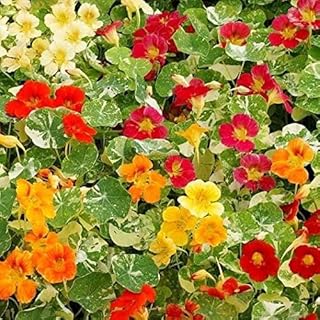


As an Amazon Associate, we earn from qualifying purchases. Prices and availability subject to change.
Why lifecycle of annuals Matters in Today’s World
The lifecycle of annuals plays a crucial role in today’s gardening and agricultural practices, offering unique benefits that can address modern challenges. Annual plants, which complete their life cycle in a single growing season, provide gardeners and farmers with flexibility and diversity. Understanding how these plants grow, bloom, and die can significantly impact decisions between choosing annuals or perennials for your garden or farm.
Firstly, the lifecycle of annuals allows for greater experimentation and adaptation each year. As annuals must be replanted every season, gardeners have the opportunity to try different species and varieties. This adaptability is especially valuable in regions experiencing changing climates, where conditions may vary significantly from year to year. For example, if one year is exceptionally dry, you might choose drought-tolerant annuals for the next planting season.
Moreover, annuals offer a quick turnaround for those looking to see immediate results. Their rapid growth and vibrant blooms can transform a garden quickly, making them ideal for those seeking instant gratification. According to a study published in HortScience, annuals can also help in controlling soil erosion due to their fast coverage of bare ground, which is beneficial for both home gardens and larger agricultural landscapes.
The Economic and Ecological Impact of Annuals
Economically, the lifecycle of annuals can be advantageous for small-scale farmers. By planting annuals, farmers can rotate crops more frequently, which helps manage soil fertility and disrupts pest and disease cycles. This practice is particularly important in avoiding the common flower farming profitability mistake that can cost farmers dearly.
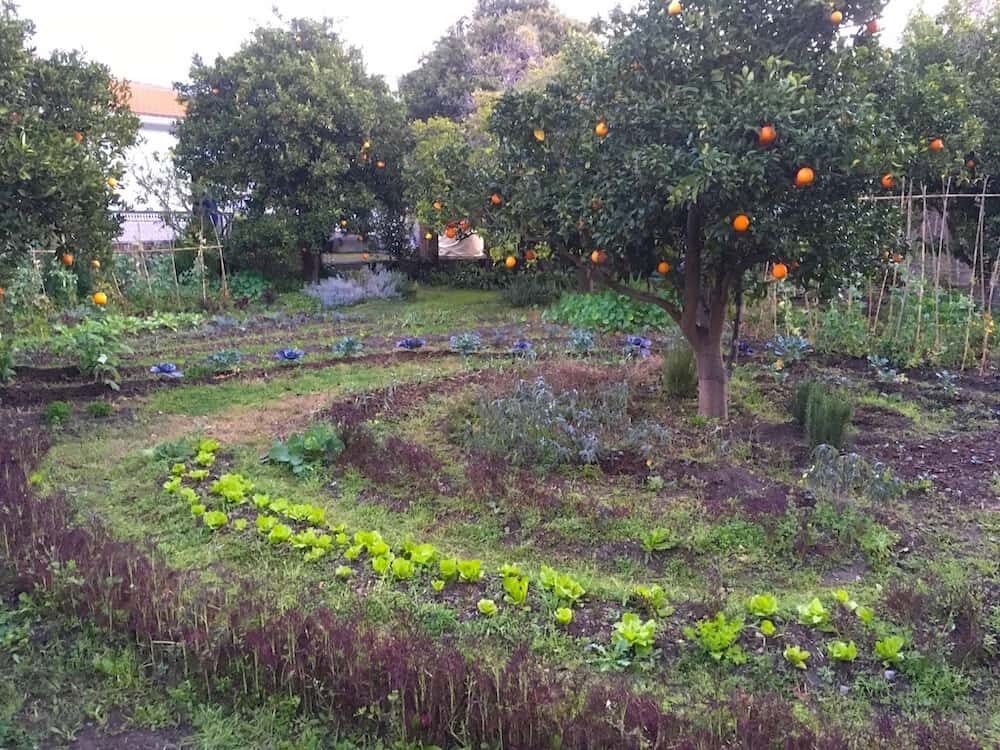
Ecologically, annuals contribute to biodiversity. They support various pollinators, which are critical for maintaining healthy ecosystems. By including a range of annual species, gardeners can create a habitat that attracts and sustains bees, butterflies, and other beneficial insects. This is crucial for areas where natural habitats are diminishing.
From a design perspective, annuals offer versatility in landscaping. They allow gardeners to change the color palette and design of their gardens annually, keeping outdoor spaces fresh and exciting. This flexibility is particularly appealing to home gardeners who enjoy seasonal changes in their garden aesthetics.
However, the lifecycle of annuals also raises some concerns, particularly regarding resource use. Since they need to be replanted each year, annuals may require more water and nutrients compared to perennials. To mitigate this, implementing efficient irrigation systems and learning from the common irrigation mistakes can help conserve resources.
In conclusion, the lifecycle of annuals matters significantly in today’s world for its adaptability, economic benefits, ecological contributions, and aesthetic flexibility. While they require careful resource management, the benefits they offer in terms of biodiversity and rapid adaptability make them an invaluable choice for many gardeners and farmers. By understanding and leveraging the unique advantages of annuals, you can make informed decisions that benefit both your garden and the environment.
Key Benefits of Implementing lifecycle of annuals
When embarking on the journey of gardening, understanding the lifecycle of annuals can be a game-changer for both novice and seasoned gardeners. Annual plants complete their entire lifecycle—from germination to seed production—within a single growing season, offering a unique set of advantages. These plants are particularly appealing to those looking to inject vibrant color and life into their gardens quickly. By grasping the numerous benefits of cultivating annuals, gardeners can make more informed decisions when choosing between perennial and annual planting.
One of the most compelling benefits of the lifecycle of annuals is their ability to provide immediate gratification. Unlike perennials, which may take several seasons to mature and bloom, annuals start flowering within weeks of planting. This rapid growth cycle allows gardeners to enjoy a burst of color and beauty without the wait. For those eager to see quick results, annuals are a perfect choice.
Moreover, annuals offer incredible variety and flexibility. Each year, gardeners can experiment with different species, colors, and arrangements, creating a dynamic and ever-changing landscape. This flexibility is particularly advantageous for those who enjoy experimenting with garden design or want to try their hand at DIY garden projects that enhance outdoor spaces. With annuals, you can tailor your garden to reflect current trends or your evolving tastes.
The Practical Benefits of Annuals
Not only do annuals provide aesthetic appeal, but they also offer practical benefits. Due to their short lifecycle, annuals can effectively suppress weeds by covering bare soil quickly. This dense growth limits the space available for weeds to take root, reducing the need for chemical weed control. Additionally, some annuals can improve soil health by adding organic matter as they decompose at the end of their lifecycle.
For gardeners concerned about the initial cost and labor of planting, annuals can be a more economical choice. Seeds for annuals are often less expensive than purchasing established perennial plants. Furthermore, the ease of sowing seeds directly into the soil saves both time and effort. For tips on optimizing your seedling care to ensure a successful crop, consider reading about common pitfalls to avoid: Warning: Ignoring These Seedling Care Tips Could Cost You 50% of Your Crop.
Annuals also play a crucial role in attracting pollinators. Many annual flowers are particularly attractive to bees, butterflies, and other beneficial insects, which are essential for a thriving garden ecosystem. By planting a variety of annuals, you can support local pollinator populations and enhance biodiversity in your garden.
In addition, the lifecycle of annuals allows for strategic garden planning. If your climate experiences harsh winter conditions, annuals can be planted in the spring to take full advantage of the growing season before the first frost. This adaptability ensures that your garden remains lush and productive, even in regions with shorter growing periods.
In conclusion, the lifecycle of annuals presents a multitude of benefits, from rapid growth and vibrant blooms to cost-effectiveness and ecological contributions. Whether you are seeking immediate visual impact, flexibility in design, or a boost to your garden’s ecosystem, annuals offer a versatile solution. Their unique characteristics make them an excellent choice for both beginners and experienced gardeners alike, ensuring that your garden remains a dynamic and fulfilling space throughout the growing season.
🥇 The Top-Rated Lifecycle Of Annuals That Never Disappoint


As an Amazon Associate, we earn from qualifying purchases. Prices and availability subject to change.
Practical Steps to Get Started with lifecycle of annuals
Embarking on the journey of understanding the lifecycle of annuals can transform your gardening approach, especially when deciding between perennial and annual planting. Annual plants complete their life cycle in just one growing season, offering gardeners a unique set of advantages and challenges. This rapid lifecycle makes annuals a popular choice for those looking to refresh their garden’s aesthetics each year. But how exactly do you get started with managing the lifecycle of annuals efficiently?
Firstly, it’s essential to understand the different stages of the lifecycle of annuals. These plants typically germinate, grow, bloom, produce seeds, and die all within one year. This swift cycle allows gardeners to experiment with a variety of colors and plant types each growing season. For instance, marigolds and zinnias are popular choices due to their vibrant hues and ease of growth.
When planning your garden, consider the climate and soil conditions that best support annuals. Most annuals thrive in warm weather and require well-draining soil. If you’re gardening in an urban environment, you might find these urban soil productivity hacks helpful for optimizing your soil. Additionally, starting seeds indoors can give your annuals a head start, ensuring a longer blooming period once transplanted outdoors.
Choosing the Right Annuals for Your Garden
While selecting annuals, think about their role in your garden’s ecosystem. Many annuals, like sunflowers and cosmos, attract pollinators, which are crucial for a healthy garden. However, be cautious of pollinator plant myths that could mislead your planting strategy. Consider integrating a mix of flowering and foliage annuals to create depth and interest.

Watering practices are vital for the lifecycle of annuals. Since these plants focus their energy on rapid growth and reproduction, they often require more frequent watering than perennials. However, overwatering can lead to root rot. Utilize a consistent watering schedule, ideally in the early morning, to keep the soil moist but not waterlogged.
Fertilization is another critical aspect. Annuals benefit from regular feeding due to their short lifespan and high nutrient demands. Applying a balanced, slow-release fertilizer can support healthy growth. For organic options, consider compost or well-aged manure as a nutrient source.
Finally, managing pests and diseases is crucial to maintain the health of your annuals. Regularly inspect your plants for signs of distress, such as discolored leaves or stunted growth. Implementing natural pest control methods can be effective and environmentally friendly. For example, introducing beneficial insects like ladybugs can help control aphid populations.
In conclusion, getting started with the lifecycle of annuals involves careful planning and attentive care. By understanding their rapid growth patterns, selecting suitable varieties, and maintaining optimal growing conditions, you can enjoy a vibrant and dynamic garden year after year. Whether you’re a seasoned gardener or a novice, mastering the lifecycle of annuals can enhance your gardening experience, providing both beauty and biodiversity to your outdoor space.
Common Mistakes to Avoid
When deciding between perennial and annual planting, understanding the lifecycle of annuals is crucial for making informed gardening choices. Annual plants complete their entire lifecycle—from germination to seed production—within a single growing season. This rapid growth cycle offers distinct advantages, but also presents unique challenges that gardeners must navigate carefully. Here, we explore common mistakes to avoid when implementing the lifecycle of annuals, ensuring your garden thrives throughout the season.
Firstly, timing is everything. Planting annuals too early or too late in the season can significantly impact their growth and flowering. Most annuals thrive in warm soil and air temperatures, so planting them after the last frost date is essential. Check local frost dates and soil temperature recommendations to avoid this common mistake, which can lead to poor germination and stunted growth.
Another frequent error is neglecting soil preparation. Annuals demand nutrient-rich, well-drained soil to support their rapid growth. Before planting, enrich your garden beds with organic matter such as compost or well-rotted manure. For those gardening in urban environments, consider these 5 shocking urban soil productivity hacks to enhance soil quality quickly.
Overcrowding and Water Mismanagement
Overcrowding is a mistake that many novice gardeners make. While it might be tempting to plant densely for a lush look, annuals need space to spread their roots and access sunlight. Follow recommended spacing guidelines for each plant species to prevent competition for resources, which can lead to weaker plants and reduced flowering.
Water management is another critical area where mistakes often occur. Annuals generally require consistent moisture, but overwatering can lead to root rot and disease. Conversely, underwatering can stress the plants, reducing their overall vigor. Implement a regular watering schedule, adjusting for rainfall and temperature changes. In semi-arid climates, efficient water use is crucial. Learn how composting in semi-arid climates can save you up to 50% on water use, providing a sustainable solution.
Failing to deadhead spent blooms is another oversight that can hinder the lifecycle of annuals. Deadheading, or removing faded flowers, encourages plants to produce more blooms instead of focusing energy on seed production. Regular maintenance ensures a prolonged flowering period, enhancing the garden’s aesthetic appeal.
Ignoring pest management can also sabotage your annual planting efforts. Annuals can attract a variety of pests, which, if left unchecked, can decimate your plants. Integrated pest management strategies, including the use of natural predators and organic treatments, can effectively control pest populations without harming the environment.
Finally, not planning for succession planting is a missed opportunity. As annuals complete their lifecycle, gaps can appear in your garden. Planning for staggered planting times ensures continuous color and interest throughout the season. Consider companion planting with perennials to maintain garden structure and reduce the need for constant replanting.
In summary, successful implementation of the lifecycle of annuals hinges on careful planning and maintenance. By avoiding common mistakes such as poor timing, inadequate soil preparation, overcrowding, mismanaged watering, and neglecting pest control, you can maximize the vibrant potential of annuals in your garden. With attention to detail and proactive strategies, annuals can bring stunning seasonal beauty to any landscape.
🏆 The Lifecycle Of Annuals Professionals Won’t Share

Fiskars Bypass Pruning Shears, 5/8-Inch Cut Capacity Garden Clippers, Gardening …
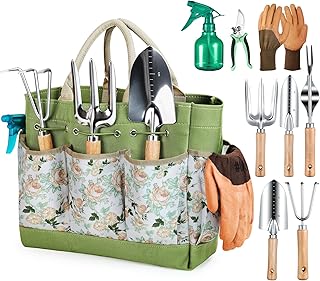
Gardening Tools 9-Piece Heavy Duty Garden Hand Tools with Fashion and Durable Ga…
As an Amazon Associate, we earn from qualifying purchases. Prices and availability subject to change.
Real-World Success Stories
In the debate between choosing perennial or annual planting, understanding the lifecycle of annuals can provide valuable insights that may sway your decision. Annuals, which complete their life cycle in a single growing season, offer unique advantages and challenges. Real-world success stories and case studies highlight how the lifecycle of annuals can be leveraged effectively in various gardening and farming contexts.
One compelling example comes from Lauren Craig of Ohio, USA, who transformed her home garden using annuals. She meticulously planned her garden to maximize the short lifecycle of annuals, selecting species that bloom quickly and provide vibrant colors throughout the season. This approach not only enhanced her garden’s aesthetic appeal but also ensured a consistent harvest of fresh produce. Her story is a testament to the power of understanding the lifecycle of annuals in creating a dynamic and productive garden space.
In semi-arid climates, the efficient use of water is crucial for successful gardening. The lifecycle of annuals aligns well with strategies aimed at conserving this precious resource. By choosing drought-resistant annuals, gardeners can achieve lush growth with minimal water use. A study on composting in semi-arid climates highlights how integrating compost with annual planting can reduce water usage by up to 50%. This method not only supports the environment but also results in cost savings for gardeners.
Annuals in Commercial Agriculture
Commercial farmers often rely on the lifecycle of annuals to maximize crop yields within a single growing season. For instance, planting annual corms has been shown to boost flower harvests by 68%. This statistic underscores the potential of annuals in commercial settings, where quick turnover and high productivity are paramount. Farmers can capitalize on this by strategically selecting annuals that thrive in their specific climate conditions and market demands.
Moreover, the lifecycle of annuals offers flexibility in crop rotation, an essential practice for maintaining soil health and reducing pest infestations. By alternating annual crops, farmers can prevent soil depletion and ensure long-term sustainability. This adaptability is crucial for farmers looking to maintain a balance between productivity and ecological responsibility.
For urban gardeners, the lifecycle of annuals provides an opportunity to experiment with different plant varieties without long-term commitment. This aspect is particularly appealing to beginners or those with limited space who want to explore various plants each season. By understanding the specific needs and growth patterns of annuals, urban gardeners can enjoy a diverse and thriving garden throughout the year.
However, annuals also present challenges, such as the need for replanting each season, which can be labor-intensive. To mitigate this, gardeners can implement efficient planting techniques and use high-quality tools to streamline the process. Exploring techniques to prolong the life of farm tools can lead to significant savings and reduced workload over time.
In conclusion, the lifecycle of annuals offers distinct advantages that can be harnessed in both personal and commercial gardening endeavors. Whether it’s achieving vibrant seasonal displays, conserving water, boosting commercial yields, or experimenting with urban gardening, annuals provide a versatile and rewarding option. By understanding and strategically utilizing the lifecycle of annuals, gardeners and farmers alike can optimize their planting strategies to meet their specific goals and conditions.
Future Trends and Innovations
When contemplating the green tapestry of your garden, understanding the lifecycle of annuals is crucial for making informed decisions about planting. Annuals are often celebrated for their vibrant colors and rapid growth, but as we look to the future, it’s essential to explore the trends and innovations shaping their lifecycle. This exploration not only enriches our gardens but also aligns with broader environmental goals.
In recent years, advances in plant genetics have revolutionized the lifecycle of annuals. Scientists are developing hybrid varieties that bloom longer and require less water, making them more sustainable in the face of climate change. These innovations are particularly significant for urban gardeners who need resilient plants that thrive in smaller spaces. Additionally, these new strains often boast enhanced resistance to pests, reducing the need for chemical interventions.
Moreover, the rise of smart gardening technology is transforming how we cultivate annuals. Automated watering systems and soil sensors ensure that plants receive precisely the right amount of moisture and nutrients. For instance, smart sprinklers can be programmed to water annuals at optimal times, conserving water while maximizing plant health. This technology is a game-changer for those looking to maintain lush, blooming gardens with minimal effort.
Embracing Eco-Friendly Practices
As gardeners grow increasingly eco-conscious, integrating sustainable practices into the lifecycle of annuals is paramount. Many are turning to organic methods to nurture their plants without relying on synthetic fertilizers or pesticides. For example, companion planting and natural pest deterrents are gaining popularity as effective ways to support annuals. This movement not only protects the environment but also yields healthier plants, as discussed in 7 Organic Growers Mistakes Sabotaging Your Eco-Friendly Goals.
Furthermore, community initiatives and educational programs are playing a vital role in promoting awareness about the lifecycle of annuals. Workshops and online courses teach gardeners about soil health, composting, and other sustainable practices. By equipping individuals with this knowledge, these initiatives empower communities to create thriving gardens that reflect local ecosystems.
Interestingly, the concept of action thresholds is gaining traction among gardeners who want to manage pests without harming beneficial insects. By understanding these thresholds, gardeners can make informed decisions about when intervention is necessary. As detailed in Breakthrough: Action Thresholds Can Save Your Garden in 30 Days, this approach minimizes environmental impact while maintaining vibrant annual displays.
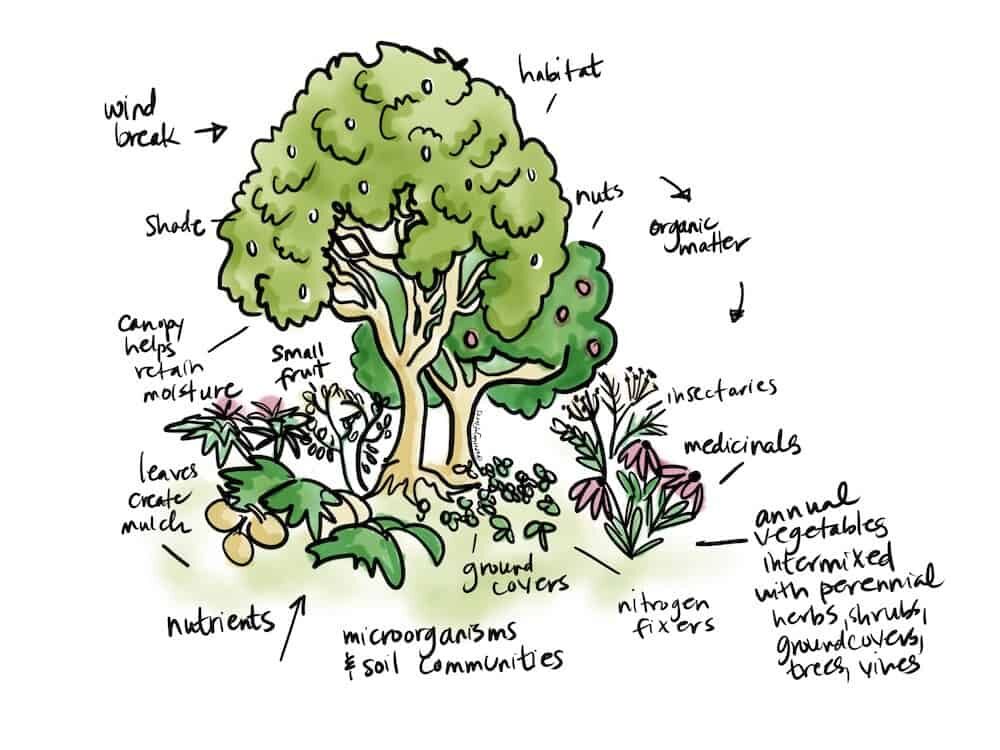
Another exciting development is the exploration of permaculture principles in the lifecycle of annuals. By designing gardens that mimic natural ecosystems, annuals can coexist harmoniously with perennials and other plant types. This method not only enhances biodiversity but also optimizes resource use, creating more resilient and self-sustaining gardens.
In conclusion, the future of gardening with annuals is bright and full of potential. By embracing genetic advancements, smart technology, and sustainable practices, we can cultivate annuals that are both beautiful and environmentally responsible. Whether you’re an experienced gardener or a curious novice, staying informed about these trends will enable you to make the best choices for your garden’s unique needs. As the gardening landscape evolves, so too does the lifecycle of annuals, inviting us to innovate and adapt alongside nature.
Looking for products related to this topic?
Conclusion: Your Next Steps
In conclusion, choosing between perennial and annual planting hinges on understanding your gardening goals and the lifecycle of annuals. Annuals offer a unique opportunity to experiment with vibrant colors and textures each year, as they complete their lifecycle in a single growing season. This allows gardeners to refresh their landscapes annually, bringing new visions to life with each planting season. Embrace the versatility of annuals if you crave a dynamic and ever-changing garden palette.
Moreover, annuals are perfect if you want to make a bold statement or fill in gaps quickly, as they tend to bloom profusely, delivering instant gratification. They are also ideal for those who enjoy the process of planting as much as the outcome, with the seasonal renewal offering a rewarding challenge. Remember, the choice between perennials and annuals doesn’t have to be exclusive; integrating both can create a garden that thrives all year.
Now is the time to envision your dream garden and take action. Head to your local nursery, explore online resources, or consult with fellow enthusiasts to plan your next planting project. Don’t let another season slip by without experiencing the joy and satisfaction that comes with cultivating your own floral haven. The garden of your dreams awaits—seize the moment and start planting today!
From Our Network
GreenChoice Affiliates — Eco-friendly product reviews for sustainable living
FarmsFlo — Free farm management app for planting schedules, harvests, and operations
BoingyBooks — Publish and discover ebooks, interactive read-alongs, and audiobooks
Leave a Reply
You must be logged in to post a comment.