

This post may contain affiliate links. If you make a purchase through these links, we may earn a small commission at no extra cost to you. Learn more.
Introduction to Latest Techniques in Beekeeping & Honey Production
Have you ever wondered how bees, those tiny architects of nature, can teach us so much about sustainability and innovation? As the world becomes more attuned to eco-friendly practices, the art of beekeeping has undergone a remarkable transformation. This isn’t just about tending to hives anymore—it’s about embracing cutting-edge techniques that maximize efficiency and boost honey production while ensuring the health and vitality of bee populations. Whether you’re a seasoned beekeeper or a curious newcomer, understanding these latest advancements can mean the difference between a modest yield and a thriving honey harvest. In this post, we’ll explore the most recent breakthroughs in hive management, delve into sustainable practices, and uncover the secrets to producing high-quality honey that can set your apiary apart. Join us as we journey into the buzzing world of modern beekeeping and discover how these innovative techniques can revolutionize your honey-making endeavors.
Understanding honey production: The Fundamentals
In recent years, the art of honey production has seen remarkable advancements, driven by both traditional wisdom and modern innovations. As beekeepers strive to meet the growing demand for honey, understanding the fundamentals of honey production becomes essential. This complex process involves not just the bees themselves but also the environment, beekeeping practices, and careful management. By delving into the basics of honey production, we can explore the latest techniques that enhance both yield and sustainability.
At the heart of honey production lies the humble honeybee, a creature whose sophisticated communication and foraging skills create nature’s golden delight. Honeybees collect nectar from flowers, which they then transform into honey through a series of enzymatic actions within their hives. This natural process has been perfected over millions of years, yet modern beekeeping techniques can significantly impact the efficiency and quality of honey production.
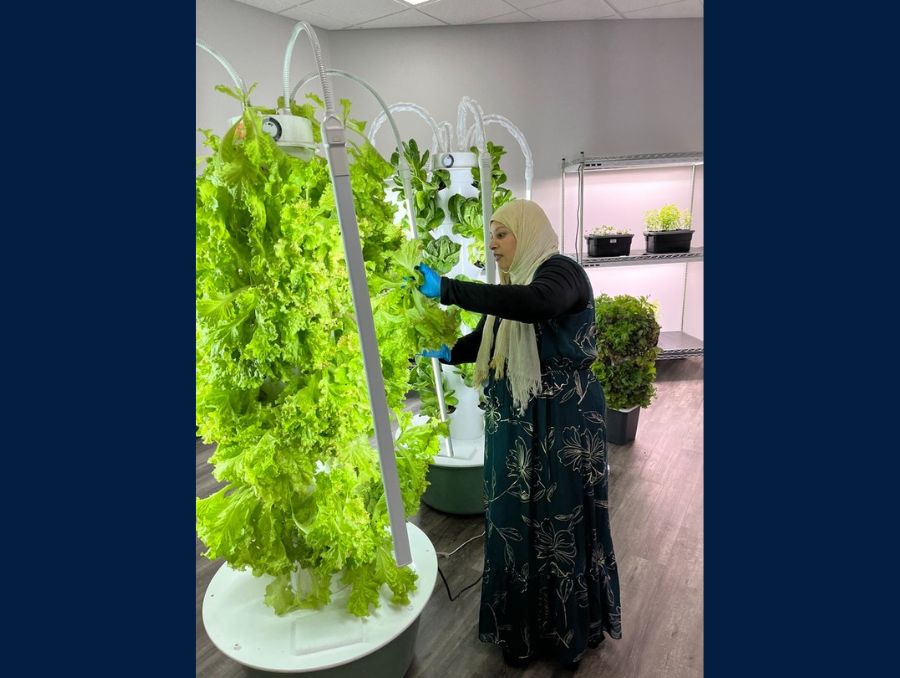
Environmental factors play a crucial role in honey production. Beekeepers need to be mindful of the local flora, climate, and seasonal changes that affect nectar availability. For instance, in regions with diverse plant species, bees can produce a variety of honey types, each with unique flavors and properties. It’s important for beekeepers to plan their hive locations strategically to maximize access to flowering plants throughout the year.
The Role of Technology in Modern Beekeeping
Technology has begun to revolutionize honey production. Innovative tools such as electronic hive monitors provide real-time data on hive conditions, helping beekeepers make informed decisions. These devices track temperature, humidity, and hive weight, offering insights into colony health and productivity. Additionally, automated honey extractors streamline the harvesting process, reducing labor while preserving honey quality.
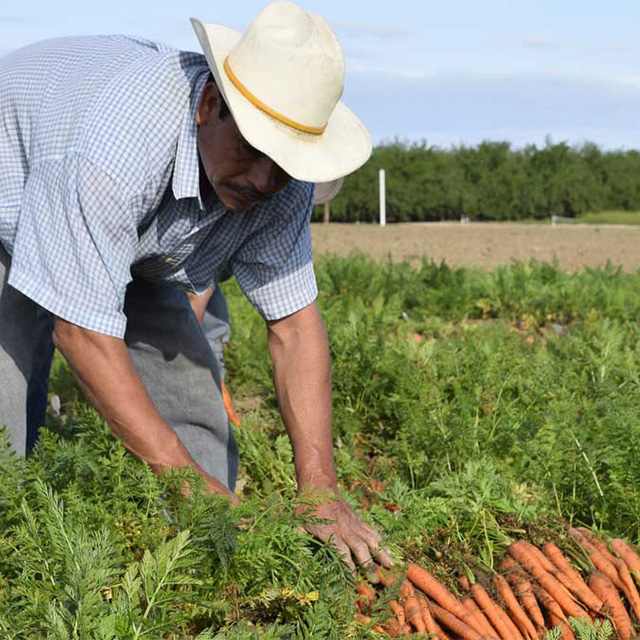
Effective colony management is another critical aspect of honey production. Beekeepers must ensure their hives are healthy and disease-free. Regular inspections help identify issues such as pests or diseases that could compromise honey yield. Implementing integrated pest management (IPM) techniques can protect bees without harmful chemicals, promoting sustainable practices.
Nutrition is another key factor that influences honey production. Providing supplementary feeding during nectar dearth periods can help maintain colony strength. Beekeepers might offer sugar syrup or pollen substitutes to support their hives, ensuring bees have the necessary resources to thrive even when natural food sources are limited.
Community education and engagement are vital for sustainable honey production. By sharing knowledge and resources, beekeepers can adopt best practices and innovations from around the world. For example, attending conferences such as those mentioned by the University of Nevada can provide invaluable insights and networking opportunities for beekeepers.
In conclusion, understanding the fundamentals of honey production is essential for both novice and experienced beekeepers. By integrating technology, strategic environmental planning, and effective management practices, beekeepers can enhance honey production sustainably. As the industry evolves, staying informed and adaptable will be key to success. For more insights into sustainable farming practices, consider exploring topics like soil health, which can indirectly affect honey production through plant vitality.
🌱 Essential Honey Production Every Beginner Needs (But Nobody Tells You)
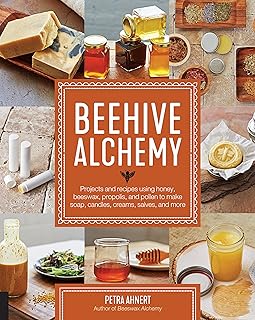
Beehive Alchemy: Projects and recipes using honey, beeswax, propolis, and pollen…

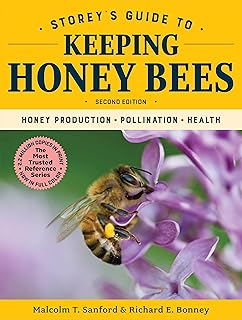
As an Amazon Associate, we earn from qualifying purchases. Prices and availability subject to change.
Why honey production Matters in Today’s World
In the modern world, honey production plays a crucial role not only in agriculture but also in supporting global ecosystems. This age-old practice is more relevant today than ever before, contributing significantly to ecological balance, economic development, and public health. As we explore the latest techniques in beekeeping and honey production, it’s essential to understand why this sector matters so much in today’s context.
Firstly, honey production is vital for pollination, which is essential for the reproduction of many plant species. Bees, primarily honeybees, are responsible for pollinating about one-third of the food crops we consume, including fruits, vegetables, and nuts. Without honeybees, the diversity and availability of these foods would diminish, leading to significant impacts on food security.
The economic benefits of honey production are also noteworthy. Beekeeping and honey production support livelihoods around the globe, offering a source of income for small-scale farmers and large-scale agricultural businesses alike. According to the University of Nevada, honey production is a multi-billion-dollar industry that continues to grow, driven by increasing demand for natural and organic products.
The Environmental Impact of Honey Production
Environmentally, honey production promotes biodiversity and sustainability. Bees help in maintaining healthy ecosystems, which is crucial for the survival of various plant and animal species. Techniques like sustainable beekeeping, as outlined by Stockton University, emphasize the importance of preserving natural habitats and reducing carbon footprints, which aligns with broader sustainability goals.

Furthermore, honey itself is a nutritional powerhouse, rich in antioxidants, vitamins, and minerals. It serves as a natural sweetener and has been linked to numerous health benefits, including improved digestion and wound healing. As a result, honey production supports not just the food industry but also the health and wellness sectors.
In addition to these benefits, honey production fosters community engagement and education. Beekeeping courses, like those offered by Arizona University, empower individuals with knowledge and skills to contribute to bee conservation efforts. This community involvement is crucial for raising awareness about the challenges bees face, such as habitat loss and climate change.
Challenges do exist, however, and they include climate change, pesticide use, and diseases that threaten bee populations. Addressing these requires innovative solutions and collaborative efforts. For example, integrating beekeeping with sustainable farming practices can enhance both crop yields and bee health, as discussed in the article on fall planting dates.
In conclusion, honey production is an indispensable part of our world today, offering ecological, economic, and health benefits. By adopting the latest techniques in beekeeping, we can ensure the sustainability of this practice for future generations. As we continue to innovate and adapt, the positive impacts of honey production will undoubtedly expand, supporting a more sustainable and thriving planet.
Key Benefits of Implementing honey production
Honey production is more than just a sweet reward for beekeepers; it is a vital aspect of sustainable agriculture that offers numerous benefits. As the latest techniques in beekeeping evolve, the advantages of implementing honey production become increasingly apparent. From ecological contributions to economic opportunities, honey production plays a significant role in both local and global contexts.
One of the primary benefits of honey production is its positive impact on biodiversity. Bees are essential pollinators, and their activity supports the growth of a wide range of plants, which in turn sustains various animal species. According to the University of Nevada, proper management of honeybee populations can enhance the diversity and abundance of flora in agricultural environments. This not only benefits the ecosystem but also improves crop yields significantly.

Economically, honey production can be a lucrative venture for those involved in agriculture. The global honey market continues to grow, with demand for organic and local honey rising steadily. Beekeepers can capitalize on this trend by adopting innovative techniques that increase honey yields, as evidenced by studies like The Great Sunflower Project, which reported a 64% boost in honey yields through strategic planting.
From a sustainability perspective, honey production aligns well with eco-friendly farming practices. Bees contribute to soil health by promoting plant growth, which prevents erosion and enhances soil fertility. For instance, integrating beekeeping with other sustainable farming methods can prevent the pitfalls highlighted in articles like this warning about unsustainable farming practices.

Enhancing Agricultural Productivity Through Honey Production
Furthermore, honey production supports local economies by creating jobs and encouraging small business growth. Beekeeping can be an accessible entry point into agriculture for individuals and communities, offering opportunities for entrepreneurship and economic diversification. According to Stockton University’s sustainability programs, integrating honey production into local economies can lead to resilient agricultural systems.
The health benefits of honey are another compelling reason to invest in its production. Honey is a natural sweetener with antibacterial properties, making it a popular choice for consumers seeking healthier alternatives to sugar. By producing honey locally, beekeepers can meet the rising consumer demand for organic and natural products, enhancing their market competitiveness.
Moreover, honey production fosters education and community engagement. Beekeeping classes, such as those offered by the University of Arizona, educate individuals about the importance of bees and sustainable practices. This knowledge dissemination helps raise awareness about environmental conservation and encourages more people to participate in beekeeping activities.
In conclusion, the key benefits of implementing honey production extend far beyond the hive. It supports biodiversity, boosts local economies, promotes sustainable agricultural practices, and offers health benefits to consumers. As beekeepers adopt the latest techniques in honey production, they not only increase their yields but also contribute positively to the environment and society. Embracing these benefits ensures that honey production remains a vital component of sustainable agriculture.
🥇 The Top-Rated Honey Production That Never Disappoint
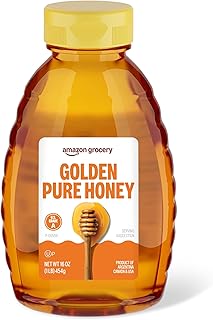

As an Amazon Associate, we earn from qualifying purchases. Prices and availability subject to change.
Practical Steps to Get Started with honey production
Getting started with honey production can be a rewarding venture that combines sustainable agriculture with the joy of managing your own beehive. As honey production gains popularity, many aspiring beekeepers are eager to learn the latest techniques that can make their efforts successful. Whether you’re new to beekeeping or looking to refine your methods, following a few practical steps can set you on the right path.
First, choosing the right location for your beehive is crucial. Bees require a sunny spot with good air circulation and protection from strong winds. Ideally, the hive should be located near a water source, as bees need water to regulate the temperature of the hive and to dilute the honey. For those concerned about water management on their property, understanding water infiltration can prevent potential issues.
Secondly, selecting the right bee species is vital. Common species like the Italian honeybee and the Carniolan honeybee are known for their gentle nature and high honey production capabilities. Beginners may find these species easy to manage, and they’re well-suited to various climates, making them a popular choice among novice beekeepers.
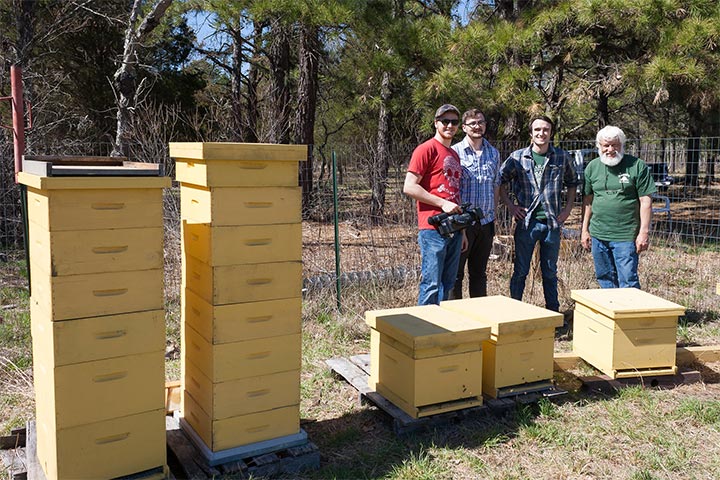
Equipping yourself with the proper tools and protective gear is another essential step. A bee suit, gloves, smoker, and hive tool are basic necessities. Investing in quality equipment can enhance your efficiency and safety while handling the bees. Additionally, regular maintenance of these tools ensures their longevity and effectiveness.
Understanding Bee Behavior and Hive Management
Knowledge of bee behavior and hive management is critical for successful honey production. Bees communicate and operate within a structured colony, and understanding their behaviors helps in predicting and managing hive dynamics. Regular hive inspections allow you to monitor the health of the colony, identify any issues early, and take corrective action as needed.
Moreover, joining a local beekeeping association can provide valuable support and resources. These organizations often offer workshops, networking opportunities, and mentorship programs. Learning from experienced beekeepers can help you avoid common pitfalls and improve your honey production techniques.

As you embark on your honey production journey, consider integrating sustainable practices. This includes planting bee-friendly flora and minimizing pesticide use. Sustainable practices not only support bee health but also enhance the quality and quantity of honey produced. For more insights on sustainable agriculture, explore resources from Stockton University’s agroecology program.
Finally, marketing your honey effectively can turn your hobby into a profitable endeavor. Engaging with local farmers’ markets or participating in community events can boost visibility and sales. The success of such initiatives is evident in how weekly farmers markets have significantly enhanced agricultural productivity.
In conclusion, starting with honey production requires careful planning, commitment, and a willingness to learn. By choosing the right location and bee species, using appropriate tools, understanding bee behavior, and adopting sustainable practices, you can successfully manage your hive and enjoy the sweet rewards of honey production. Remember, continuous learning and adapting to new techniques will enhance your beekeeping experience and contribute to thriving honey production.
Common Mistakes to Avoid
Implementing honey production can be a rewarding venture, but it is fraught with potential pitfalls that can hinder success. Understanding these common mistakes is crucial for both novice and experienced beekeepers looking to optimize their honey yields. By avoiding these errors, you can ensure a more productive and sustainable beekeeping operation.
One of the most prevalent mistakes in honey production is neglecting the importance of hive placement. Bees require a suitable environment to thrive, which includes access to diverse flora and a water source. Placing hives in areas with limited resources can lead to decreased honey yields. According to University of Nevada’s agricultural reports, strategic hive placement significantly boosts productivity by providing bees with optimal foraging opportunities.
Another common error is inadequate hive management. Regular inspections are vital to prevent infestations and diseases that can devastate bee colonies. Beekeepers should be vigilant about signs of pests like Varroa mites, which can weaken bees and reduce honey production. Utilizing resources like Arizona’s comprehensive beekeeping classes can provide valuable insights into effective hive management techniques.
Failing to Adapt to Seasonal Changes
Adjusting hive management practices to align with seasonal changes is essential. In colder months, bees require sufficient food stores to survive, while spring and summer demand increased attention to swarm control and colony expansion. Overlooking these seasonal adjustments can lead to weakened colonies and reduced honey harvests, as emphasized in University of Florida’s publication on beekeeping.
Moreover, using outdated beekeeping techniques can hamper honey production. Modern advancements, such as integrated pest management and innovative hive designs, offer more efficient ways to maintain healthy bee populations. To stay informed about the latest techniques, exploring secure and credible websites like Rude Insect’s advisory on advanced methods is beneficial.
Inadequate record-keeping is another oversight that can impact honey production. Detailed records of hive performance, weather conditions, and pest control measures are invaluable for identifying trends and making informed decisions. As highlighted in Stockton University’s agroecology studies, data-driven approaches are crucial in sustainable agriculture practices.
Finally, ignoring local market dynamics can result in missed opportunities for honey sales. Understanding consumer preferences and catering to local demands can enhance profitability. Resources like Rude Insect’s insights on local markets offer strategies to effectively market your honey products.
In conclusion, successful honey production requires careful attention to hive placement, management, adaptation to seasonal changes, and the adoption of modern techniques. Avoiding these common mistakes not only enhances yield but also contributes to a thriving beekeeping practice. By staying informed and proactive, beekeepers can navigate the challenges of honey production and achieve sustainable success.
💎 Premium Honey Production Worth Every Penny
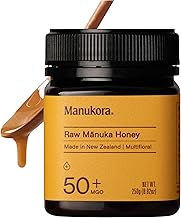


As an Amazon Associate, we earn from qualifying purchases. Prices and availability subject to change.
Real-World Success Stories
In recent years, honey production has seen a remarkable evolution, primarily driven by innovative techniques and sustainable practices. Beekeepers worldwide have adopted modern methods that not only enhance honey yield but also promote ecological balance. By exploring real-world success stories and case studies of honey production, we can gain valuable insights into the latest trends and best practices in the field.
One notable example is the use of integrated pest management (IPM) strategies in honey production. Beekeepers in Florida have successfully reduced the impact of Varroa destructor mites—one of the most significant threats to bee colonies—by implementing IPM. This approach combines biological control, cultural techniques, and selective chemical use, leading to healthier hives and increased honey yields.
Moreover, the adoption of agroecology principles has transformed honey production in various regions. According to a report by Stockton University’s Agroecology program, integrating bees into diversified farming systems has enhanced both pollination and honey output. Farmers and beekeepers collaborate to create polyculture environments, which not only boost crop yields but also ensure a steady supply of nectar throughout the season.

Innovative Hive Designs and Technology
Technological advancements have also played a critical role in modern honey production. Beekeepers in Australia have pioneered the use of Flow Hives, which allow honey to be harvested without disturbing the bees. This innovation not only streamlines the extraction process but also reduces the stress on colonies, leading to higher productivity and sustainability.
Furthermore, IoT (Internet of Things) technology has revolutionized hive monitoring. Smart hives equipped with sensors provide real-time data on temperature, humidity, and hive activity. This information enables beekeepers to make informed decisions, optimizing hive conditions and enhancing honey production efficiency.
Community-driven initiatives have shown promising results in enhancing honey production as well. In Kenya, beekeeping cooperatives empower small-scale farmers by providing training and resources. These cooperatives have significantly improved the quality and quantity of honey produced, boosting local economies and supporting biodiversity.

Beekeepers have also turned to sustainable practices to support honey production. By planting perennials in landscapes, they create a continuous forage source for bees, which helps maintain colony health and increase honey yield. For more on the benefits of perennials, consider reading about perennials vs annuals.
Finally, addressing the concerns about biodiversity’s impact on agricultural yields, it’s important to recognize the balance between conservation and productivity. A detailed discussion on this topic can be found in the article Biodiversity Practices Might Be Sabotaging Farm Yields, which highlights the importance of strategic biodiversity management in honey production.
In conclusion, exploring real-world success stories and case studies reveals that innovation and sustainability are key drivers in the advancement of honey production. From integrated pest management to cutting-edge technology, these practices not only enhance productivity but also contribute to ecological sustainability. By adopting these techniques, beekeepers can continue to thrive in an ever-evolving agricultural landscape.
Future Trends and Innovations
The world of honey production is buzzing with innovation as beekeepers and scientists alike push the boundaries of traditional practices. As we look to the future, several emerging trends and technologies are set to revolutionize the industry. From urban beekeeping to advanced hive technologies, honey production is poised to become more sustainable and efficient. This transformation is not just about maximizing yields; it’s about creating a harmonious relationship between bees and their environments.
In recent years, urban beekeeping has gained significant traction, providing a unique solution to declining bee populations. Rooftop hives are becoming increasingly common in cities worldwide, offering bees a rich tapestry of urban flora. According to a study on rooftop food production, such initiatives can reduce waste by up to 60% in urban areas, contributing to a healthier ecosystem. By incorporating bees into city landscapes, urban beekeeping not only supports honey production but also promotes biodiversity.

Technology is another powerful ally in the evolution of honey production. Innovative hive designs equipped with sensors and IoT devices are emerging, providing beekeepers with real-time data on hive health and honey yields. These smart hives allow for precise monitoring and management, reducing the risk of colony collapse. Additionally, automated extraction processes are being developed, minimizing the disturbance to bees during honey collection.
The Role of Sustainability in Honey Production
Sustainability is at the forefront of future trends in honey production. Beekeepers are increasingly adopting organic practices, avoiding synthetic chemicals to protect bee health and ensure high-quality honey. According to the University of Nevada, sustainable beekeeping methods are crucial for long-term ecological balance. By prioritizing natural approaches, beekeepers can enhance the resilience of their colonies.

Furthermore, community-supported agriculture (CSA) models are being applied to honey production. This approach allows consumers to directly support beekeepers by investing in their hives. In return, they receive a share of the honey harvest. This model not only fosters a closer connection between producers and consumers but also ensures financial stability for beekeepers, enabling them to invest in sustainable practices.
Climate change poses a significant challenge to honey production, with shifting weather patterns affecting bee behavior and plant flowering times. To combat this, researchers are exploring climate-resilient bee species and adaptive hive management strategies. The University of Arizona emphasizes the importance of climate adaptation in beekeeping education, preparing future generations for these challenges.
Finally, awareness and education play vital roles in the future of honey production. By educating communities about the importance of bees and sustainable practices, we can foster a collective effort to protect these crucial pollinators. Workshops, online courses, and community events are some ways beekeepers are spreading knowledge and inspiring action.
In conclusion, the future of honey production is set to be shaped by a blend of technology, sustainability, and community engagement. As these trends continue to evolve, they promise to enhance both the productivity and ecological harmony of beekeeping practices. By embracing these innovations, we can ensure a thriving future for bees and the environments they inhabit. For more insights into the impact of agriculture on ecosystems, consider exploring whether gardens and urban agriculture are harming butterflies.
Looking for products related to this topic?
Conclusion: Your Next Steps
In the dynamic world of beekeeping, the latest techniques are transforming honey production into a more efficient and sustainable practice. Embracing innovative hive designs not only enhances bee health but also boosts honey yield. Integrated pest management, which prioritizes natural methods over chemicals, is proving crucial in maintaining colonies free of harmful pests. Additionally, advances in real-time monitoring technology allow beekeepers to make informed decisions, optimizing both the health of their bees and the quality of their honey.
These advancements are not just about improving efficiency; they are about creating a future where honey production is sustainable and environmentally friendly. By adopting these techniques, beekeepers can ensure that their practices contribute to a healthier ecosystem, benefiting both humans and the planet.
The time to act is now. Whether you’re a seasoned beekeeper or just starting out, implementing these strategies can significantly enhance your honey production and make a positive impact on the environment. Don’t wait for the future to unfold—be a part of shaping it. Start integrating these latest techniques in your beekeeping practices today and be at the forefront of a movement towards sustainable honey production. Your actions today will lay the foundation for a thriving tomorrow.
From Our Network
GreenChoice Affiliates — Eco-friendly product reviews for sustainable living
FarmsFlo — Free farm management app for planting schedules, harvests, and operations
BoingyBooks — Publish and discover ebooks, interactive read-alongs, and audiobooks
Leave a Reply
You must be logged in to post a comment.