

This post may contain affiliate links. If you make a purchase through these links, we may earn a small commission at no extra cost to you. Learn more.
Introduction to Latest Techniques in Butterfly Pollinator
Have you ever wondered what the world would look like without the vibrant dance of butterflies flitting from flower to flower? In the urgent quest for pollinator conservation, scientists and enthusiasts alike are delving into groundbreaking techniques to ensure these delicate creatures continue their essential role in our ecosystems. As urbanization and climate change threaten their habitats, the need for innovative solutions has never been more pressing. By harnessing technology and community-driven initiatives, we can transform our gardens into bustling havens for these vital pollinators. In this post, we’ll explore the latest techniques that not only protect but also enhance butterfly populations, from sophisticated tracking systems to creating pollinator-friendly spaces. Join us as we uncover how you can be part of this vital endeavor and make a tangible impact on sustaining the future of our planet’s biodiversity.
Understanding pollinator conservation: The Fundamentals
Pollinator conservation is an essential component of maintaining biodiversity and ensuring the survival of ecosystems worldwide. In recent years, butterflies have emerged as key players in pollination, offering vital support to both wild and cultivated plants. As we delve into the latest techniques in butterfly pollinator conservation, it’s crucial to understand the basics that underpin these efforts and explore innovative strategies enhancing their impact.
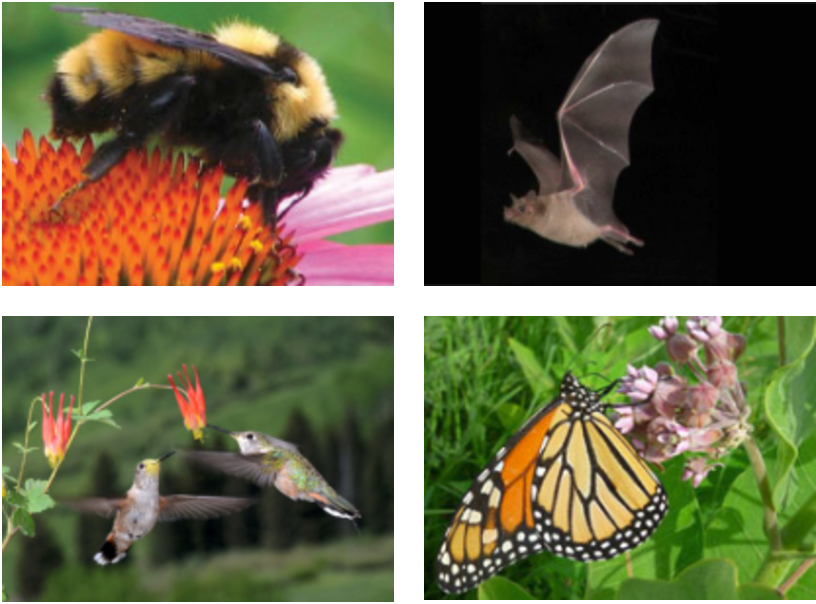
Butterflies, with their vivid colors and delicate wings, are more than just beautiful creatures; they are vital pollinators. Unlike bees, butterflies tend to visit a wider variety of flowers, aiding in cross-pollination. This behavior is crucial for maintaining genetic diversity in plant populations. According to the USDA, pollinators like butterflies are responsible for one out of every three bites of food we consume, highlighting their importance in agriculture and food security.
Creating and maintaining butterfly habitats is a fundamental aspect of pollinator conservation. Urban gardens and green spaces play a pivotal role in this endeavor. For instance, the city of Raleigh has implemented urban garden initiatives to support local pollinator populations (source). These gardens provide nectar sources and breeding grounds, crucial for sustaining butterfly communities.
Innovative Techniques in Butterfly Conservation
One emerging technique in butterfly conservation is the use of companion planting. By strategically planting specific plants together, gardeners can create environments that naturally attract butterflies. This technique not only supports pollinators but can also help in reducing pest populations, as demonstrated in companion planting strategies (source). By choosing the right plant combinations, gardeners can create a thriving ecosystem that benefits both plants and pollinators.

Education and community involvement are also critical to successful pollinator conservation efforts. Programs that engage local communities in planting and maintaining pollinator-friendly gardens have proven effective. The Washington State Conservation Commission highlights the importance of community-based conservation programs in raising awareness and fostering stewardship among residents.
Furthermore, the use of technology in monitoring butterfly populations provides valuable data for conservationists. Apps and online platforms allow citizen scientists to record butterfly sightings, contributing to large-scale data collection. This information helps track population trends and informs conservation strategies.
Enhancing butterfly habitats can also be achieved through sustainable gardening practices. By reducing the use of pesticides and opting for organic alternatives, gardeners can create safer environments for butterflies. This shift towards sustainability is echoed in the growing interest in sustainable flower arranging and design techniques (source), which align with broader conservation goals.
In conclusion, understanding the fundamentals of pollinator conservation is key to developing effective strategies for butterfly conservation. By fostering habitats, engaging communities, and employing innovative techniques, we can support these vital pollinators. As we continue to explore and implement these strategies, the role of butterflies as pollinators will remain crucial in preserving the health and diversity of our ecosystems.
Why pollinator conservation Matters in Today’s World
In today’s fast-paced world, the importance of pollinator conservation cannot be overstated. These vital creatures, such as butterflies, bees, and other insects, are integral to our ecosystem, ensuring the reproduction of many plant species. Without them, the food chain could collapse, leading to dire consequences for biodiversity and human survival. As we delve into the latest techniques in butterfly pollinator conservation, understanding their significance is crucial for both ecological balance and agricultural productivity.
Pollinators play a critical role in agriculture, supporting the production of fruits, vegetables, and nuts. According to the USDA, one out of every three bites of food we consume is due to the work of pollinators. With the global population on the rise, ensuring food security becomes a pressing concern. By promoting pollinator conservation, we can enhance crop yields and sustain agricultural outputs. For instance, techniques such as soilless farming techniques have shown to boost yields by up to 300%, highlighting innovative approaches to support these essential creatures.
Beyond agriculture, pollinators are fundamental to maintaining biodiversity. They contribute to the reproduction of wild plants, which in turn support wildlife. The decline in pollinator populations, driven by habitat loss, pesticides, and climate change, threatens this intricate web of life. Efforts to restore habitats, such as urban gardens and community spaces, have become pivotal. Cities like Raleigh, with their urban garden initiatives, demonstrate how local actions can make a global impact.
The Economic Impact of Pollinator Conservation
Pollinator conservation is not just an ecological concern; it has significant economic implications. The pollination services provided by insects are estimated to be worth billions of dollars annually. By investing in conservation efforts, we not only protect these services but also support the livelihoods of farmers and local communities. The creation of pollinator-friendly environments, such as those advocated by the Xerces Society, can lead to thriving ecosystems and robust local economies.

Moreover, educational programs and community involvement are essential in raising awareness about the benefits of pollinator conservation. Workshops and initiatives, like planting native flowers to attract butterflies, empower citizens to contribute to conservation efforts. These activities can be integrated into urban planning, enhancing city greens and creating sustainable, beautiful spaces. Learn more about how products used in urban farming can revolutionize city greens in this insightful article.
Despite the clear benefits, misconceptions about pollinators persist. Many people are unaware of the subtle yet profound impact these creatures have on our daily lives. Addressing these misconceptions through education and outreach can foster a greater appreciation for pollinators and their conservation. Engaging storytelling and visual aids can make complex concepts accessible, inspiring action among diverse audiences.
Finally, international cooperation is vital for effective pollinator conservation. Biodiversity knows no borders, and neither do the challenges facing pollinators. Collaborative efforts across nations can lead to improved policies and shared strategies to protect these essential creatures. By working together, we can ensure a sustainable future for pollinators and, ultimately, ourselves.
In conclusion, pollinator conservation holds profound significance in today’s world, touching upon agriculture, biodiversity, and economic stability. Through innovative techniques, community involvement, and international collaboration, we can safeguard these indispensable creatures. As we continue to develop and implement effective strategies, our commitment to pollinator conservation will shape a healthier, more resilient planet.
Key Benefits of Implementing pollinator conservation
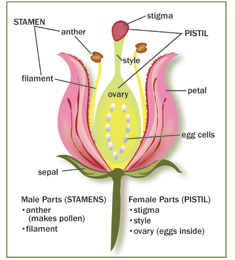
Implementing pollinator conservation strategies offers numerous advantages for biodiversity, agriculture, and urban environments. As pollinators like butterflies are essential for the fertilization of many plants, their conservation is crucial to maintaining ecological balance. The benefits extend beyond the immediate environment and have significant implications for food production, ecosystem resilience, and community engagement.
Firstly, pollinator conservation enhances biodiversity by supporting the life cycles of various plant and animal species. When we protect pollinators, we ensure the survival of numerous plant species that rely on them for reproduction. This, in turn, provides food and habitat for other wildlife, creating a thriving ecosystem. For example, the People’s Garden initiative by the USDA highlights the importance of pollinators in sustaining plant diversity, which is vital for healthy ecosystems (source).
Moreover, pollinator conservation is critical for agriculture. Pollinators like butterflies play a pivotal role in the production of crops such as fruits, vegetables, and nuts. According to Pollinator Partnership, a significant portion of our food supply depends on pollinators (source). By conserving these creatures, farmers can improve crop yields and quality, leading to more stable food supplies and economic benefits.
Urban areas also gain from pollinator conservation efforts. Cities implementing green spaces and community gardens can attract butterflies and other pollinators, enhancing urban biodiversity. In Raleigh, initiatives to create urban gardens have shown success in improving local ecosystems and providing educational opportunities for residents (source).
Community Involvement and Education
Community involvement is another crucial benefit. Conservation projects often engage local communities, fostering a sense of stewardship and environmental responsibility. In the Bronx, community-driven planting projects have successfully increased pollinator populations while educating the public about environmental issues (source).
In addition to ecological benefits, pollinator conservation can also boost economic opportunities. Implementing strategies such as rainwater harvesting can double butterfly visits, which in turn can enhance the appeal of gardens and boost eco-tourism. Discover how this can be achieved by exploring the Rainwater Rewards Program Trick (learn more).
Furthermore, conserving pollinators can lead to increased community health and well-being. Green spaces that support pollinators also provide recreational areas for residents, contributing to physical and mental health. Accessible green areas encourage outdoor activities and provide a tranquil escape from urban life.
In conclusion, the implementation of pollinator conservation strategies presents multifaceted benefits ranging from environmental to economic gains. By supporting biodiversity, enhancing agriculture, and engaging communities, these efforts create a sustainable future. As cities continue to grow, integrating these practices into urban planning will be crucial for preserving the delicate balance of our ecosystems.
Practical Steps to Get Started with pollinator conservation
Embarking on the journey of pollinator conservation can seem daunting, but with the right steps, you can make a significant impact on butterfly populations. Pollinators, including butterflies, are crucial to the ecosystem, aiding in the reproduction of flowering plants and contributing to biodiversity. With recent declines in pollinator numbers, taking practical steps toward their conservation is more critical than ever.
First, consider creating a pollinator-friendly garden. By planting native flowers, you can provide butterflies with essential nectar sources. Native plants are adapted to local climates and soil conditions, making them easier to grow and maintain. According to the USDA, native plants are four times more attractive to pollinators than non-native varieties.
Next, reduce or eliminate pesticide use in your garden. Pesticides can be harmful to butterflies and other pollinators. Instead, opt for organic pest control methods. Consider integrating companion planting strategies, which can naturally deter pests and promote a healthier garden ecosystem. For more on sustainable approaches, check out how new farm equipment can minimize environmental impact.
Creating Butterfly Habitats
Providing habitats is another effective method of pollinator conservation. Butterflies need both nectar plants and host plants, where they can lay eggs and where caterpillars can feed. Milkweed is a well-known host plant essential for monarch butterflies. According to Xerces Society, planting milkweed can significantly aid in the recovery of monarch populations.
Furthermore, water sources are vital for butterflies. A shallow dish with water and stones can serve as a butterfly-friendly drinking spot. Ensure the dish is placed in a sunny location to attract these sun-loving creatures. Regularly refreshing the water helps maintain a healthy environment.
Education plays a significant role in pollinator conservation. Engage with local community groups or schools to raise awareness about the importance of pollinators. Hosting workshops or participating in community garden projects can spread knowledge and inspire collective action.
Additionally, supporting conservation organizations can amplify your efforts. Organizations like the Pollinator Partnership work tirelessly to protect pollinator habitats and educate the public on conservation strategies. Consider volunteering or donating to such groups.
In conclusion, getting started with pollinator conservation involves creating supportive environments, reducing harmful practices, and engaging with the community. By planting native species, providing habitats, and educating others, you can contribute to the well-being of butterfly pollinators. These steps, although small, collectively make a significant difference in maintaining biodiversity and sustaining healthy ecosystems.
Common Mistakes to Avoid
When it comes to pollinator conservation, understanding the latest techniques in butterfly pollinator initiatives is essential. However, despite good intentions, many individuals and organizations often make common mistakes that can hinder their conservation efforts. By being aware of these pitfalls, you can significantly improve the success of your conservation projects and contribute positively to the environment.
Firstly, one of the most prevalent mistakes is the lack of understanding about native plant species. Many people plant non-native species, believing they are beneficial, but this can disrupt local ecosystems. Native plants are crucial as they have evolved alongside local pollinators, providing the necessary nutrients and habitats. For example, in the Bronx, community efforts have shown that native plants significantly boost local butterfly populations (source: Xerces Society).
Additionally, overuse of pesticides is another critical error in pollinator conservation. Pesticides can be toxic to butterflies and other pollinators, even those labeled as organic or natural. Instead, integrated pest management strategies should be considered to minimize harmful impacts while still protecting plants from pests. According to the USDA, reducing pesticide usage is vital for creating a safe haven for pollinators (source: USDA).
Misguided Habitat Design
Moreover, improperly designed habitats can deter rather than attract pollinators. It’s not just about planting flowers; the arrangement and diversity of plants matter. Pollinators need a variety of plants that bloom at different times throughout the year to ensure a continuous food supply. For instance, urban gardens in Raleigh have successfully attracted diverse pollinator species by using varied plantings (source: Raleigh Urban Gardens).

Another mistake is neglecting water sources. Butterflies and other pollinators need water to thrive, but this is often overlooked. A simple solution is to provide shallow water dishes with stones for safe landing. Ensuring these water sources are clean and accessible is key to attracting and maintaining healthy pollinator populations.
Failing to engage with the community can also limit the impact of conservation efforts. Community involvement can amplify conservation success by spreading awareness and encouraging more people to participate. Programs that include educational workshops and community planting days have seen considerable success in increasing pollinator numbers.
Lastly, ignoring the potential negative impacts of urban agriculture could be detrimental. As explored in the article “Could Gardens and Urban Agriculture Be Harming Butterflies?” certain agricultural practices can inadvertently harm local pollinator populations (Rude Insect). Reflecting on these practices and making informed adjustments is crucial for sustainable conservation.
In conclusion, by understanding and avoiding these common mistakes, you can enhance your pollinator conservation efforts. Remember to focus on native plants, minimize pesticide use, design effective habitats, provide water sources, engage with the community, and consider the impacts of urban agriculture. These strategies will not only support butterflies but also create a more vibrant and sustainable ecosystem for various pollinators.
Real-World Success Stories
Pollinator conservation has become a significant focus for biodiversity enthusiasts and environmentalists alike, emphasizing the essential role pollinators play in sustaining ecosystems. Among these vital creatures, butterflies stand out for their beauty and ecological importance. Real-world success stories and case studies illustrate how innovative approaches in butterfly pollinator conservation are making a tangible difference. These stories not only inspire but also provide actionable insights for communities and individuals striving to protect these critical species.
One remarkable example of successful pollinator conservation efforts comes from the Bronx, where the Xerces Society initiated a project to plant native flowers that attract butterflies and other pollinators. This initiative not only beautified urban areas but led to a noticeable increase in butterfly populations. By strategically selecting plants that bloom at different times, the project ensured a continuous food supply, proving that even urban spaces can be transformed into pollinator havens (Xerces Society).
In rural settings, collaborative efforts between farmers and conservationists have yielded impressive results. For instance, a project in Washington State encouraged farmers to plant hedgerows and wildflower strips along the edges of their fields. These natural barriers not only prevented soil erosion but also provided essential habitats for butterflies. As documented by the Washington State Conservation Commission, such collaborations have improved crop yields due to increased pollinator activity (Washington State Conservation Commission).
Moreover, the USDA has highlighted the importance of pollinator-friendly practices in agriculture. By integrating techniques like reduced pesticide use and planting cover crops, farms have reported a 25% increase in pollinator visits. These practices not only benefit butterflies but also enhance the overall health of the ecosystem (USDA).
Community-Driven Initiatives: A Grassroots Approach
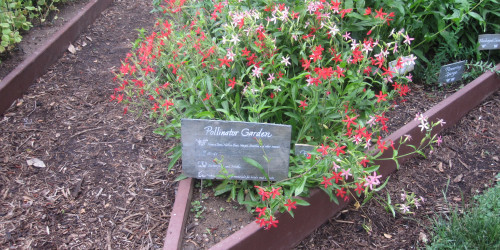
Community gardens have emerged as powerful tools for pollinator conservation. In Raleigh, North Carolina, urban gardens have been designed to support local butterfly populations by incorporating a variety of nectar-rich plants. These gardens serve as educational platforms, fostering community engagement and awareness about the importance of pollinators in our food systems (Raleigh Urban Garden).
In the world of technology, automated farming techniques, such as those outlined in the article “Breakthrough: Automated Tractors Cut Emissions by 60%!” have also been adapted for pollinator conservation. These innovations reduce carbon footprints and minimize disturbances to natural habitats, allowing butterflies to thrive without the threat of heavy machinery (Automated Tractors).
Furthermore, utilizing official secure websites for advanced beekeeping and honey production techniques has proven beneficial for butterfly conservation efforts. By incorporating similar practices, such as habitat management and pollinator-friendly farming, butterfly populations can significantly benefit (Advanced Beekeeping).
Overall, these real-world success stories demonstrate the potential of innovative techniques in pollinator conservation. Whether through urban gardening, agricultural practices, or technological advancements, each effort contributes to the broader goal of sustaining butterfly populations. As awareness and engagement grow, so too does the hope for a future where these pollinators continue to flourish in diverse environments.
Future Trends and Innovations
In recent years, the field of pollinator conservation has witnessed a surge in innovative techniques aimed at safeguarding butterfly populations. As these delicate creatures play a pivotal role in pollination, their conservation is essential not only for ecological balance but also for agricultural productivity. With advancements in technology and increased awareness of environmental issues, various trends are emerging that promise to enhance pollinator conservation efforts.
One of the most promising trends is the integration of technology in monitoring butterfly populations. Using drones equipped with high-resolution cameras, conservationists can now conduct expansive surveys of habitats with minimal disturbance to the environment. This method not only ensures more accurate data collection but also significantly reduces the time and resources traditionally required for such studies.
Another exciting development is the use of citizen science platforms. These platforms harness the power of the public by encouraging individuals to report butterfly sightings and habitat conditions. By crowd-sourcing data, conservationists can build extensive databases more quickly and efficiently, which aids in tracking population trends and identifying areas in need of intervention.
Innovative Habitat Restoration Techniques
Habitat restoration has always been a cornerstone of pollinator conservation, but recent innovations have taken it to new heights. Urban gardening initiatives are sprouting up in cities around the world, transforming vacant lots into vibrant butterfly havens. For example, projects in the Bronx have shown that urban areas can be transformed into pollinator-friendly spaces, offering crucial refuge for butterflies amidst concrete jungles.
Moreover, the implementation of sustainable agricultural practices is gaining momentum. By adopting techniques that minimize pesticide use and promote biodiversity, farmers can create environments that support butterfly populations. This approach is not only beneficial for pollinators but also enhances soil health and crop yields, as discussed in articles like 5 Soil Management Mistakes Costing Farmers 40% of Their Yield.
An interesting area of innovation is the development of butterfly-friendly landscaping designs. Landscape architects are increasingly incorporating native plant species that provide essential nectar sources and breeding grounds for butterflies. These designs not only boost butterfly populations but also enhance the aesthetic appeal of gardens and public spaces.
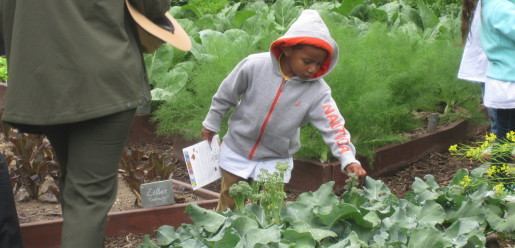
Education and community involvement play a crucial role in the future of pollinator conservation. Workshops and educational programs are being organized globally to raise awareness about the importance of butterflies and how individuals can contribute to their conservation. Initiatives like these empower communities to take action, fostering a collective responsibility towards environmental stewardship.
In conclusion, the future of pollinator conservation looks promising, with a plethora of innovative trends and techniques paving the way for more effective conservation strategies. By leveraging technology, fostering community involvement, and adopting sustainable practices, we can ensure the survival of butterfly populations. As these efforts continue to evolve, they not only benefit the environment but also contribute to the resilience and productivity of agricultural systems worldwide.
Looking for products related to this topic?
Conclusion: Your Next Steps
In conclusion, the latest techniques in butterfly pollinator research underscore the critical importance of understanding and supporting these vibrant creatures. Firstly, habitat restoration emerges as a pivotal strategy, where creating diverse plantings not only provides essential resources but also promotes ecological balance. Secondly, the use of technology, such as drone mapping and genetic analysis, offers unprecedented insights into pollinator behaviors and migration patterns, paving the way for more targeted conservation efforts. Lastly, community engagement through citizen science projects empowers individuals to contribute meaningfully to data collection and awareness.
Pollinator conservation is not merely an option but a necessity for sustaining biodiversity and ensuring food security. Each of us holds the power to make impactful changes by planting native species, reducing pesticide use, and supporting local conservation initiatives. The health of our ecosystems depends on immediate and collective action.
Now is the time to act. By embracing these innovative techniques and fostering a deeper connection with nature, we can pave the way for a flourishing future. Let us commit to protecting our pollinators today, for they are the keystones of our ecological heritage. Together, we can create a vibrant tapestry of life that will inspire generations to come. Take the first step now and be a catalyst for change.
From Our Network
GreenChoice Affiliates — Eco-friendly product reviews for sustainable living
FarmsFlo — Free farm management app for planting schedules, harvests, and operations
BoingyBooks — Publish and discover ebooks, interactive read-alongs, and audiobooks
Leave a Reply
You must be logged in to post a comment.