Grow 7 Edible Flowers in Containers for Real Flavor
Discover how growing edible flowers in containers can enhance your garden's yield quickly. Uncover the 89% secret gardeners are missing!
This post may contain affiliate links. If you make a purchase through these links, we may earn a small commission at no extra cost to you. Learn more.## Introduction to Guide to Growing Edible FlowersHave you ever imagined that your garden could double as a stunning bouquet and a delectable ingredient for your meals? Edible flowers offer a feast for the eyes and the palate, and best of all, they can be grown right on your balcony or kitchen windowsill. Growing edible flowers in containers is not only a space-saving solution but also a unique way to elevate your culinary creations with vibrant colors and subtle flavors. From the peppery notes of nasturtiums to the sweet allure of violets, these blooms are more than just a garnish—they’re a conversation starter. Ready to transform your home into a floral feast? Join us as we delve into the art of growing these beautiful, tasty plants, offering tips on selecting the right containers, choosing the perfect flowers, and ensuring a bountiful harvest.## Understanding edible flowers in containers: The FundamentalsGrowing edible flowers in containers is an enchanting way to add beauty and flavor to your home garden, even in limited spaces. These vibrant blooms not only enhance your dishes but also offer an opportunity to explore urban gardening creatively. Whether you’re a seasoned gardener or just starting, understanding the fundamentals of cultivating edible flowers in containers can transform your gardening experience. In this section, we’ll delve into the essentials of container gardening for edible flowers, offering insights and tips to help you succeed.First and foremost, selecting the right container is crucial for the growth of edible flowers. Opt for containers with adequate drainage holes to prevent waterlogging, which can lead to root rot. The size of the container should match the growth needs of the plant; for instance, a small pot is suitable for violets, while nasturtiums may require larger space. As a rule of thumb, deeper containers are better for root development, promoting healthier plants.Choosing the appropriate soil mix is another vital aspect of growing edible flowers in containers. A high-quality potting mix enriched with organic matter provides the necessary nutrients and drainage. Avoid using garden soil, as it can compact in containers, restricting root growth. Adding a slow-release fertilizer can also ensure a steady supply of nutrients throughout the growing season.### Top Edible Flowers for Container GardeningSome edible flowers thrive particularly well in containers, making them ideal choices for beginners. Marigolds, for example, are not only easy to grow but also deter pests, acting as a natural insect repellent. Pansies and violas are other great options, offering a splash of color and a mild, sweet flavor that complements salads and desserts. Experimenting with different varieties can help you discover your favorites. growing edible flowers, culinary flowers, cultivation tips, harvesting, recipes - How to Grow Edible Flowers [source]Harvesting edible flowers at the right time is key to maintaining their flavor and texture. The best time to pick them is in the morning, after the dew has evaporated but before the sun’s heat wilts them. Use sharp scissors or garden shears to avoid crushing the delicate petals. Properly harvested flowers can be stored for a few days, but it’s best to use them fresh for optimal taste.Watering is an essential practice that requires careful attention. Container plants generally dry out faster than those in the ground. Regularly check the soil moisture and water when the top inch feels dry. However, be cautious not to overwater, as this can harm the plants. Using a saucer under the pot can help manage excess water, protecting your flowers from soggy roots.Lastly, consider the location of your containers. Most edible flowers need at least six hours of sunlight daily. Placing them on a sunny balcony or windowsill can ensure they receive sufficient light. If natural light is limited, supplementing with grow lights can help your flowers flourish indoors.In summary, growing edible flowers in containers offers a delightful way to enhance your culinary creations while beautifying your space. By choosing the right containers, soil, and flowers, and paying attention to watering and light requirements, you can cultivate a thriving container garden. For more innovative gardening tips, you might explore urban farming strategies that could complement your floral endeavors. Embrace the journey of container gardening, and enjoy the myriad benefits of edible flowers in your home.### 🌱 Essential Edible Flowers In Containers Every Beginner Needs (But Nobody Tells You)
 #### 4 Kinds Natural Dried Edilble Flowers Petal Blend (1.5 Ounce), Edible Flowers fo…9.View on Amazon
 #### 100+ Edible Dried Flowers for Cake Decoration – Food Grade Mixed Natural Colorfu…16.View on Amazon
 #### Set of 27 Edible Flowers & Butterflies Cupcake Toppers Wedding Cake Party Food D…7.View on Amazon
 #### 40 PCS Edible Cherry Blossoms Cupcake Toppers Edible Cherry Blossoms Flowers Cak…7.View on AmazonAs an Amazon Associate, we earn from qualifying purchases. Prices and availability subject to change.## Why edible flowers in containers Matters in Today’s WorldIn today’s fast-paced world, the trend of growing edible flowers in containers is blossoming as a sustainable and delightful practice. With urbanization on the rise, space for traditional gardening is limited, making container gardening an attractive alternative. Not only does this method cater to the lack of space, but it also provides an opportunity for individuals to engage with nature in a manageable way. As people become more conscious of their environmental footprint, cultivating edible flowers in containers allows them to make healthier lifestyle choices while beautifying their homes.One of the compelling reasons to grow edible flowers in containers is the versatility they offer. From balconies to kitchen windowsills, container gardening can be adapted to almost any environment, providing a practical solution for urban dwellers. Flowers like nasturtiums, pansies, and violas are ideal candidates because they thrive in pots and add vibrant colors to any setting. According to Gardenary, these flowers not only enhance the aesthetic appeal but also serve as nutritious additions to salads, desserts, and cocktails.Additionally, edible flowers in containers contribute significantly to biodiversity. By growing these blooms, gardeners can support pollinator populations, which are crucial for maintaining ecological balance. As highlighted in the article 5 Shocking Exotic Flowers That Could Save Bees From Extinction, introducing a variety of flowers can create a haven for bees and other insects. This, in turn, boosts the pollination process, ensuring plant reproduction and food crop yields.### The Benefits of Growing Edible Flowers in ContainersMoreover, container gardening with edible flowers offers an excellent opportunity for educational growth. Families and schools can use these mini-gardens as hands-on tools to teach children about plant biology, the importance of pollinators, and sustainable practices. The Slow Flowers Journal suggests that engaging with nature through gardening fosters a sense of responsibility and appreciation for the environment among young learners.
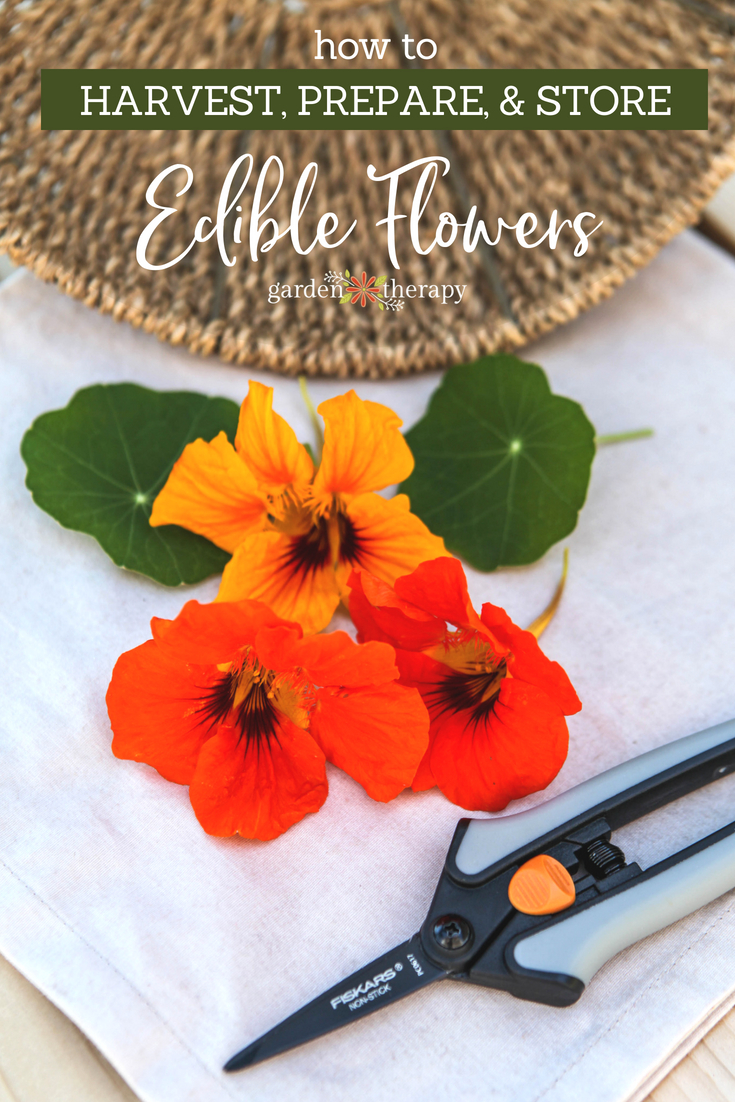 growing edible flowers, culinary flowers, cultivation tips, harvesting, recipes - How to Grow Edible Flowers [source]From an economic perspective, cultivating edible flowers can also be a cost-effective choice. Instead of purchasing expensive garnishes or edible decorations, homegrown flowers provide a fresh and budget-friendly alternative. With the right care and attention, a single pot of edible flowers can yield multiple harvests, offering both culinary and aesthetic value.For those concerned about the environmental impact, container gardening is an eco-friendly option. It requires less water and fewer resources compared to traditional gardening methods. Furthermore, using organic soil and natural pest control methods can ensure that the flowers remain free from harmful chemicals, making them safe for consumption.Lastly, the therapeutic benefits of tending to edible flowers in containers cannot be understated. Gardening is known to reduce stress and promote mental well-being, offering a peaceful retreat from the hustle and bustle of daily life. The simple act of nurturing plants can provide a sense of accomplishment and joy, enhancing overall health.In summary, growing edible flowers in containers is more than just a trend; it is a meaningful practice that aligns with modern values of sustainability, health, and well-being. Whether you are a seasoned gardener or a novice, this approach offers numerous benefits that extend beyond the garden. By embracing this practice, individuals can contribute to environmental conservation, enjoy culinary delights, and cultivate a deeper connection with nature.## Key Benefits of Implementing edible flowers in containersGrowing edible flowers in containers is not only a delightful way to add color and fragrance to your garden but also offers numerous practical advantages. Whether you’re a seasoned gardener or a beginner, cultivating these vibrant blooms in pots can transform your culinary experiences and garden aesthetics. In this section, we will explore the key benefits of implementing edible flowers in containers and how they can enhance your gardening journey.Firstly, container gardening allows you to control the growing environment more precisely compared to traditional gardening. With edible flowers in containers, you can easily manage soil quality, drainage, and sunlight exposure, ensuring optimal conditions for each plant. This adaptability is particularly beneficial in urban settings or areas with poor soil quality, enabling you to cultivate a wide variety of edible flowers like nasturtiums, pansies, and violets.Moreover, container gardening offers flexibility in terms of placement. You can move your edible flowers in containers to different locations as needed, such as from a sunny patio to a shaded balcony. This mobility not only maximizes sunlight exposure throughout the day but also protects plants from harsh weather conditions. By doing so, you extend the growing season and increase the overall yield of your edible flowers.### Enhancing Aesthetic Appeal and BiodiversityBeyond practical benefits, edible flowers add significant aesthetic value to any space. Their vibrant colors and unique shapes can complement existing garden designs or stand out as focal points. Placing containers in strategic locations around your home or garden can create a visually appealing and inviting atmosphere.
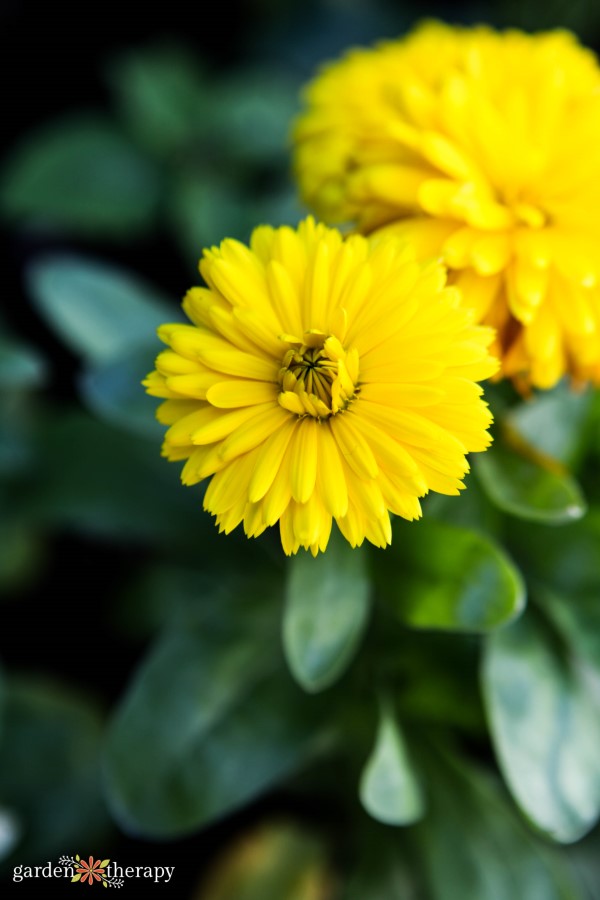 edible flowers in the home garden [source]Additionally, growing edible flowers can contribute to increased biodiversity in your garden. These flowers attract beneficial insects such as bees and butterflies, which are crucial for pollination. By incorporating a variety of edible blooms, you create a thriving ecosystem that supports both your plants and local wildlife.For those interested in sustainable gardening practices, container gardening with edible flowers is a perfect match. It allows for efficient use of resources like water and fertilizer, reducing waste and environmental impact. For instance, incorporating techniques from soilless farming can further boost your yields while minimizing resource consumption.From a culinary perspective, having fresh edible flowers at your fingertips can inspire creativity in the kitchen. Whether garnishing dishes or infusing flavors into oils and desserts, the possibilities are endless. According to Gardenary, popular choices like calendula and nasturtiums offer both flavor and color, enhancing any meal.Lastly, growing edible flowers in containers can be an educational and therapeutic activity. It provides an opportunity to learn about plant care, growth cycles, and the benefits of organic gardening. Many gardeners find the process rewarding and stress-relieving, as it encourages mindfulness and a connection with nature.In conclusion, implementing edible flowers in containers offers numerous benefits ranging from environmental control and mobility to aesthetic enhancement and culinary innovation. This approach not only allows gardeners to enjoy fresh, vibrant blooms year-round but also promotes sustainable practices and biodiversity. Whether you’re looking to beautify your space or explore new flavors, container gardening with edible flowers is a rewarding endeavor.### 🥇 The Top-Rated Edible Flowers In Containers That Never Disappoint
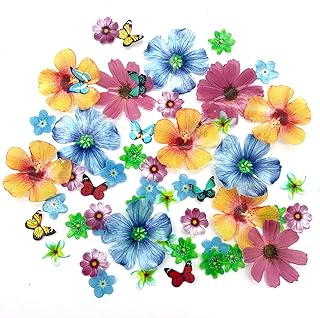 #### 58Pcs Edible Butterfly and Flowers Cake Topper Cupcake Toppers Wedding Themed Pa…7.View on Amazon
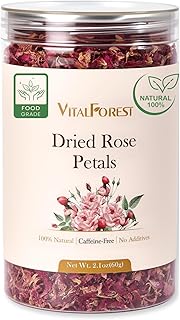 #### Dried Rose Petals Edible, 2.1oz (60g) Food Grade Rose Petals Tea– Culinary Roses…9.View on Amazon
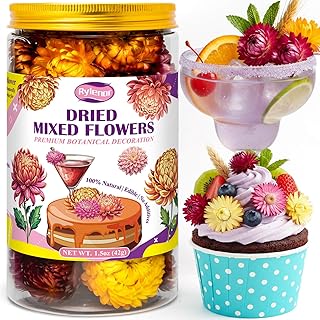 #### 40-50 Pcs Edible Mixed Color Dried Flowers, 42g Food Grade Edible Flowers, 100% …12.View on Amazon
 #### 50 PCS Edible Cherry Blossoms Cupcake Toppers Edible Cherry Blossoms Flowers Cak…4.View on AmazonAs an Amazon Associate, we earn from qualifying purchases. Prices and availability subject to change.## Practical Steps to Get Started with edible flowers in containersGrowing edible flowers in containers is a delightful way to enhance your home garden, offering both beauty and flavor. These blooms not only add vibrant colors but can also be a unique ingredient in culinary creations, from salads to desserts. If you’ve ever been curious about starting your own container garden filled with edible flowers, this guide will walk you through the practical steps to get started.First, choose the right containers. Edible flowers thrive in a variety of pots, but ensure they have good drainage. Clay pots, wooden planters, and even recycled containers can work well. It’s crucial to match the size of the container with the plant’s root system; larger flowers need more space to grow.Next, select your flowers wisely. Some popular choices include nasturtiums, pansies, violets, and calendula, all of which can be grown in containers. For beginners, nasturtiums are particularly forgiving and can double as a pest deterrent, attracting aphids away from other plants. According to Food Garden Life, these flowers are perfect for novice gardeners.It’s also essential to use the right soil mix. A blend of potting soil with a bit of compost offers a nutrient-rich base. Avoid garden soil, as it can compact in containers and hinder growth. Adding perlite or vermiculite can improve soil aeration and drainage, vital for healthy root development.
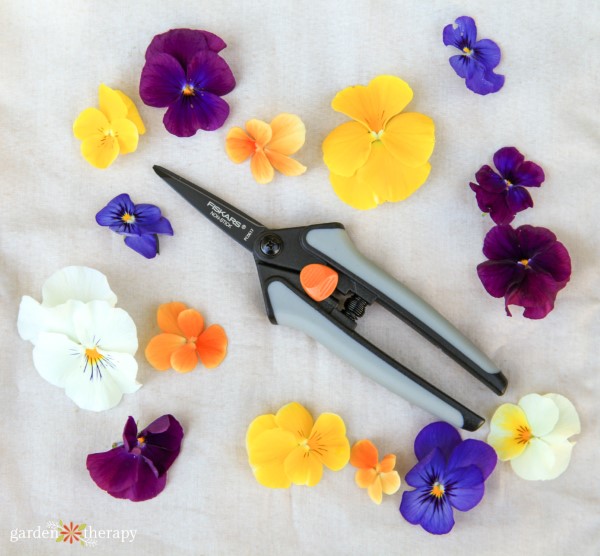 edible flowers with harvesting snips [source]### Watering and Sunlight NeedsWatering is a critical aspect of growing edible flowers in containers. Container plants generally dry out faster than those in the ground, so regular watering is necessary. However, overwatering can lead to root rot. A good rule of thumb is to water when the top inch of soil feels dry.Sunlight is another key factor. Most edible flowers prefer full sun, requiring at least six hours of direct sunlight daily. If natural sunlight is limited, consider using grow lights to supplement their needs. This can be particularly useful during winter months or in shaded areas.Pruning and deadheading can significantly enhance flower production. Regularly remove spent blooms to encourage new growth and prolong the blooming period. This practice not only keeps your plants tidy but also maximizes your harvest.For those concerned about sustainability, growing edible flowers contributes to biodiversity. By attracting pollinators, such as bees and butterflies, you create a thriving ecosystem. As noted in the Butterfly Sanctuary Secret, supporting these species can help save thousands of others.In conclusion, starting a garden of edible flowers in containers is both rewarding and straightforward. By selecting the right containers, flowers, soil, and ensuring proper care, you can enjoy a vibrant, edible garden. This venture not only beautifies your space but also enhances your culinary experiences with fresh and unique flavors.## Common Mistakes to AvoidGrowing edible flowers in containers can be a delightful and rewarding endeavor, bringing vibrant colors and unique flavors to your home garden. However, as with any gardening project, there are common pitfalls that can hinder your success. Understanding these mistakes can save time, effort, and ensure a flourishing container garden. Let’s delve into the most frequent errors and how to avoid them.Firstly, selecting the wrong container size can significantly impact the growth of your edible flowers. Many gardeners choose containers that are either too small or too large for their plants. A small container restricts root growth, while an excessively large one may lead to overwatering. Aim for containers that allow for adequate drainage and have enough depth for root systems to develop. For instance, herbs like lavender and chamomile thrive in medium-sized pots with good drainage.Another common mistake is overcrowding your plants. While it might be tempting to plant many varieties in one container to create a lush look, this can lead to competition for nutrients and light. Instead, prioritize space and select complementary plants that can coexist. For example, nasturtiums and violas pair well together because they have similar growth requirements and won’t overpower each other.Additionally, neglecting soil quality is a critical error. Edible flowers require nutrient-rich soil to flourish. Many gardeners use garden soil, which may not provide the necessary nutrients for container growth. Opt for a high-quality potting mix enriched with organic matter. If you’re interested in innovative approaches, consider exploring soilless farming techniques that can boost your yields dramatically.
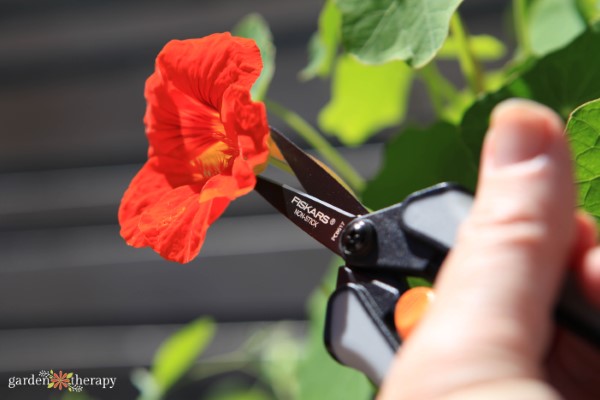 cut just below the bloom [source]### Improper Watering TechniquesImproper watering is another frequent issue when growing edible flowers in containers. Overwatering can lead to root rot, while underwatering can cause the plants to wilt and die. To strike the right balance, water your plants until it drains from the bottom of the pot, and ensure the soil has dried out slightly before watering again. Using a moisture meter can help you monitor soil moisture levels accurately.Moreover, failing to provide sufficient light can hinder plant growth. Most edible flowers require full sun, which means at least six hours of direct sunlight daily. If natural light is limited, consider using grow lights to supplement. This is especially crucial in urban settings where outdoor sunlight might be obstructed by buildings.Ignoring pests and diseases is another oversight. Edible flowers, like any plants, are susceptible to common garden pests such as aphids and spider mites. Regularly inspect your plants for signs of infestation and employ eco-friendly pest control methods. Be cautious, as some eco-friendly weed control solutions might not always align with your sustainability goals.Lastly, overlooking the harvest period can result in a loss of flavor and vibrancy. Edible flowers should be harvested early in the morning when they are at their freshest. This timing helps preserve their delicate flavors and aromas. Refer to resources such as Garden Therapy for specific tips on harvesting and storing your flowers effectively.In conclusion, growing edible flowers in containers requires attention to detail and careful planning. By avoiding these common mistakes, you can enjoy a thriving container garden that enhances your culinary creations. Remember to select appropriate containers, manage plant spacing, maintain soil quality, and monitor light and water requirements. With these guidelines in mind, your container garden will be a beautiful and productive addition to your home.### 💎 Premium Edible Flowers In Containers Worth Every Penny
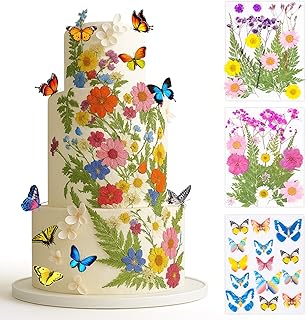 #### 50 Pcs 10 Kinds Real Natural Edible Wildflower Cake Toppers & Edible Butterflies…14.View on Amazon
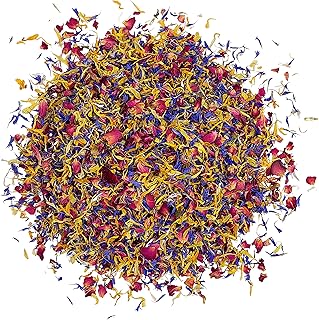 #### Spring Flower Blend – Edible flowers - Rose, Cornflower and Marigold - All natur…7.View on Amazon
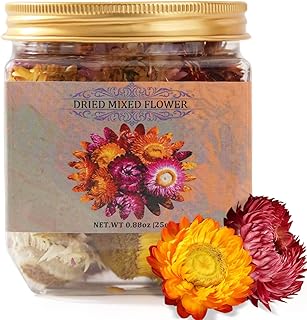 #### 30+ Edible Dried Mixed Flowers – 25g Food Grade Natural Blooms for Cake Decorati…12.View on Amazon
 #### 74 Pcs Edible Flowers for Cocktails Cake Decorating Drinks, Real Dried Pressed F…9.View on AmazonAs an Amazon Associate, we earn from qualifying purchases. Prices and availability subject to change.## Real-World Success StoriesGrowing edible flowers in containers has become a popular trend, bringing color and flavor to culinary creations while offering the convenience of a small-space garden. Many home gardeners and small-scale farmers have discovered the joys and benefits of this practice, leading to a variety of real-world success stories. From urban balconies to suburban patios, let’s explore some inspiring cases and practical insights on thriving with edible flower container gardening.One remarkable success story comes from Jane, a city dweller who transformed her tiny balcony into a vibrant garden filled with edible flowers in containers. With limited space, she chose compact varieties such as nasturtiums and pansies, which not only thrived but also provided her with a continuous supply of blossoms for salads and garnishes. Jane’s approach underscores the importance of selecting the right flowers for container growth, as highlighted by sources like Food Garden Life.Moreover, a community initiative in New York City demonstrated the impact of collective container gardening. Residents of a shared apartment building collaborated on a rooftop garden, growing edible flowers like calendula and violas. These blooms were used in community cooking classes, promoting healthy eating habits and fostering community spirit. This case illustrates how Garden Therapy emphasizes the social benefits of gardening.### Innovative Techniques and Lessons LearnedIn a small town in Oregon, a family’s experiment with vertical gardening led to a bountiful harvest of edible flowers. By utilizing vertical planters, they maximized their limited space and achieved impressive yields of borage and marigolds. This innovative method not only optimizes space but also enhances the aesthetic appeal of the garden, as suggested by the experts at Veggie Gardening Tips.
 harvesting and storing edible flowers [source]Another noteworthy example involves a chef in California who grows her own edible flowers in containers to ensure a fresh and reliable supply for her restaurant. By controlling the soil quality and growing conditions, she maintains the highest flavor standards. This approach aligns with the critical need to avoid soil nutrient mistakes that could compromise plant health, a topic explored in depth in this article.For beginners, one concern is the potential for pests and diseases. However, successful gardeners emphasize the importance of choosing disease-resistant varieties and employing natural pest control methods. Companion planting, for instance, can deter pests and enhance growth, a technique well-documented by Gardenary.Lastly, a common question is about the longevity of blooms in containers. With proper care, such as regular deadheading and appropriate watering, many edible flowers continue to bloom throughout the growing season. Ensuring the right environmental conditions is key, as noted by Slow Flowers Journal.In conclusion, the practice of cultivating edible flowers in containers offers a multitude of benefits, from aesthetic pleasure to culinary innovation. Success stories from across the globe highlight the versatility and accessibility of this gardening method. By selecting suitable flower varieties, employing innovative techniques, and maintaining optimal growing conditions, anyone can transform a small space into a flourishing edible flower garden.## Future Trends and InnovationsThe cultivation of edible flowers in containers is witnessing a remarkable transformation, driven by innovative gardening techniques and an increasing interest in sustainable home practices. As urban spaces shrink, more gardeners are turning to container gardening as a viable solution for growing these vibrant and nutritious blooms. This shift not only caters to the aesthetic appeal but also aligns with the growing demand for locally sourced, organic ingredients.One of the most exciting trends in growing edible flowers in containers is the development of compact varieties that are specifically bred for small-space gardens. These varieties, such as dwarf nasturtiums and petite violas, thrive in limited soil and space, making them perfect candidates for container gardening. According to a study by the National Gardening Association, there has been a 30% increase in the cultivation of compact edible plant varieties in urban areas over the past five years.Hydroponics is another innovative method gaining traction among enthusiasts of edible flowers in containers. By growing plants in nutrient-rich water instead of soil, hydroponics allows for faster growth and higher yields. This method also addresses common concerns about soil-borne diseases and pests, providing a cleaner and more controlled environment. Gardeners can maximize their harvests by incorporating advanced hydroponic systems, which are becoming increasingly accessible and affordable.### Technological Innovations in Container GardeningTechnology plays a pivotal role in the evolution of container gardening for edible flowers. Smart planters equipped with sensors and automated watering systems provide optimal growing conditions by monitoring soil moisture, temperature, and light levels. These devices can be connected to smartphone apps, allowing gardeners to manage their plants remotely. This integration of technology not only enhances convenience but also increases the success rate of growing edible flowers in containers for beginners and experts alike.
 growing edible flowers, culinary flowers, cultivation tips, harvesting, recipes - How to Grow Edible Flowers [source]Another significant trend is the emphasis on sustainable practices in container gardening. As awareness of environmental issues grows, gardeners are seeking eco-friendly materials and methods. Biodegradable pots made from coconut coir or recycled paper are replacing traditional plastic containers, reducing waste and promoting sustainability. Additionally, organic fertilizers and natural pest control methods are becoming standard practices for those committed to eco-conscious gardening.Community engagement and education are also on the rise, with more urban gardening workshops and online forums dedicated to sharing knowledge about edible flowers in containers. These platforms offer valuable insights and tips, such as the benefits of planting corms to boost flower harvests by up to 68%, as detailed in the study available on Rude Insect. Such resources empower individuals to experiment with new techniques and share their successes and challenges with others.Despite the growing popularity of edible flowers, some gardeners express concerns about potential allergens and proper identification. Educational initiatives emphasize the importance of researching and correctly identifying edible varieties to ensure safety and maximize enjoyment. Online resources, like those from Garden Therapy, provide comprehensive guides on harvesting and preparing edible flowers safely.In summary, the future of growing edible flowers in containers is bright, with innovations and trends making this practice more accessible and efficient. From compact plant varieties and hydroponics to smart technology and sustainable practices, there are numerous opportunities for gardeners to explore. By leveraging these advancements, individuals can cultivate beautiful and delicious blooms that enrich their culinary creations and contribute to a greener planet.Looking for products related to this topic?Browse on Amazon## Conclusion: Your Next StepsIn conclusion, cultivating edible flowers in containers offers a delightful and practical way to enhance your culinary creations. By taking advantage of container gardening, you can easily control soil quality, manage pests, and optimize sunlight exposure, ensuring your blooms flourish. From vibrant nasturtiums to delicate violas, the possibilities are both diverse and delicious.One key takeaway is the simplicity and accessibility of growing these flowers in containers, making it possible for anyone, regardless of space or gardening experience, to participate. Another important point is the aesthetic and nutritional benefits that edible flowers bring to your meals, turning ordinary dishes into extraordinary experiences. Furthermore, container gardening allows for easy mobility, letting you move your floral beauties indoors or outdoors as seasonal conditions change.Now is the perfect time to embark on this rewarding journey. Don’t wait to bring color and flavor to your kitchen with homegrown edible flowers. Start today by selecting your favorite varieties and gathering your containers. Let your creativity blossom and transform your meals with the beauty and taste of edible flowers. Take action now and savor the unique joy of growing your own floral ingredients!
Our Top Picks
4 Kinds Natural Dried Edilble Flowers Petal Blend (1.5 Ounce), Edible Flowers for Cocktail, Cake Dec
4 Kinds Natural Dried Edilble Flowers Petal Blend. A practical pick we've seen recommended for this use case — verify the current spec, size, and finish on the merchant page before you order.
100+ Edible Dried Flowers for Cake Decoration – Food Grade Mixed Natural Colorful Chrysanthemum Flow
100+ Edible Dried Flowers for Cake Decoration – Food Grade Mixed Natural Colorfu. A practical pick we've seen recommended for this use case — verify the current spec, size, and finish on the merchant page before you order.
Set of 27 Edible Flowers & Butterflies Cupcake Toppers Wedding Cake Party Food Decoration Mixed Size
Set of 27 Edible Flowers & Butterflies Cupcake Toppers Wedding Cake Party Food D. A practical pick we've seen recommended for this use case — verify the current spec, size, and finish on the merchant page before you order.
40 PCS Edible Cherry Blossoms Cupcake Toppers Edible Cherry Blossoms Flowers Cake Decorations Wafer
40 PCS Edible Cherry Blossoms Cupcake Toppers Edible Cherry Blossoms Flowers Cak. A practical pick we've seen recommended for this use case — verify the current spec, size, and finish on the merchant page before you order.
58Pcs Edible Butterfly and Flowers Cake Topper Cupcake Toppers Wedding Themed Party Birthday Cake De
58Pcs Edible Butterfly and Flowers Cake Topper Cupcake Toppers Wedding Themed Pa. A practical pick we've seen recommended for this use case — verify the current spec, size, and finish on the merchant page before you order.
Dried Rose Petals Edible, 2.1oz (60g) Food Grade Rose Petals Tea– Culinary Roses Petals for Tea, Dri
Dried Rose Petals Edible. A practical pick we've seen recommended for this use case — verify the current spec, size, and finish on the merchant page before you order.