

This post may contain affiliate links. If you make a purchase through these links, we may earn a small commission at no extra cost to you. Learn more.
Introduction to Latest Techniques in Butterfly Sanctuary
Have you ever wondered what it truly takes to create a thriving environment where delicate wings flutter in vibrant harmony? Welcome to the world of the Butterfly Sanctuary, where innovation meets nature in a delicate dance of conservation and wonder. In an era where biodiversity is under threat, the importance of preserving these ethereal creatures has never been more urgent. By embracing the latest techniques in habitat creation and species protection, sanctuaries worldwide are not just safeguarding butterflies but also enriching our ecosystems and enhancing human well-being. From pioneering breeding programs to cutting-edge ecological management, these sanctuaries are at the forefront of environmental stewardship. Join us as we delve into the most revolutionary practices being implemented today, and discover how you can contribute to this beautiful mission.
Understanding Butterfly Sanctuary: The Fundamentals
Creating a butterfly sanctuary involves more than just planting a few flowers; it’s about cultivating an entire ecosystem where butterflies can thrive. Understanding the fundamentals of a butterfly sanctuary is essential for anyone looking to contribute to the preservation of these delicate creatures. These sanctuaries not only support biodiversity but also serve as critical educational tools that raise awareness about the importance of pollinators. By delving into the basics of establishing a butterfly sanctuary, you can begin to appreciate the intricate balance required to maintain this vibrant habitat.
Firstly, selecting the right location is crucial. A successful butterfly sanctuary requires a sunny spot, as butterflies are cold-blooded and rely on sunlight to regulate their body temperature. Additionally, a location sheltered from strong winds is ideal, as butterflies are fragile and can be easily disturbed by gusty conditions. Consider integrating your sanctuary with existing gardens, which can be a seamless way to enhance local ecosystems while minimizing your environmental footprint. For more on sustainable gardening techniques, you can explore Revolutionizing DIY Gardening Projects: Techniques to Minimize Your Environmental Footprint.
Next, the choice of plants is vital. Native flowering plants that provide nectar throughout the growing season are essential. Milkweed, for instance, is a critical plant for monarch butterflies, serving as both a food source and a breeding ground. Other popular options include coneflowers, asters, and butterfly bushes, which attract a variety of butterfly species. A diverse plant selection not only sustains butterflies but also supports other pollinators, contributing to a healthier environment overall.
Providing Essential Resources
Butterfly sanctuaries must also offer resources beyond just food. Water sources, such as shallow puddles or damp sand, are necessary for hydration. Butterflies also engage in a behavior known as “puddling,” where they extract minerals and nutrients from the soil. Creating puddling stations can be as simple as placing a shallow dish with wet sand in a sunny spot. Furthermore, adding flat stones to your sanctuary can provide resting places for butterflies to bask in the sun.

While establishing a butterfly sanctuary, understanding the potential risks is equally important. Urban agriculture practices, for example, can sometimes pose threats to butterfly populations due to pesticide use and habitat destruction. To learn more about the impact of urban gardening on butterflies, visit Could Gardens and Urban Agriculture Be Harming Butterflies? for valuable insights.
Community involvement can greatly enhance the effectiveness of a butterfly sanctuary. Hosting educational workshops or collaborating with local schools can raise awareness and encourage conservation efforts. This communal approach not only fosters a sense of stewardship but also ensures the sustainability of the sanctuary by engaging future generations in its upkeep.
Documenting and monitoring the biodiversity within your sanctuary can provide valuable data for conservation efforts. Regularly recording species types and numbers helps track the health of the butterfly population and can influence broader conservation strategies. Resources from organizations like the USDA emphasize the importance of pollinators and provide guidelines for creating supportive environments.
In conclusion, establishing a butterfly sanctuary requires a thoughtful approach to location, plant selection, and community involvement. By understanding the fundamentals and addressing potential challenges, you can create a thriving habitat that supports not only butterflies but the broader ecosystem. These sanctuaries serve as vital reminders of the beauty and importance of pollinators, encouraging a collective effort towards environmental stewardship.
🌱 Essential Butterfly Sanctuary Every Beginner Needs (But Nobody Tells You)

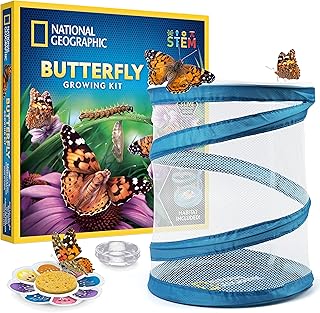
Insect Lore Butterfly Garden Habitat – Washable, Reusable, Folds Flat – Medium 1…

As an Amazon Associate, we earn from qualifying purchases. Prices and availability subject to change.
Why Butterfly Sanctuary Matters in Today’s World
In today’s rapidly changing world, the importance of a Butterfly Sanctuary cannot be overstated. These sanctuaries play a crucial role in preserving biodiversity, supporting ecosystems, and providing environmental education. As urbanization and agricultural expansion continue to encroach on natural habitats, butterfly sanctuaries offer a refuge for these delicate insects. By focusing on conservation, they ensure that future generations can enjoy the beauty and ecological benefits that butterflies bring to our world.
Butterflies are not just beautiful creatures; they are essential pollinators. According to the USDA, pollinators like butterflies contribute significantly to the production of over 35% of the world’s crops and nearly 75% of flowering plants. A butterfly sanctuary provides a safe haven for these pollinators, helping to maintain and increase their populations. This, in turn, supports agricultural productivity and biodiversity. For example, integrating butterfly-friendly practices into farming can improve crop yields and reduce reliance on chemical pesticides.
Furthermore, butterfly sanctuaries serve as important educational sites. They offer unique opportunities for visitors to learn about the lifecycle of butterflies, their role in ecosystems, and the importance of conservation efforts. Educational programs at sanctuaries can inspire people to take action in their own gardens, creating more butterfly-friendly environments. This grassroots level of involvement can have a substantial impact on local biodiversity.
The Role of Butterfly Sanctuaries in Sustainable Farming
Butterfly sanctuaries also have a significant role in promoting sustainable farming practices. By demonstrating how natural pest control can be achieved through biodiversity, they offer a viable alternative to chemical-intensive farming. This aligns with the growing trend of earth-friendly farming, which has been shown to cut costs by 50% overnight. Such practices not only benefit the environment but also improve the bottom line for farmers, as seen in a recent case where flower farming profitability was significantly enhanced by integrating sustainable methods.

The economic benefits of butterfly sanctuaries extend beyond agriculture. They can boost local economies by attracting tourists and nature enthusiasts. Communities surrounding these sanctuaries often see a rise in eco-tourism, which can lead to job creation and increased support for local businesses. For instance, regions with thriving butterfly sanctuaries often report higher visitor numbers, which translates to economic opportunities for locals.
In addition to economic and educational benefits, butterfly sanctuaries are vital for scientific research. They provide a controlled environment where scientists can study butterfly behaviors, migration patterns, and the impacts of climate change. This research is crucial for developing strategies to mitigate the adverse effects of environmental changes on butterfly populations and, by extension, on global ecosystems.
Despite their importance, butterfly sanctuaries face numerous challenges, such as habitat loss and climate change. Addressing these issues requires a concerted effort from governments, NGOs, and individuals. By supporting policies that protect natural habitats and promote biodiversity, we can ensure that butterfly sanctuaries continue to thrive.
In conclusion, butterfly sanctuaries matter immensely in today’s world. They are not only vital for preserving biodiversity and supporting agriculture but also serve as hubs for education and research. As we continue to develop and urbanize, it is essential to prioritize the conservation of these sanctuaries. By doing so, we can protect our planet’s ecological balance and ensure a sustainable future for all.
Key Benefits of Implementing Butterfly Sanctuary
Implementing a butterfly sanctuary can be a transformative venture for both the environment and local communities. Not only do these sanctuaries provide crucial habitats for butterflies, but they also offer numerous ecological and educational benefits. The concept of a butterfly sanctuary aligns with the growing need to preserve biodiversity and can play a pivotal role in conservation efforts.
Firstly, butterfly sanctuaries are vital for pollination. Butterflies, like bees, are important pollinators, and their presence can significantly enhance local ecosystems. According to the USDA, pollinators contribute to the production of one-third of the food we consume. By establishing a butterfly sanctuary, communities can support these essential creatures and, in turn, improve agricultural yields.
Moreover, butterfly sanctuaries can contribute to soil conservation. The diverse plant life within a sanctuary helps prevent soil erosion, a significant concern in many regions. Integrating these green spaces into urban planning can save up to 40% more soil, as discussed in this article on urban green infrastructure. This highlights the dual benefit of supporting both wildlife and land management.
Enhancing Biodiversity and Community Engagement
Butterfly sanctuaries are not just about the butterflies; they also enhance overall biodiversity. These sanctuaries create habitats for various species, including birds, insects, and small mammals. According to studies from the Washington State Conservation Commission, diverse ecosystems are more resilient to climate change and disease, making sanctuaries a critical component of sustainable environmental practices.
Engaging the community is another significant benefit of butterfly sanctuaries. Educational programs and volunteer opportunities can foster a deeper connection between people and nature. Schools and local organizations can use these sanctuaries as living classrooms, providing hands-on learning experiences in science and conservation.
Sanctuaries also offer economic advantages. By attracting tourists and nature enthusiasts, they can boost local economies. Establishments that support butterfly habitats often become popular attractions, driving business to nearby cafes, gift shops, and hotels. This economic boost can be particularly beneficial in rural areas, as highlighted by the SCAD Back40 initiative.
Additionally, butterfly sanctuaries can improve mental health and well-being. Nature has a calming effect, and the tranquil environment of a sanctuary provides a peaceful retreat from urban life. According to Civil Eats, exposure to nature can reduce stress and anxiety, promoting overall health.
In conclusion, the implementation of a butterfly sanctuary offers a multitude of benefits, from ecological and educational to economic and emotional. By supporting pollination, conserving soil, enhancing biodiversity, and engaging communities, butterfly sanctuaries are a powerful tool in both conservation and community development. As more people recognize the importance of these sanctuaries, we can expect to see their positive impact continue to grow.
📊 Data-Proven: The Best Butterfly Sanctuary Money Can Buy
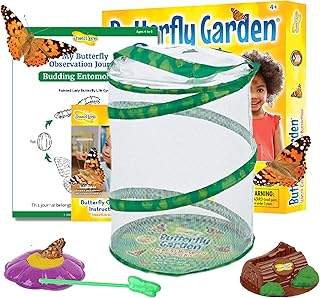
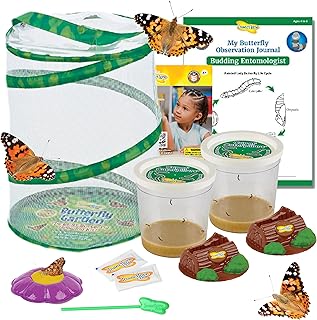
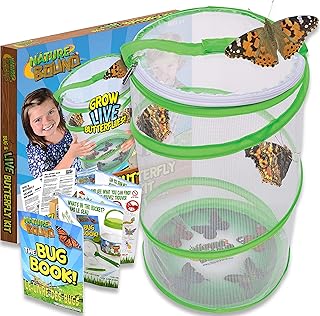
Insect Lore Raise and Release Butterfly Garden Kit – Caterpillar Habitat with re…
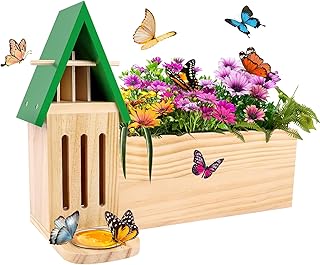
Butterfly House and Feeder with Flower Pot, Wooden Butterfly House for Garden, 3…
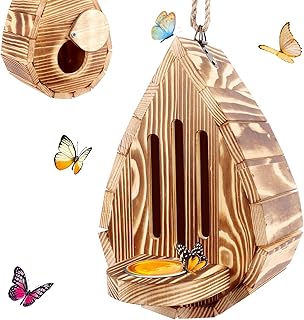
As an Amazon Associate, we earn from qualifying purchases. Prices and availability subject to change.
Practical Steps to Get Started with Butterfly Sanctuary
Starting a Butterfly Sanctuary is a rewarding venture that combines conservation with the beauty of nature. As these vibrant insects face increasing threats from habitat loss and climate change, sanctuaries provide a haven for them to thrive. For anyone looking to embark on this journey, understanding the practical steps involved is crucial for success. From selecting the right location to managing plant species, every detail matters in creating a sanctuary that supports both butterflies and the environment.
First, consider the location of your Butterfly Sanctuary. Ideally, select an area that receives ample sunlight, as butterflies are cold-blooded and thrive in warm environments. Additionally, proximity to natural water sources can enhance the habitat. Urban settings can also work, provided they offer the necessary resources and protection from pollutants.
Next, focus on plant selection, a critical aspect of any Butterfly Sanctuary. Butterflies rely on specific host plants to lay their eggs, and nectar plants to feed on. Incorporate a diverse range of native plants to cater to various butterfly species throughout their life cycles. For example, milkweed is essential for monarchs, while dill and fennel attract swallowtails. According to the USDA, the presence of native plants significantly boosts the survival rate of pollinators.
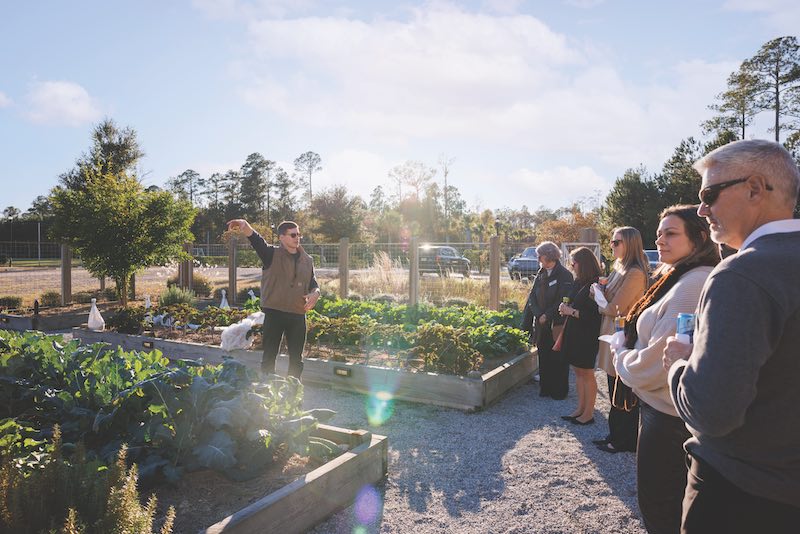
Another important step is habitat management. Regularly monitoring and maintaining the sanctuary helps ensure the health of both flora and fauna. This includes managing pests naturally, using companion planting, and avoiding chemical pesticides. The art of organic, sustainable farming, as practiced at SCAD’s Back40, can provide valuable insights into cultivating a thriving, pesticide-free environment.
Community Engagement and Education
Engaging the local community is vital for the long-term success of a Butterfly Sanctuary. Organize workshops and educational tours to raise awareness about the importance of butterflies and their conservation. Partner with local schools and environmental groups to foster a sense of stewardship among young people. Effective community involvement not only supports conservation efforts but also enhances the sanctuary’s visibility and reach.
Addressing common concerns such as pest control and plant diseases is also essential. Implementing integrated pest management strategies can help maintain a healthy ecosystem. Resources like the article on DIY Garden Projects offer creative solutions to enhance sanctuary aesthetics while maintaining ecological balance.
Lastly, evaluate the economic sustainability of your Butterfly Sanctuary. While primarily a conservation effort, it can also have economic benefits. Avoiding the common pitfalls in flower farming profitability, as highlighted in this article, can provide valuable lessons on maximizing returns without compromising ecological integrity.
In conclusion, establishing a Butterfly Sanctuary requires careful planning and ongoing management. By selecting the right location, choosing appropriate plant species, engaging the community, and addressing economic factors, you can create a thriving sanctuary that supports butterfly populations and enriches the local ecosystem. Embracing sustainable practices ensures that your sanctuary will be a haven for butterflies for generations to come.
Common Mistakes to Avoid
Creating a thriving Butterfly Sanctuary involves more than just planting some flowers and hoping for the best. While the vision of colorful wings fluttering through your garden is enchanting, the path to achieving a successful sanctuary is fraught with potential pitfalls. By avoiding common mistakes, you can ensure your Butterfly Sanctuary not only attracts these beautiful creatures but also contributes positively to their conservation.
One frequent mistake is neglecting the importance of native plants. Butterflies have evolved alongside local flora, and they rely heavily on these plants for nectar and as host plants for their larvae. Ignoring this can lead to a lack of food resources for the butterflies. To avoid this problem, research the butterfly species native to your area and plant the corresponding native flora. For example, monarch butterflies need milkweed, which is their sole host plant.
Additionally, many aspiring butterfly enthusiasts underestimate the impact of pesticides and chemicals. These substances can be lethal to butterflies at all life stages. Instead of using harsh chemicals, consider natural pest management techniques. You might find useful insights in articles discussing the balance between chemicals and natural methods, such as Highly Targeted Chemicals vs. Natural Methods.
Another oversight is not providing adequate shelter. Butterflies need places to rest and shelter from harsh weather. Incorporating elements like shrubs, small trees, or butterfly houses can provide necessary protection. These can also serve as perches for sunbathing, which is crucial for butterflies to regulate their body temperature.
Effective Water Source Management
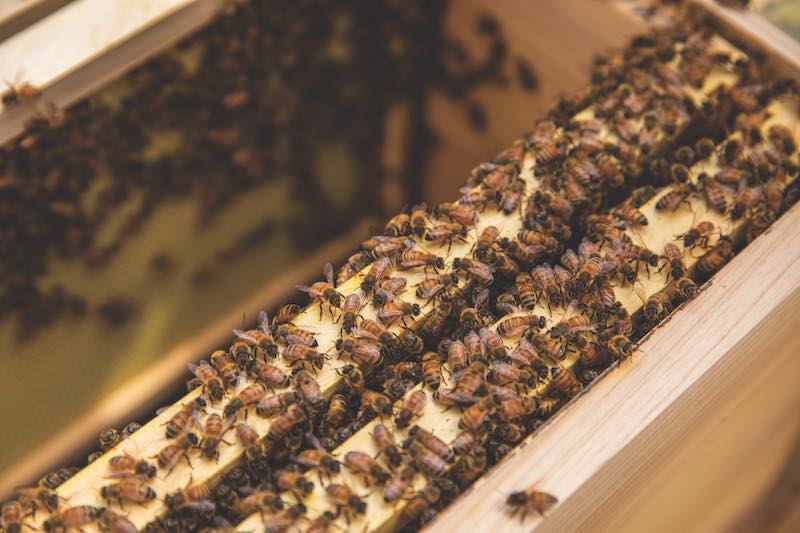
Providing a water source is crucial but often mishandled. Butterflies do not drink from open water like birds; instead, they sip from shallow puddles or mud. Creating a butterfly-friendly water source involves shallow dishes or depressions in the ground filled with moist sand or mud. This setup mimics natural puddling habitats, offering essential minerals and hydration.
Scale and diversity of plant life is another area where many go wrong. A common belief is that a small garden with a few flowers is enough, but butterflies require variety and abundance. Ensuring a continuous bloom from spring through fall by staggering plantings can maintain a consistent food supply. This diversity is crucial for attracting different butterfly species throughout the seasons.
Finally, inadequate education and community engagement can limit a sanctuary’s impact. The success of a Butterfly Sanctuary often hinges on community support and education. Hosting workshops or informational sessions can raise awareness about the importance of pollinators and how individuals can contribute. Resources like Beyond Food Security emphasize the broader benefits of pollinator conservation.
In conclusion, a successful Butterfly Sanctuary requires careful planning and attention to detail. By focusing on native plant species, avoiding harmful chemicals, providing shelter, managing water sources effectively, ensuring plant diversity, and engaging the community, you can create a sanctuary that supports butterfly populations and enhances biodiversity. These efforts not only bring beauty to your space but also play a critical role in conservation efforts.
🏆 The Butterfly Sanctuary Professionals Won’t Share
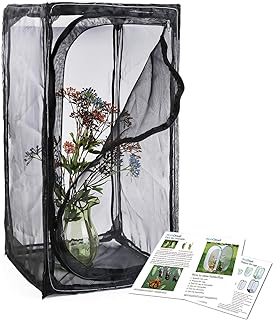
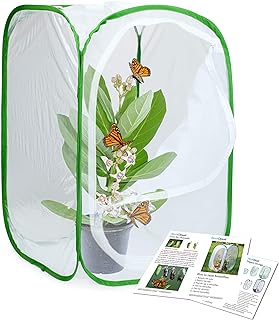
30″ Heavy Duty Monarch Butterfly Habitat, Outdoor Collapsible Insect Mesh Cage T…

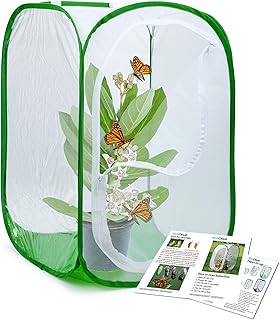
RESTCLOUD 36″ Large Monarch Butterfly Habitat, Giant Collapsible Insect Mesh Cag…
As an Amazon Associate, we earn from qualifying purchases. Prices and availability subject to change.
Real-World Success Stories
Creating a successful Butterfly Sanctuary requires not only passion but also innovative techniques and strategies. Across the globe, there are numerous real-world success stories and case studies that highlight the transformative impact of these sanctuaries. By examining these examples, we can better understand what contributes to the thriving ecosystems within a Butterfly Sanctuary and how these methods can be applied elsewhere.
One standout example is the transformation of an abandoned urban lot into a flourishing Butterfly Sanctuary in Baltimore. As reported by Civil Eats, this project not only rejuvenated the local environment but also engaged the community in urban farming practices. The sanctuary became a hub for education and conservation, drawing attention to the importance of pollinators in city landscapes.
In rural areas, butterfly sanctuaries have also shown remarkable success. The People’s Garden Initiative by the USDA emphasizes the role of pollinators in agricultural ecosystems, highlighting how butterfly gardens can increase crop yields and biodiversity. According to their research, integrating a Butterfly Sanctuary within a farm can lead to a 30% increase in pollination efficiency, benefiting both the environment and farm productivity.
Innovative Techniques and Community Involvement
Another inspiring case is found in the Pacific Northwest, where a community-driven Butterfly Sanctuary was established as part of a broader conservation effort. Conserve WA details how volunteers and local schools collaborated to plant native flora, creating a sustainable habitat for endangered butterfly species. The sanctuary not only preserves biodiversity but also serves as a living classroom for ecological education.
Some sanctuaries have taken innovative approaches to pest management to protect their butterflies. Techniques such as delayed sowing have proven effective in reducing the need for chemical interventions, thereby creating a safer environment for butterflies and other pollinators. This approach aligns with sustainable farming practices that prioritize ecological balance and long-term soil health.
Incorporating action thresholds is another technique being adopted by butterfly sanctuaries. By setting specific pest population levels that trigger control measures, sanctuaries can maintain a healthy balance without over-reliance on pesticides. This method, as outlined in recent studies, has been effective in gardens and sanctuaries, allowing for more precise and environmentally friendly pest management.
Despite these successes, challenges remain. Many sanctuaries face issues such as habitat loss and climate change. However, by sharing knowledge and strategies through platforms like the NDC, communities can adapt and overcome these obstacles. Collaborative efforts and continuous learning are essential for the sustainability of butterfly habitats.
In conclusion, the success stories of butterfly sanctuaries worldwide illustrate the power of community involvement, innovative techniques, and sustainable practices. By adopting these strategies, new and existing sanctuaries can thrive, contributing to the conservation of butterflies and enhancing the ecological balance. As more sanctuaries share their experiences and learn from one another, the future of these vital ecosystems looks promising.
Future Trends and Innovations
In the ever-evolving world of conservation, butterfly sanctuaries are gaining prominence as key players in biodiversity preservation. As climate change and habitat loss threaten these delicate creatures, innovative techniques and future trends in butterfly sanctuaries are becoming increasingly vital. By embracing technology and sustainable practices, these sanctuaries are not only enhancing the survival of butterfly species but also creating immersive experiences for visitors.
One of the emerging trends in butterfly sanctuaries is the integration of advanced technology for habitat management. By using drones and satellite imagery, sanctuaries can monitor large areas efficiently, ensuring that the habitat conditions remain optimal for butterflies. This technology allows for real-time data collection, which can be crucial in making immediate adjustments to protect these delicate insects.
Moreover, many butterfly sanctuaries are adopting sustainable farming practices to support the flora that butterflies depend on. For instance, implementing earth-friendly farming techniques can significantly reduce costs and increase sustainability. As detailed in this breakthrough article on earth-friendly farming, such practices not only benefit the butterflies but also the broader ecosystem.
Another key innovation is the use of native plants in sanctuary landscaping. By prioritizing indigenous plants, sanctuaries can create more resilient environments that support local butterfly species. This approach not only enhances the sanctuary’s ecological balance but also educates visitors about the importance of native biodiversity.
Community Engagement and Education
Engaging local communities is crucial for the long-term success of butterfly sanctuaries. Many sanctuaries are now focusing on educational programs that involve local residents in conservation efforts. By offering workshops and volunteer opportunities, sanctuaries can foster a sense of ownership and responsibility among community members, which is essential for sustained conservation success.
Furthermore, the rise of citizen science projects is making a significant impact. These initiatives invite the public to participate in data collection and monitoring efforts. Not only do they provide valuable data for sanctuary management, but they also increase public awareness and interest in butterfly conservation.
Addressing the challenges of climate change is another critical focus for future butterfly sanctuaries. Some sanctuaries are experimenting with climate-controlled environments to study how different species respond to temperature and humidity changes. This research can provide insights into developing strategies to help butterflies adapt to changing climates.
Lastly, partnerships with universities and research institutions are proving beneficial. These collaborations can lead to groundbreaking research and innovative solutions for butterfly conservation. For example, exploring the effects of cultivated varieties on local plants and insects can reveal potential threats, as discussed in this article on cultivated varieties.
In conclusion, the future of butterfly sanctuaries lies in a blend of technology, sustainable practices, and community engagement. By adopting these innovations, sanctuaries can not only preserve butterfly populations but also inspire future generations to value and protect our planet’s biodiversity. As these sanctuaries evolve, they will continue to serve as vital refuges for butterflies and as educational resources for the public.
Looking for products related to this topic?
Conclusion: Your Next Steps
In conclusion, the latest techniques in butterfly sanctuaries are revolutionizing how we protect and preserve these delicate creatures. By integrating advanced habitat design, utilizing technology for monitoring, and fostering community involvement, sanctuaries are becoming more effective in ensuring the survival and proliferation of butterfly populations. These innovations not only enhance the quality of life for butterflies but also enrich our understanding of ecological balance.
One key takeaway is the importance of creating diverse and sustainable habitats that mimic natural environments, which is crucial for supporting a wide range of butterfly species. Additionally, leveraging technology, such as drone monitoring and data analytics, allows sanctuaries to track butterfly health and behaviors with unprecedented precision. Equally important is community engagement through educational programs and volunteer opportunities, which empower individuals to contribute directly to conservation efforts.
Now is the time to take action and support your local Butterfly Sanctuary. By visiting, volunteering, or contributing, you can make a tangible difference in the preservation of these enchanting creatures. Don’t wait—every moment counts in the fight against biodiversity loss. Join the movement today and be a part of a legacy that champions environmental stewardship and the beauty of nature. Together, we can ensure that future generations will continue to witness the vibrant dance of butterflies in our world’s ecosystems.
From Our Network
GreenChoice Affiliates — Eco-friendly product reviews for sustainable living
FarmsFlo — Free farm management app for planting schedules, harvests, and operations
BoingyBooks — Publish and discover ebooks, interactive read-alongs, and audiobooks
Leave a Reply
You must be logged in to post a comment.