

This post may contain affiliate links. If you make a purchase through these links, we may earn a small commission at no extra cost to you. Learn more.
Introduction to Effective Companion Planting Strategies
Have you ever wondered how ancient agricultural practices could revolutionize your modern garden? The art of companion planting has been harnessed for centuries to boost plant health and maximize yields, with the legendary “Three Sisters” technique leading the way. Imagine a garden where plants work together like a harmonious symphony, each one enhancing the growth of its neighbors while reducing the need for artificial fertilizers and pesticides. In today’s world, where sustainability and organic practices are more crucial than ever, learning how to effectively pair plants can transform your gardening experience and supercharge your harvests. Discover the secrets behind these time-tested strategies as we explore how to cultivate a thriving, resilient garden. Join us as we delve into the core principles of companion planting, featuring practical tips and creative combinations that will empower you to cultivate your own lush oasis.
Understanding Three Sisters: The Fundamentals
The Three Sisters is a time-honored companion planting method that has been utilized by Native American tribes for centuries. This agricultural practice involves cultivating corn, beans, and squash together, leveraging their symbiotic relationships to enhance growth and yield. Understanding Three Sisters is crucial for gardeners and farmers seeking to implement effective companion planting strategies. This method not only optimizes space but also contributes to sustainable agriculture by naturally improving soil health and reducing the need for chemical fertilizers and pesticides.
At the heart of the Three Sisters technique is the strategic relationship between the three crops. Corn provides a natural trellis for the climbing beans, which in turn fix nitrogen in the soil, benefiting all three plants. Meanwhile, squash spreads out along the ground, acting as a living mulch that suppresses weeds and retains soil moisture. This harmonious interaction exemplifies how understanding Three Sisters can lead to a more productive and eco-friendly garden.
One of the most compelling aspects of the Three Sisters is its ability to maximize limited space. Gardeners in urban settings or those with smaller plots can benefit significantly from this space-efficient method. By planting the crops together, you can achieve higher yields per square foot. However, it’s important to understand the planting arrangement to ensure each plant gets sufficient sunlight and room to grow. For more insights on maximizing your garden space, you might find this resource on container gardens particularly enlightening.
The Science Behind the Three Sisters
Nutritionally, the Three Sisters offer a balanced diet. Corn provides carbohydrates, beans are rich in protein, and squash offers essential vitamins and minerals. This combination not only nourishes the soil but also contributes to nutritional security. In a world where food production faces challenges from climate change and resource scarcity, understanding Three Sisters can play a vital role in sustainable agriculture. For more on boosting crop yield sustainably, consider exploring the concept of nutritional security.

Despite its benefits, some gardeners may worry about potential drawbacks, such as pest control. While the Three Sisters can deter certain pests naturally, it’s crucial to remain vigilant. Regular monitoring and integrating other natural pest control methods can help maintain a healthy garden ecosystem. Companion planting guides, like those from the Old Farmer’s Almanac, offer valuable advice for managing these challenges effectively.
For those considering the Three Sisters, timing is everything. Corn should be planted first, followed by beans and squash a few weeks later. This staggered approach ensures that each plant can fulfill its role effectively. It’s also important to consider your local climate and soil conditions to optimize the planting schedule. For example, sandy soils might require additional organic matter to maintain soil moisture, as discussed in various gardening forums and blogs.
Incorporating the Three Sisters into your garden not only enhances biodiversity but also supports a more resilient ecosystem. This method encourages beneficial insects and improves soil structure over time. As part of a broader strategy for sustainable gardening, it aligns well with other techniques, such as the olla watering system, which conserves water and minimizes waste.
In conclusion, understanding Three Sisters is fundamental for anyone interested in companion planting. This ancient method offers numerous benefits, from improved plant health and yield to sustainable soil management. By embracing the principles of the Three Sisters, gardeners can cultivate a more productive and environmentally friendly garden. Whether you have a sprawling backyard or a compact urban plot, this strategy can help you achieve a thriving garden ecosystem.
💡 Beginner’s Gold: Three Sisters That Guarantee Success
As an Amazon Associate, we earn from qualifying purchases. Prices and availability subject to change.
Why Three Sisters Matters in Today’s World
The “Three Sisters” companion planting method holds significant relevance in today’s world, offering a sustainable approach to gardening that promotes biodiversity and soil health. Rooted in Native American agricultural traditions, the Three Sisters method involves the symbiotic planting of corn, beans, and squash. These plants not only support each other’s growth but also contribute to a more sustainable ecosystem. As modern gardeners and farmers increasingly recognize the importance of ecological harmony, the Three Sisters technique is gaining renewed interest.
One of the primary reasons the Three Sisters matters is its ability to enhance soil fertility naturally. Corn provides a sturdy structure for beans to climb, while beans fix nitrogen in the soil, enriching it for future crops. Squash, with its broad leaves, acts as a living mulch, conserving moisture and suppressing weeds. This natural synergy reduces the need for chemical fertilizers and herbicides, aligning with sustainable farming practices. According to various gardening blogs, such integration can significantly improve soil health and boost crop yields.
Additionally, the Three Sisters supports biodiversity, crucial for a resilient farming ecosystem. By cultivating these plants together, gardeners can attract beneficial insects and pollinators, which play a vital role in plant reproduction and pest control. This practice aligns with innovative techniques in biodiversity management that emphasize the importance of diverse plant habitats in long-term agricultural success.
The Environmental Impact of the Three Sisters
Environmentally, the Three Sisters method contributes to reducing carbon footprints. By minimizing the reliance on synthetic inputs and promoting natural growth processes, this planting strategy can lower greenhouse gas emissions associated with conventional farming. Furthermore, the method supports soil carbon sequestration, a critical component in mitigating climate change. Reports from trusted gardening guides highlight how companion planting strategies like this can lead to more sustainable agricultural practices.

In terms of food security, the Three Sisters offers a resilient solution. With climate change posing challenges to global food production, polyculture systems like the Three Sisters can provide diverse and reliable food sources. The interdependency of these crops ensures that even if one fails, the others can still thrive, offering a safety net for communities reliant on agriculture.
Culturally, the Three Sisters technique is a living testament to indigenous knowledge and wisdom. It emphasizes the importance of respecting traditional agricultural practices and integrating them with modern methods. This cultural significance fosters a deeper appreciation for the ancestral techniques that have sustained human populations for centuries.
For home gardeners, the Three Sisters method can simplify garden management. By understanding plant compatibility and fostering natural growth cycles, gardeners can reduce the time and effort spent on pest control and soil management. Implementing this method can lead to a bountiful harvest with minimal intervention, making it an attractive strategy for both novice and experienced gardeners.
In conclusion, the Three Sisters companion planting strategy is more relevant than ever, offering environmental, cultural, and practical benefits. By promoting soil health, supporting biodiversity, and ensuring food security, this age-old technique provides valuable insights for sustainable agriculture today. As we continue to face global challenges, embracing traditional methods like the Three Sisters can guide us toward a more sustainable future.
Key Benefits of Implementing Three Sisters
Implementing the Three Sisters planting method offers a myriad of benefits, making it a cornerstone strategy in effective companion planting. This ancient agricultural technique, utilized by Indigenous peoples of the Americas, involves growing corn, beans, and squash together. The synergy among these plants not only enhances growth but also optimizes the use of space and resources, providing a sustainable farming solution. As more gardeners and farmers look to traditional methods for inspiration, understanding the key benefits of the Three Sisters becomes essential.
Firstly, the Three Sisters method maximizes land use efficiency. Corn provides a natural trellis for climbing beans, which in turn stabilize the corn against strong winds. This symbiotic relationship allows for vertical growth, minimizing the ground space required. According to a companion planting guide, such intercropping techniques can significantly boost yields without increasing the footprint of the garden.
Additionally, nitrogen fixation is another crucial benefit. Beans, a leguminous plant, have the unique ability to fix atmospheric nitrogen into the soil. This process enriches the soil, reducing the need for synthetic fertilizers. As highlighted in a Facebook discussion among gardening enthusiasts, this natural fertilization process not only cuts costs but also promotes a more earth-friendly farming practice.
Enhancing Pest and Weed Control
Another advantage of the Three Sisters is its natural pest and weed control. Squash vines create a dense ground cover that suppresses weeds, while the combined scents of the plants can deter pests. As discussed in the Cottage Peach blog, companion planting such as this can significantly reduce the need for chemical pesticides, making it an eco-friendly option for gardeners.
Water conservation is also a notable benefit. The Three Sisters system creates a microclimate that retains moisture, reducing the need for frequent watering. This aspect is particularly advantageous in arid regions or during drought conditions. Using water-saving techniques like the olla watering system, as recommended by experts, can further enhance the efficiency of this planting method.
Moreover, the Three Sisters planting method supports biodiversity. By incorporating multiple plant species, it attracts a variety of beneficial insects and pollinators, which are crucial for a healthy ecosystem. This diversity not only helps in pollination but also strengthens the garden’s resilience against diseases and pests.
For those interested in sustainable farming, the Three Sisters method aligns well with modern eco-friendly practices. According to a recent breakthrough in earth-friendly farming, methods that reduce chemical inputs and enhance natural processes can cut costs by 50% overnight, making them economically viable.
In conclusion, the Three Sisters planting method offers a holistic approach to gardening that maximizes space, enriches soil, and enhances ecological balance. By understanding and implementing this strategy, gardeners can enjoy a productive and sustainable garden. Whether you are a novice or an experienced grower, incorporating the Three Sisters can lead to a healthier, more resilient garden ecosystem.
⭐ Highest-Rated Three Sisters According to 10,000+ Reviews
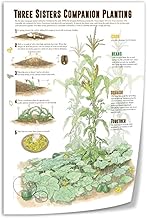
THREE SISTERS COMPANION PLANTING Chart PosterWall Art Canvas Printing Living Roo…
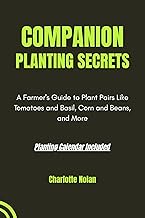
As an Amazon Associate, we earn from qualifying purchases. Prices and availability subject to change.
Practical Steps to Get Started with Three Sisters
The “Three Sisters” is a legendary companion planting strategy that interweaves corn, beans, and squash to create a mutually beneficial growing environment. This age-old method, rooted in Native American agricultural practices, not only optimizes garden yields but also enriches the soil and naturally deters pests. If you’ve been considering introducing companion planting into your garden, starting with the Three Sisters can be rewarding and efficient.
To embark on your Three Sisters journey, begin by choosing the right varieties of each plant. Corn, the tallest of the trio, serves as the support structure for beans. Opt for a vigorous climbing bean such as pole beans, which will wrap around the corn stalks effectively. Meanwhile, squash, which includes both summer and winter varieties, acts as a natural mulch, shading the soil and maintaining moisture. Selecting species that thrive in your climate will ensure robust growth and a bountiful harvest.
Timing is crucial when planting the Three Sisters. Start by planting corn first, allowing it to grow at least six inches before introducing beans. This staggered planting ensures the corn is sturdy enough to support the climbing beans. After the beans start to sprout, plant squash seeds around the perimeter of your plot. This sequence not only supports structural integrity but also maximizes each plant’s growth potential.
Setting Up the Three Sisters Planting Bed
For an optimal setup, consider creating small mounds that mimic traditional planting methods. Research suggests mounds of about 12 inches high and three feet apart facilitate better drainage and root growth. Plant four to six corn seeds in a circle on each mound, followed by a few bean seeds around the corn. Lastly, position the squash seeds around the base. This configuration promotes synergy among the plants, enhancing their natural benefits.
One common concern gardeners face is pest control. Fortunately, the Three Sisters setup naturally deters pests. Corn provides a physical barrier, beans fix nitrogen in the soil, supporting healthy growth, while the large leaves of squash deter weeds and pests. However, if pest issues arise, consider using organic repellents or introducing beneficial insects to maintain a healthy garden ecosystem.
To further enhance your gardening efforts, consider integrating sustainable practices such as the olla watering system. This method conserves water and ensures consistent moisture levels, which is particularly advantageous in arid regions. Additionally, drawing inspiration from urban farming initiatives, such as rooftop food production, can provide innovative ideas for maximizing small spaces.
Ultimately, the Three Sisters is more than just a planting technique; it’s a holistic approach to gardening that fosters biodiversity and sustainability. By understanding and implementing these practical steps, you can transform your garden into a thriving, interconnected ecosystem. Embrace this time-tested method and experience the benefits of nature’s own companion planting strategy, all while contributing to a healthier, more sustainable environment.
Common Mistakes to Avoid
The Three Sisters planting method, a time-honored companion planting strategy, has been used for centuries by Indigenous peoples of North America. This method involves growing corn, beans, and squash together in a symbiotic relationship that benefits all three plants. However, even the most seasoned gardeners can make mistakes when implementing the Three Sisters. By understanding these common pitfalls, you can cultivate a thriving garden and enjoy the full benefits of this ancient technique.
One common mistake is choosing the wrong varieties of each plant. Not all corn, beans, and squash are created equal, and selecting the right types is crucial for success. For instance, it’s essential to use pole beans rather than bush beans because they will climb the corn stalks, providing natural support. Similarly, choosing corn varieties that grow tall and sturdy will help support the beans effectively.
Improper spacing is another issue that can severely impact the success of the Three Sisters. The traditional planting method involves creating small mounds with enough space between them to allow each plant to thrive. Overcrowding can lead to competition for nutrients and sunlight. Corn should be planted first to allow it to establish itself, followed by beans and squash a couple of weeks later. This staggered planting reduces competition and allows each plant to fulfill its role in the partnership.
Avoiding Soil and Watering Mistakes
Soil quality is a critical factor in the success of the Three Sisters. Ensure your soil is rich in organic matter to support the heavy feeding requirements of corn and squash. Adding compost or well-rotted manure before planting can significantly improve soil fertility. To optimize water use, consider implementing an olla watering system, a traditional technique that delivers water directly to the roots, minimizing evaporation and runoff. More detailed information about this method is available in various companion planting resources, such as this guide.
Watering inconsistencies can also hinder plant growth. Corn, beans, and squash each have specific watering needs, and improper watering can lead to stress and reduced yields. It’s crucial to maintain consistent moisture levels in the soil, especially during critical growth phases. An innovative approach like the Secret Rainwater Rewards Program can help manage water use efficiently, reducing waste and ensuring your plants receive the moisture they need.
Another mistake is neglecting pest management. The Three Sisters can naturally deter some pests, but they are not immune to all threats. Regular monitoring and implementing eco-friendly pest control strategies can prevent infestations. For example, using natural predators or barriers can be effective without resorting to chemical pesticides. For more eco-friendly techniques, check out this guide on sustainable practices.
Lastly, failing to consider local climate conditions can affect the success of your Three Sisters garden. While this method is adaptable to various climates, it’s essential to select plant varieties suited to your specific region. Researching local growing conditions and consulting resources like The Old Farmer’s Almanac can provide valuable insights into the best practices for your area.
In conclusion, while the Three Sisters is a powerful companion planting strategy, it requires careful planning and execution. By choosing the right plant varieties, managing spacing and soil quality, maintaining consistent watering practices, and addressing pest issues, you can avoid common mistakes and enjoy a fruitful harvest. Whether you’re a beginner or an experienced gardener, understanding these elements will enhance your gardening success and yield abundant crops.
⚡ Pro-Level Three Sisters That Deliver Commercial Results




As an Amazon Associate, we earn from qualifying purchases. Prices and availability subject to change.
Real-World Success Stories
Companion planting is a time-tested strategy that gardeners have used for centuries to enhance plant growth and yields. One of the most famous examples is the ‘Three Sisters’ method, a technique that involves planting corn, beans, and squash together. This method has been adopted by gardeners worldwide and has resulted in numerous real-world success stories. These stories not only highlight the effectiveness of the Three Sisters method but also provide valuable insights into how companion planting can be optimized for different environments.
Historically, the Three Sisters method has its roots in Native American agriculture, where it was used to improve soil fertility and maximize crop yields. The corn provides a natural trellis for the beans, the beans fix nitrogen in the soil to nourish the corn, and the squash spreads out to suppress weeds. This symbiotic relationship is a perfect example of how companion planting can create a thriving and sustainable ecosystem. According to a source from The Old Farmer’s Almanac, the Three Sisters method significantly increases productivity in gardens.
In modern gardening, many enthusiasts have shared their success stories in various online communities. A Facebook group dedicated to sustainable gardening reported a member’s experience where implementing the Three Sisters method led to a 50% increase in their vegetable yield. This result underscores the potential of companion planting to boost production in home gardens, especially when traditional methods fall short.
Real-World Applications and Insights
Gardeners looking to adopt the Three Sisters method can benefit from specific insights drawn from these success stories. For instance, choosing the right varieties of corn, beans, and squash is crucial. As noted in the warning about cultivated varieties, selecting plants that are not well-suited to your climate or soil can undermine your efforts. Therefore, it’s essential to research and select varieties that thrive in your specific conditions.

Another critical aspect is soil preparation. The Three Sisters method requires nutrient-rich soil to support all three plants effectively. A gardener from the Cottage Peach Blog emphasized the importance of using organic compost to enrich the soil before planting. This step not only improves plant health but also enhances the overall success of the method.
Moreover, timing is everything. Planting the beans and squash after the corn has grown a few inches tall ensures that the corn has enough sunlight to thrive before the other plants begin to grow. This sequencing is crucial for maintaining balance among the plants and optimizing their growth potential. According to an article on Lemon8, careful timing can prevent competition for resources, leading to healthier crops.
Finally, proper spacing is vital for the success of the Three Sisters method. Overcrowding can result in competition for nutrients and sunlight, which can stifle growth. Experienced gardeners recommend planting corn in a block formation with beans and squash interspersed between rows. This arrangement maximizes space and allows each plant to benefit from the others.
In conclusion, the Three Sisters method is a powerful companion planting strategy that has proven its worth in various gardening contexts. By understanding and implementing the key principles of this method, such as selecting appropriate plant varieties, preparing the soil, timing plantings, and ensuring proper spacing, gardeners can significantly enhance their harvests. These real-world success stories demonstrate that with careful planning and execution, the Three Sisters method can transform any garden into a productive and sustainable space.
Future Trends and Innovations
The Three Sisters planting method, a time-honored companion planting strategy, is gaining new relevance as gardeners and agriculturalists look to the future. This ancient technique, which integrates corn, beans, and squash, is not only a testament to indigenous agricultural wisdom but also a fertile ground for innovation and future trends. As sustainable agriculture becomes increasingly crucial, understanding the potential of the Three Sisters is more important than ever.
Traditionally, the Three Sisters are planted together because each plant offers something unique. Corn provides a natural trellis for beans, beans enrich the soil with nitrogen, and squash spreads along the ground, suppressing weeds. This synergy makes them an excellent model for companion planting. However, modern agriculture is now exploring how technology can enhance this symbiotic relationship. For instance, using precise data analytics to optimize planting schedules and soil conditions can significantly boost yields. According to one study, companion planting alone can increase yields by up to 60% within a single season.
In the realm of soil health, recent research focuses on the role of mycorrhizal fungi in the Three Sisters system. These fungi form symbiotic relationships with plant roots, enhancing nutrient and water uptake. The integration of advanced soil monitoring techniques can help farmers better manage these beneficial fungi, improving plant health and yield. For more on how underground root structures can boost productivity, see this article.
Innovations in Water Management
Water conservation is another area where the Three Sisters method is seeing innovation. The use of olla watering systems, which involves burying clay pots that slowly release water, complements the natural water needs of these plants. This technique can significantly reduce water usage while maintaining optimal soil moisture. As cited in a recent blog post, olla systems have shown promising results in arid regions.

Moreover, the introduction of soilless farming techniques, such as hydroponics and aquaponics, offers exciting possibilities for the Three Sisters. Although traditionally soil-based, these plants can adapt to soilless environments, potentially increasing yields by up to 300%. For more insights, explore this breakthrough in soilless farming.
Climate change poses significant challenges to agriculture, but the resilience of the Three Sisters makes them well-suited to adaptive strategies. By selecting drought-tolerant or pest-resistant varieties, farmers can enhance the resilience of these crops. According to a discussion in a popular gardening group, integrating climate-smart practices with traditional methods can create robust agricultural systems.
Finally, the cultural significance of the Three Sisters cannot be overstated. Promoting this method in community gardens and educational programs helps preserve indigenous knowledge and encourages biodiversity. As highlighted in The Old Farmer’s Almanac, the educational value of this practice is immense, fostering a deeper connection with the land.
In summary, the future of the Three Sisters in companion planting is bright, with numerous innovations enhancing this traditional method. From advanced soil and water management techniques to the exploration of soilless farming, these developments promise to make the Three Sisters more effective and sustainable. As we continue to face global agricultural challenges, the blend of ancient wisdom and modern science offers a promising path forward.
Looking for products related to this topic?
Conclusion: Your Next Steps
Embracing the wisdom of companion planting, particularly the Three Sisters method, can transform your gardening experience into a more productive and sustainable endeavor. By combining corn, beans, and squash, you harness the power of nature’s symbiosis. Corn provides a sturdy structure for beans to climb, beans enrich the soil with nitrogen, and squash shades the ground, reducing weeds and moisture loss. This harmonious trio exemplifies how strategic planting can yield bountiful results.
Incorporating companion planting into your garden not only boosts crop yields but also fosters a healthier ecosystem. The diversity of plants naturally deters pests and attracts beneficial insects, reducing the need for chemical interventions. Additionally, the Three Sisters method showcases how traditional practices can guide modern-day gardening, promoting resilience and sustainability.
Now is the perfect time to implement these strategies in your garden. Imagine the satisfaction of harvesting a thriving, diverse crop, knowing you’ve contributed to environmental health. Don’t wait—start planning your own Three Sisters garden today. Delve into the art of companion planting and witness firsthand the transformative power it holds. Your garden’s potential is limitless when you act now!
From Our Network
GreenChoice Affiliates — Eco-friendly product reviews for sustainable living
FarmsFlo — Free farm management app for planting schedules, harvests, and operations
BoingyBooks — Publish and discover ebooks, interactive read-alongs, and audiobooks
Leave a Reply
You must be logged in to post a comment.