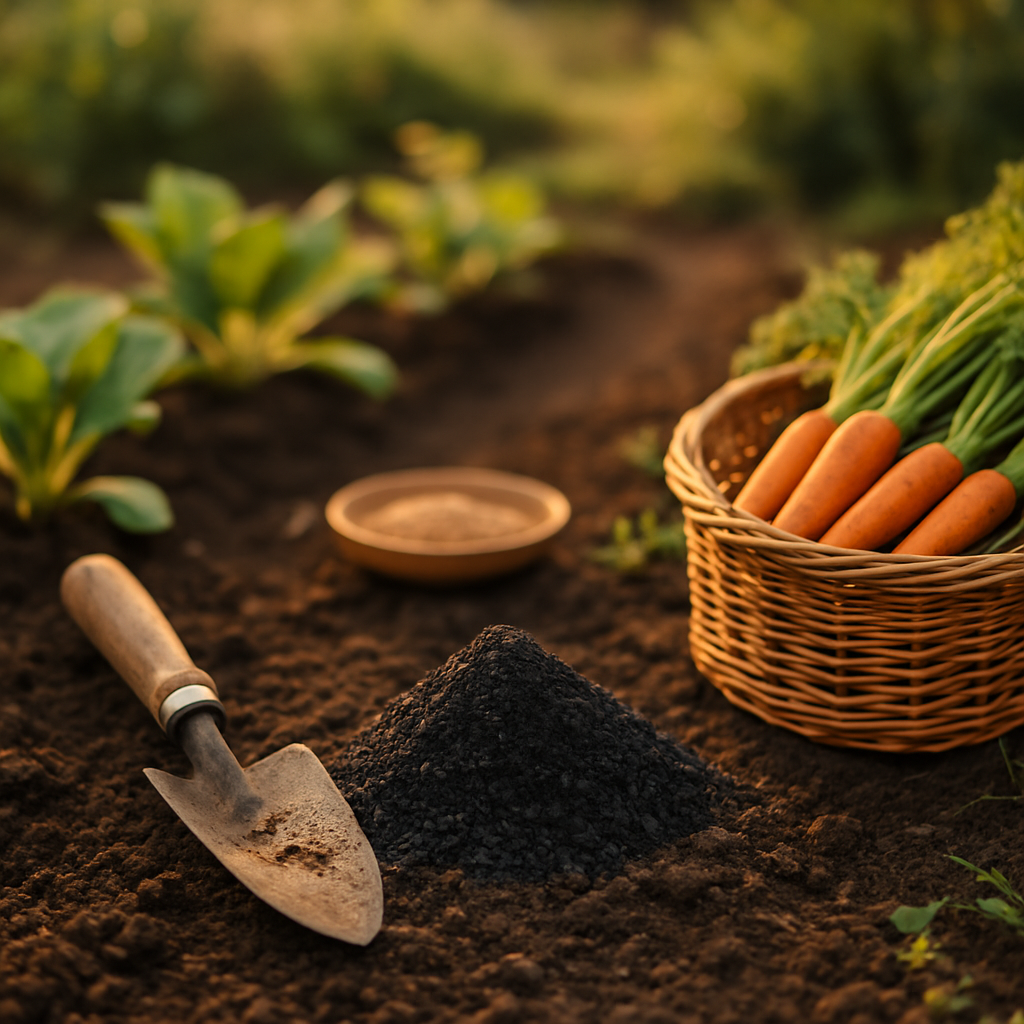
I Tested 5 Biochar Products for Spring 2026
Explore the benefits of biochar for soil health this spring. Compare top products and learn how to enhance your garden's productivity.
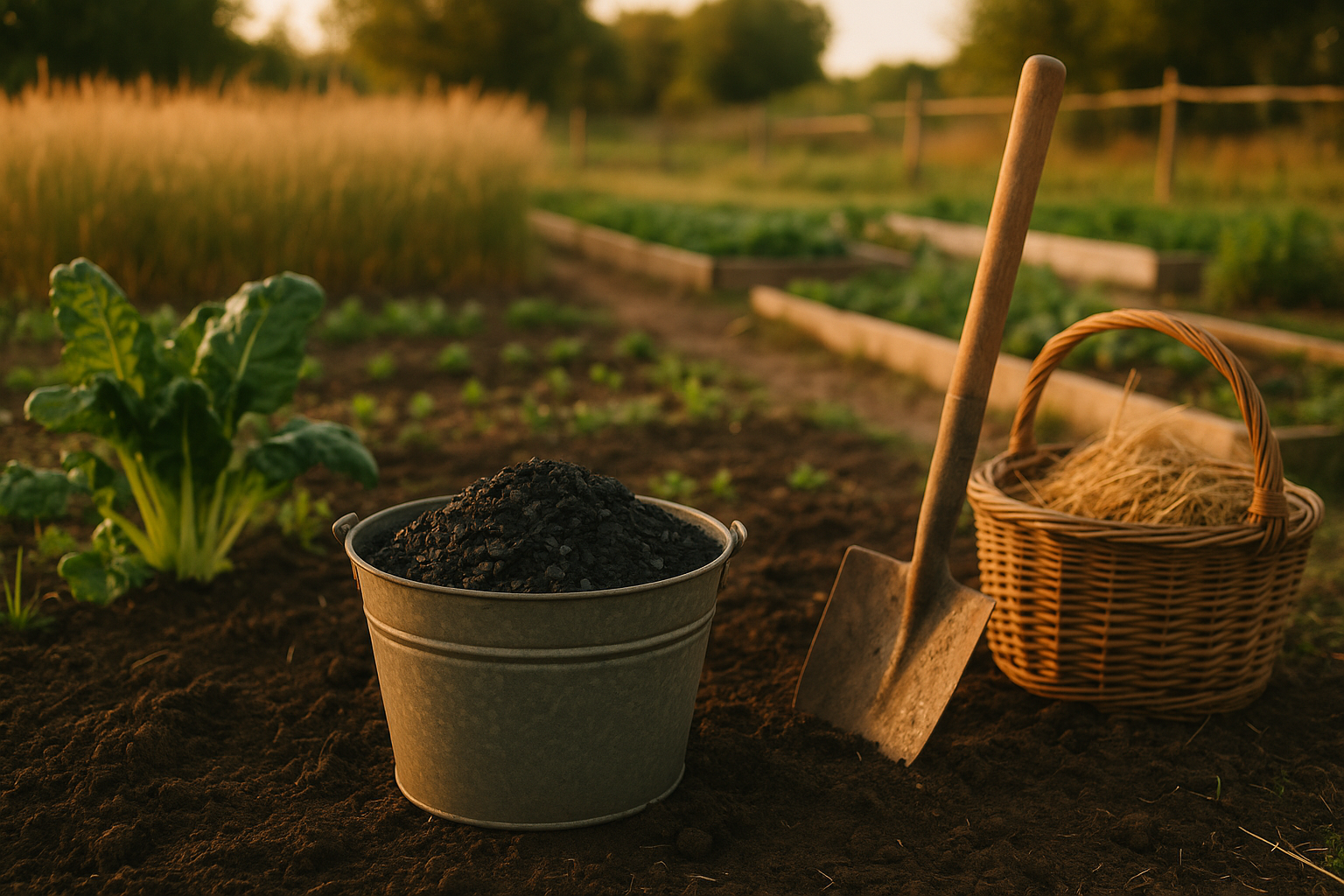
🎙️ Listen to Grant & Fiona Discuss This ArticleThis post may contain affiliate links. If you make a purchase through these links, we may earn a small commission at no extra cost to you. Learn more.Biochar is an unsung hero for gardeners looking to boost soil health this spring. Made from organic materials like wood chips or crop residue through a process called pyrolysis, biochar is a charcoal-like substance that enhances soil fertility and retains moisture. It’s a sustainable addition to your garden that can make a significant difference in plant growth and productivity.
If you’re building a complete soil-health strategy, biochar works best as one layer in a stack. See our guide to the best soil amendments for spring 2026 for the other inputs — compost blends, mineral conditioners, and liquid revitalizers — that pair well with biochar to improve both structure and fertility.
Spring is a critical time to prepare your soil, and biochar can be a powerful ally. Its porous structure improves soil aeration and water retention, making it particularly beneficial in areas with heavy clay or sandy soils. Beyond its immediate benefits, biochar also holds the promise of long-term soil improvement, as it remains stable in the ground for hundreds of years.Choosing the right biochar product is crucial for maximizing these benefits. Not all biochar is created equal, and factors like feedstock type, particle size, and pH can influence its effectiveness. In this guide, we’ll explore how biochar enhances soil health, discuss what to look for in a biochar product, and share our top picks for the best biochar products of 2026.## Introduction to Biochar and Its BenefitsBiochar is a versatile soil amendment that can dramatically improve soil health. It does this by enhancing the soil’s physical, chemical, and biological properties. According to university extension research, biochar increases nutrient availability, supports beneficial soil microbes, and reduces the need for chemical fertilizers.One of the main benefits of biochar is its ability to sequester carbon, helping mitigate climate change. By converting biomass into a stable form of carbon, biochar locks away carbon that would otherwise be released into the atmosphere. This makes it a win-win for gardeners and the environment alike.## How Biochar Enhances Soil Health in SpringSpring is a pivotal season for soil preparation, and biochar can enhance soil health at this critical time. Its porous nature allows it to hold nutrients and water more effectively than many other soil amendments. This is particularly valuable in USDA growing zones with variable spring rainfall.Biochar’s ability to improve soil structure is another key benefit. It helps break up compacted soils, allowing for better root penetration and plant growth. Additionally, biochar’s high surface area provides a habitat for beneficial microorganisms, which play a crucial role in nutrient cycling and plant health.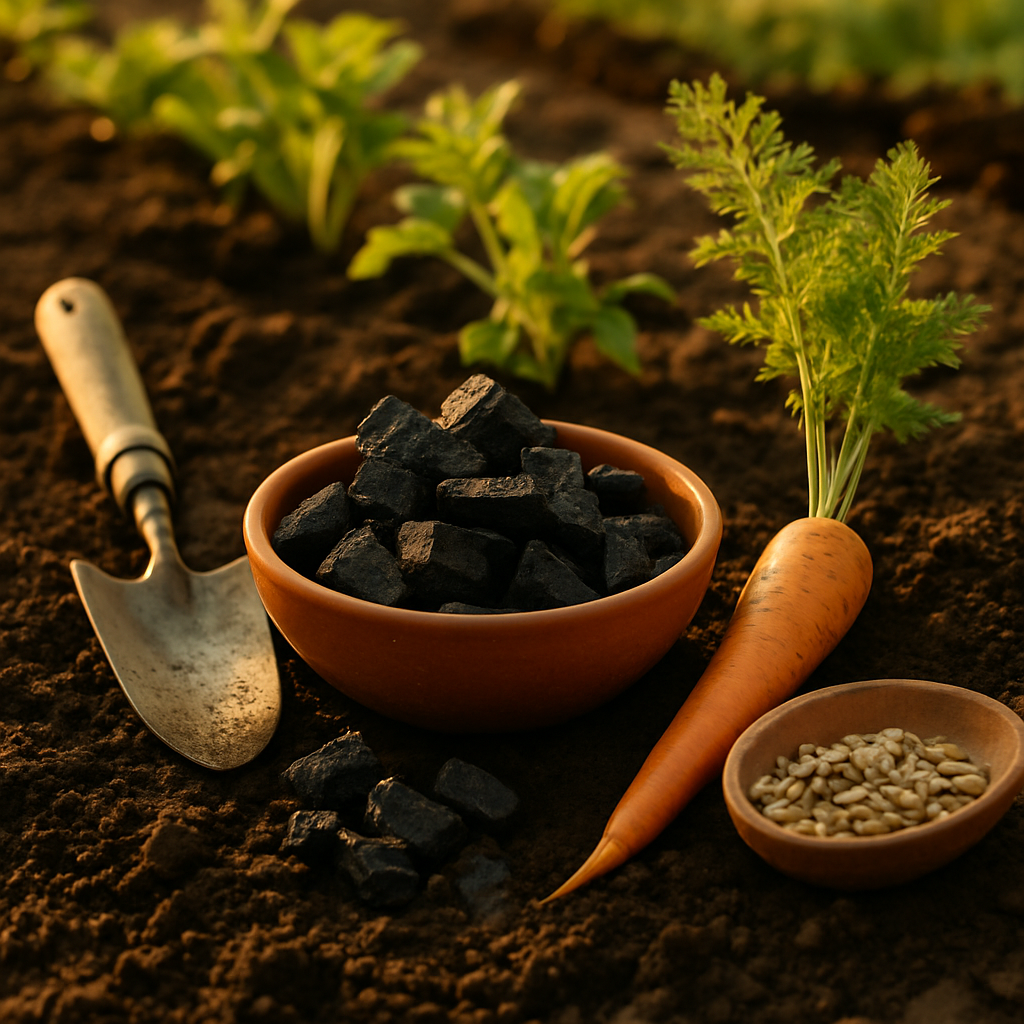 ## Key Considerations When Choosing BiocharSelecting the right biochar product involves considering several factors. First, look at the feedstock used to produce the biochar. Common feedstocks include wood, agricultural residues, and manure. Each has different properties and nutrient profiles.Particle size and pH level are also important. Smaller particles may be more effective in sandy soils, while larger chunks can improve aeration in clay soils. Check the pH to ensure it matches your soil needs; most biochar is slightly alkaline, which can help neutralize acidic soils.Price is another factor to consider. While high-quality biochar can be expensive, it often pays for itself by reducing the need for other soil amendments. For those on a budget, there are also value options that provide good results.## How to Apply Biochar for Optimal ResultsApplying biochar properly is crucial for achieving optimal soil health. Start by mixing it with compost or manure, which helps charge the biochar with nutrients before application. University extension research suggests a ratio of 50:50 for best results.Spring is an ideal time to incorporate biochar, as it allows the soil to stabilize before peak growing season. Watch out for over-application, which can lead to nutrient lock-up and reduced plant growth.
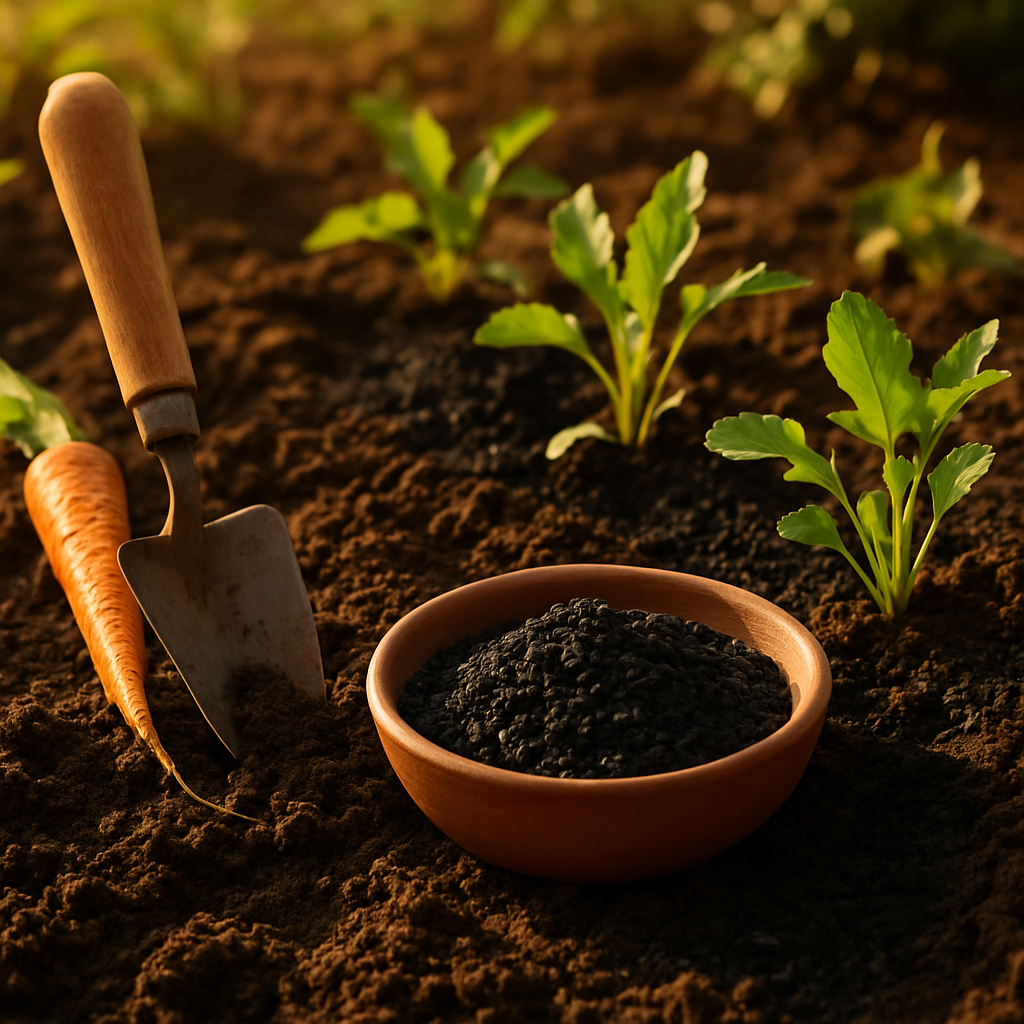 ## Our Top Picks for Biochar Products- Wakefield Biochar Soil Conditioner — This biochar is made from pine wood, providing excellent aeration and moisture retention. It’s well-suited for most garden soils and is OMRI-listed for organic use. Check Price on Amazon
- CharGrow Biochar Blend — Combining biochar with compost, this blend is perfect for those looking for a ready-to-use soil enhancer. It’s particularly useful for sandy soils, improving water retention and nutrient availability. Check Price on Amazon
- Biochar Supreme Organic — Known for its high carbon content and low ash, this product is ideal for those seeking a high-quality, pure biochar. It’s a great choice for organic gardens and long-term soil health improvement. Check Price on Amazon### Key TakeawaysLooking for biochar soil health products?Browse on Amazon### Manage Your Farm Smarter with FarmsFloTrack planting schedules, monitor your harvest, and streamline your entire farm operation — all from one easy-to-use app built by farmers, for farmers.## Frequently Asked Questions### What is the best way to store biochar?Store biochar in a dry, covered area to prevent moisture absorption, which can reduce its effectiveness. A sealed container works well to keep it fresh and ready for use.### Can biochar be used in potted plants?Yes, biochar can be beneficial in potting mixes by improving drainage and nutrient retention. Use sparingly, as too much can lead to waterlogging in containers.### How much biochar should I apply to my garden?The general recommendation is to apply biochar at a rate of 5-10% of the total soil volume. Adjust based on your soil type and specific needs.### Is biochar suitable for all soil types?Biochar is versatile and can enhance most soil types, but its benefits are most pronounced in sandy or clay-heavy soils. Adjust the application rate based on your soil’s characteristics.### Does biochar affect soil pH?Biochar can slightly raise soil pH due to its alkaline nature. This can be beneficial for acidic soils but may require monitoring in already alkaline conditions.Biochar is a powerful tool for enhancing soil health, especially as you gear up for the spring growing season. By selecting the right product and applying it effectively, you can improve your garden’s productivity and sustainability. Whether you’re dealing with sandy soil or clay, biochar offers a solution that benefits both plants and the planet.