Rude Insect
vegetable-gardening
Fall Seedbeds: Moisture, Spacing, and Time Left
Count back from your local frost date, keep the seedbed evenly moist, thin to packet spacing, and reach the bed without stepping in it this fall.
Sep 8, 2026
Grow a healthier, more productive vegetable garden with practical planting guides, troubleshooting advice, seed tips, and seasonal how-tos from Rude Insect.
14 articles
Count back from your local frost date, keep the seedbed evenly moist, thin to packet spacing, and reach the bed without stepping in it this fall.
Choose a fall raised-bed plan from your local frost timing, soil conditions, and spring plans. Compare garlic, quick greens, cover crops, and mulch.
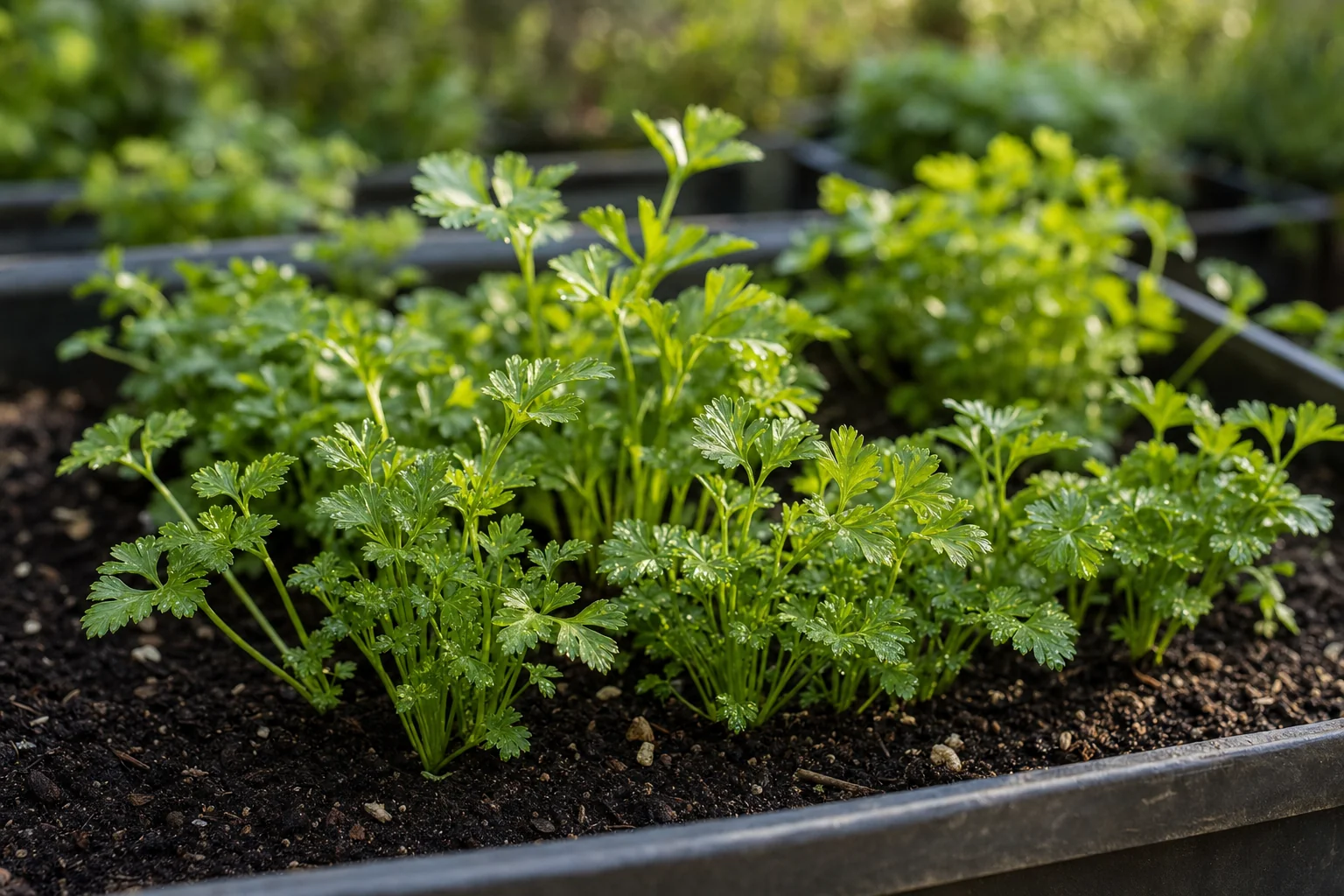
Troubleshoot slow parsley germination with source-based timing, seed quality, moisture and temperature checks before buying a heat mat or resowing.
Understand open-pollinated, heirloom, and F1 hybrid seeds, including pollination and isolation. Decide when saved seed is likely to resemble its parent plants.
Identify self-sown plants before keeping or eating them. Compare keep, move and remove decisions, with special caution for volunteer squash.
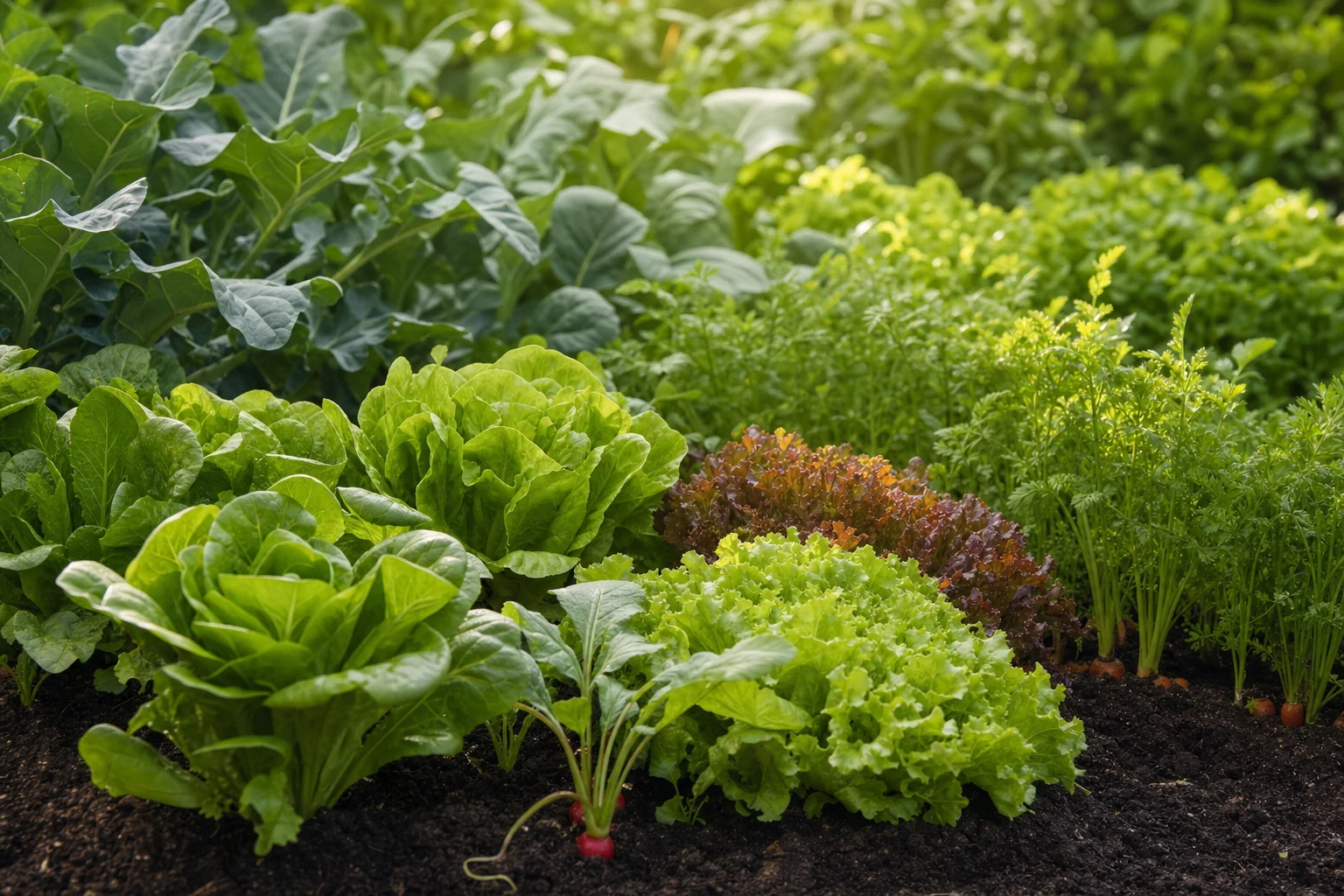
Compare lettuce companion plants for shade, pest cover, root competition, spacing, and succession planting in raised beds or patio planters.
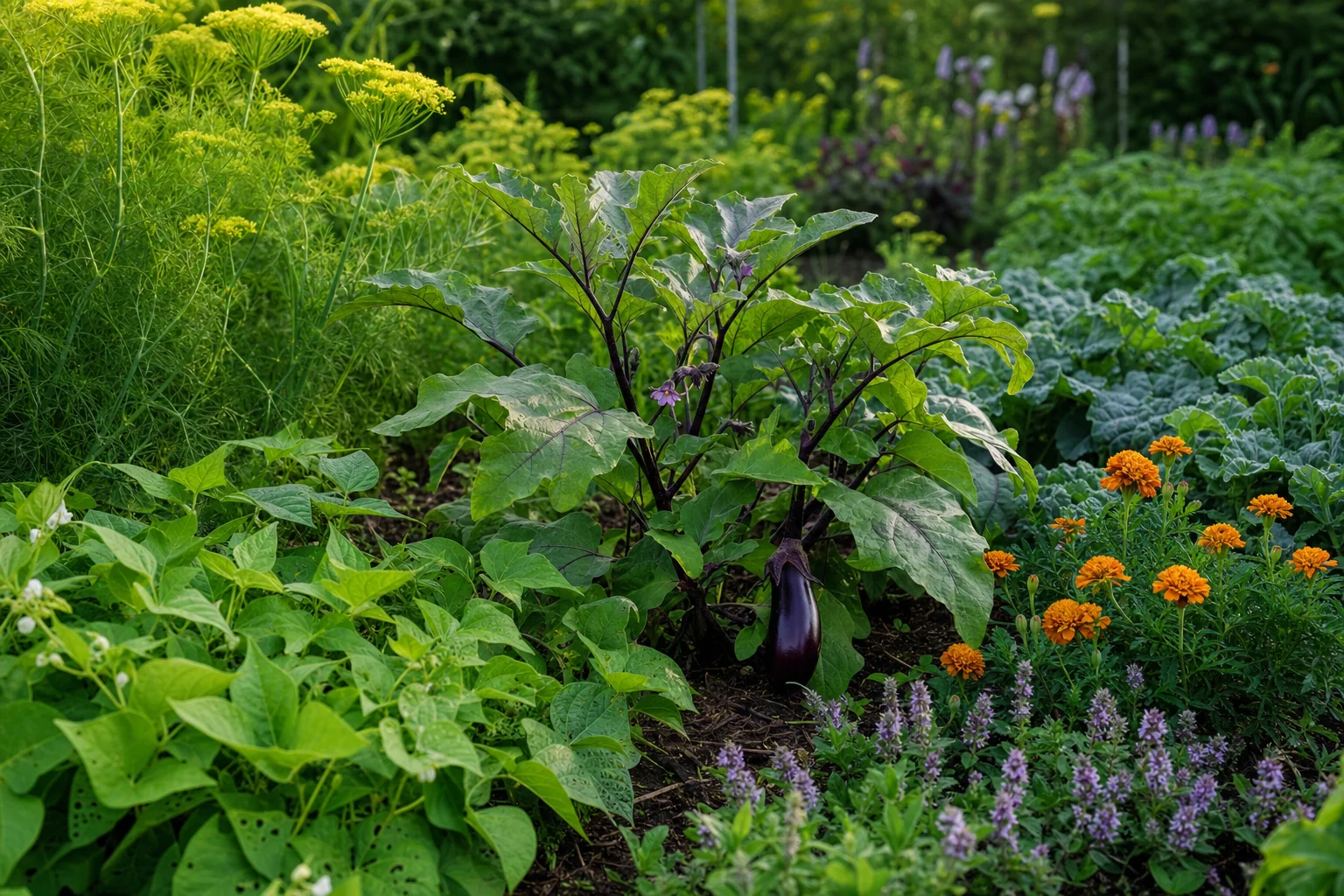
Compare eggplant companion plants for flea beetle pressure, soil coverage, spacing, and pollinator support in raised beds, rows, and containers.
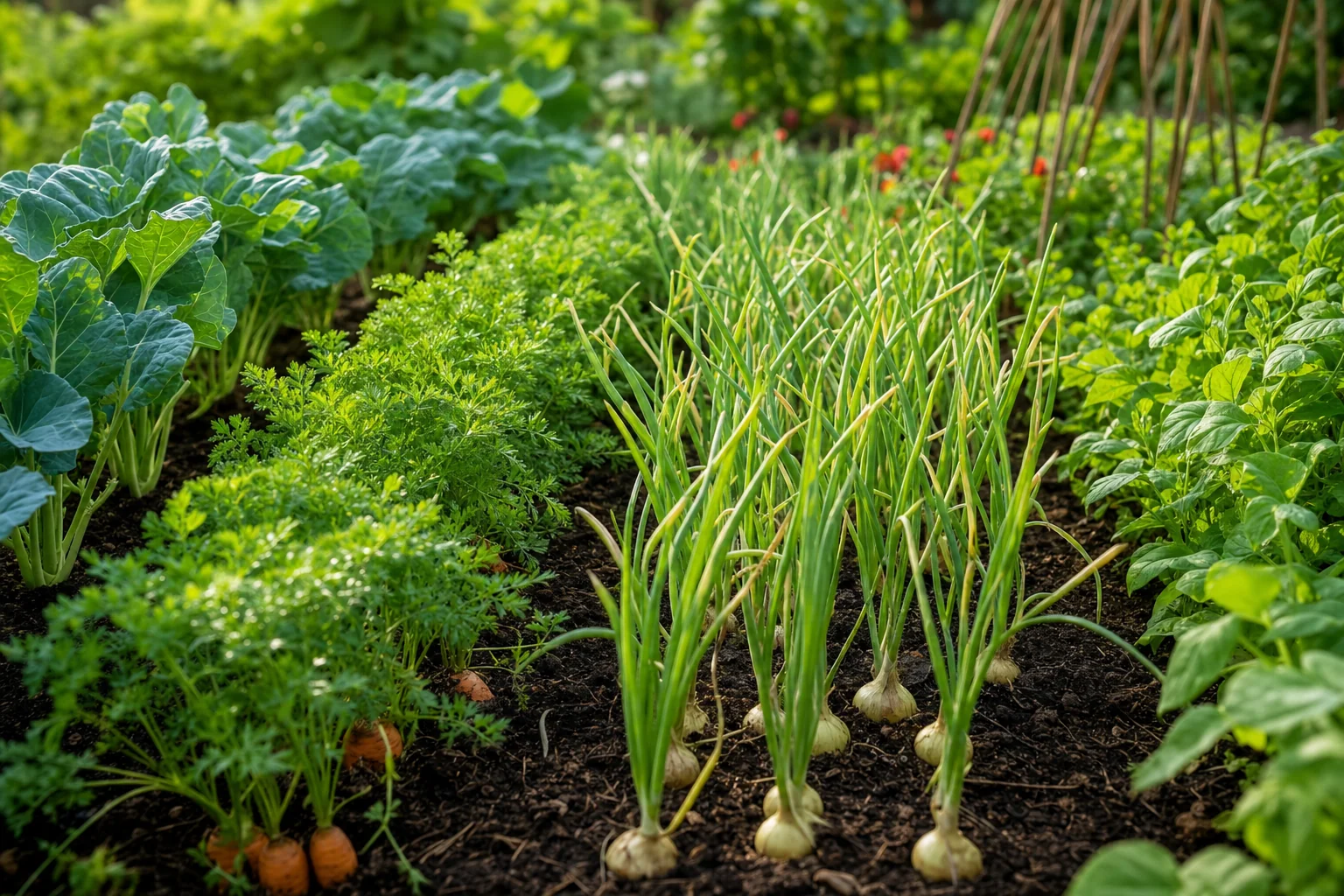
Plan onion companions around sunlight, root space, water needs, and harvest access. Learn why pairing charts cannot replace crop rotation and pest monitoring.
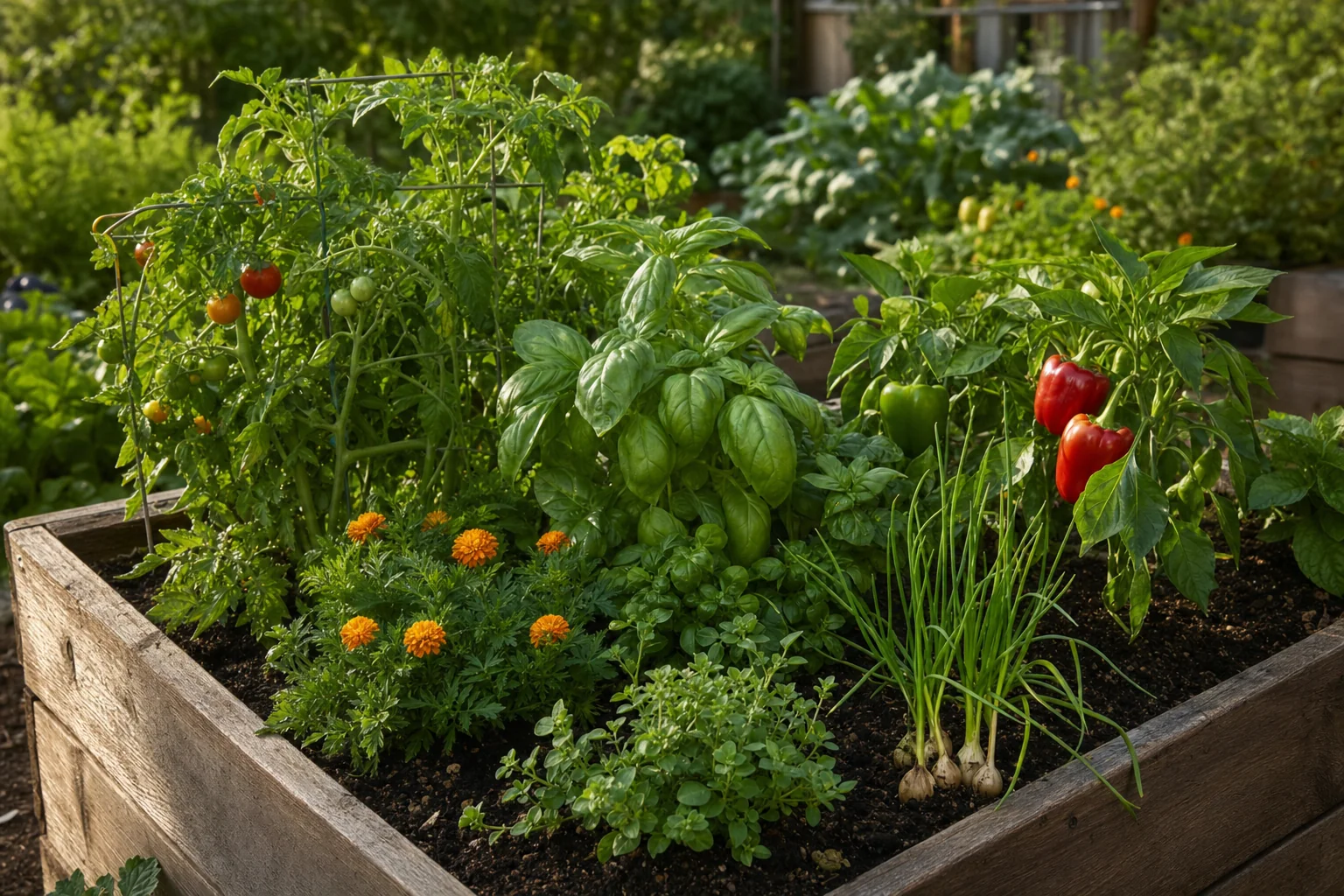
Place basil with crops that leave it enough warmth, light, airflow, and water. Compare planting layouts without relying on claims of automatic pest protection.
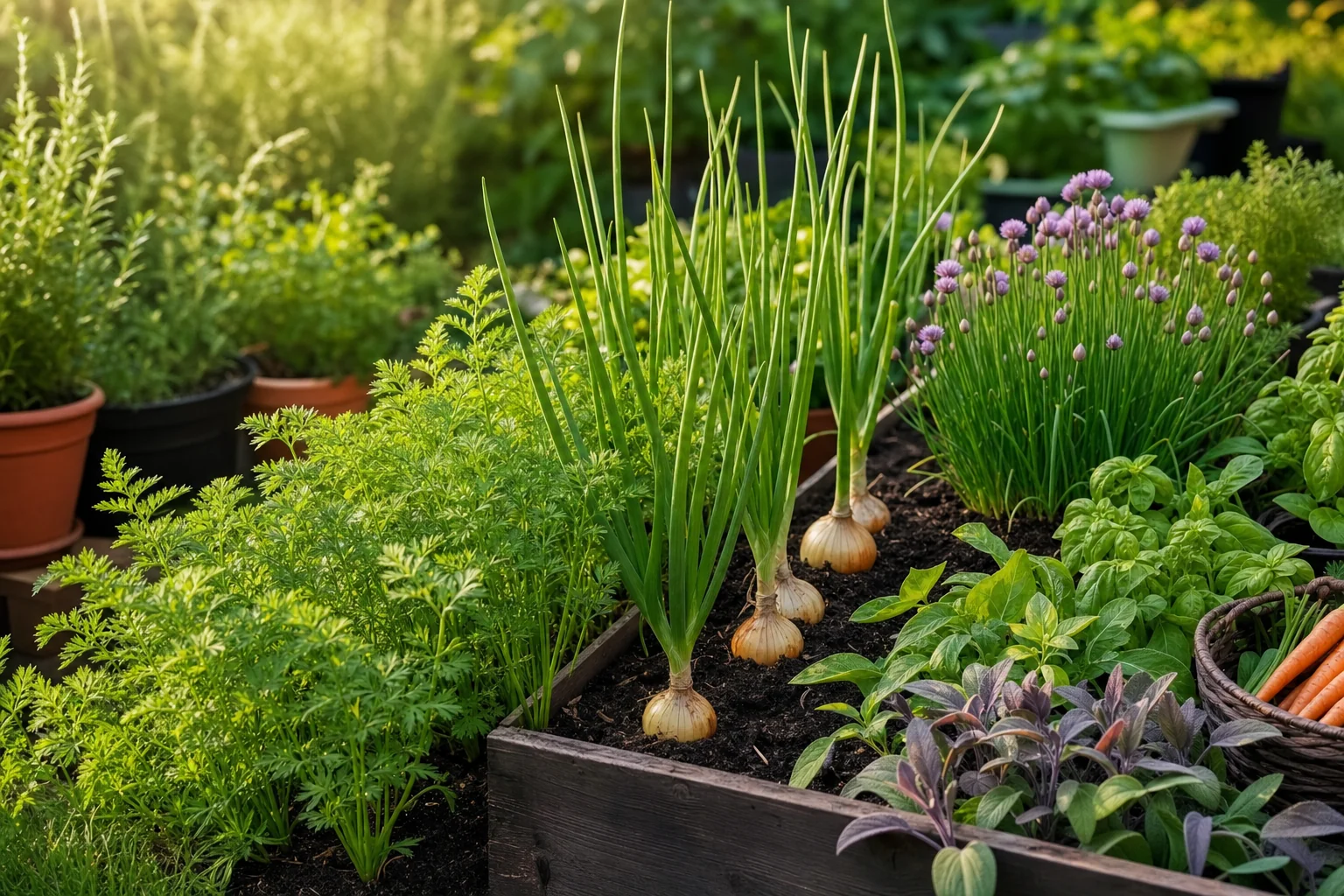
Plan carrot companions around germination moisture, root space, shading, and harvest timing. Use locally appropriate methods when carrot pests are present.
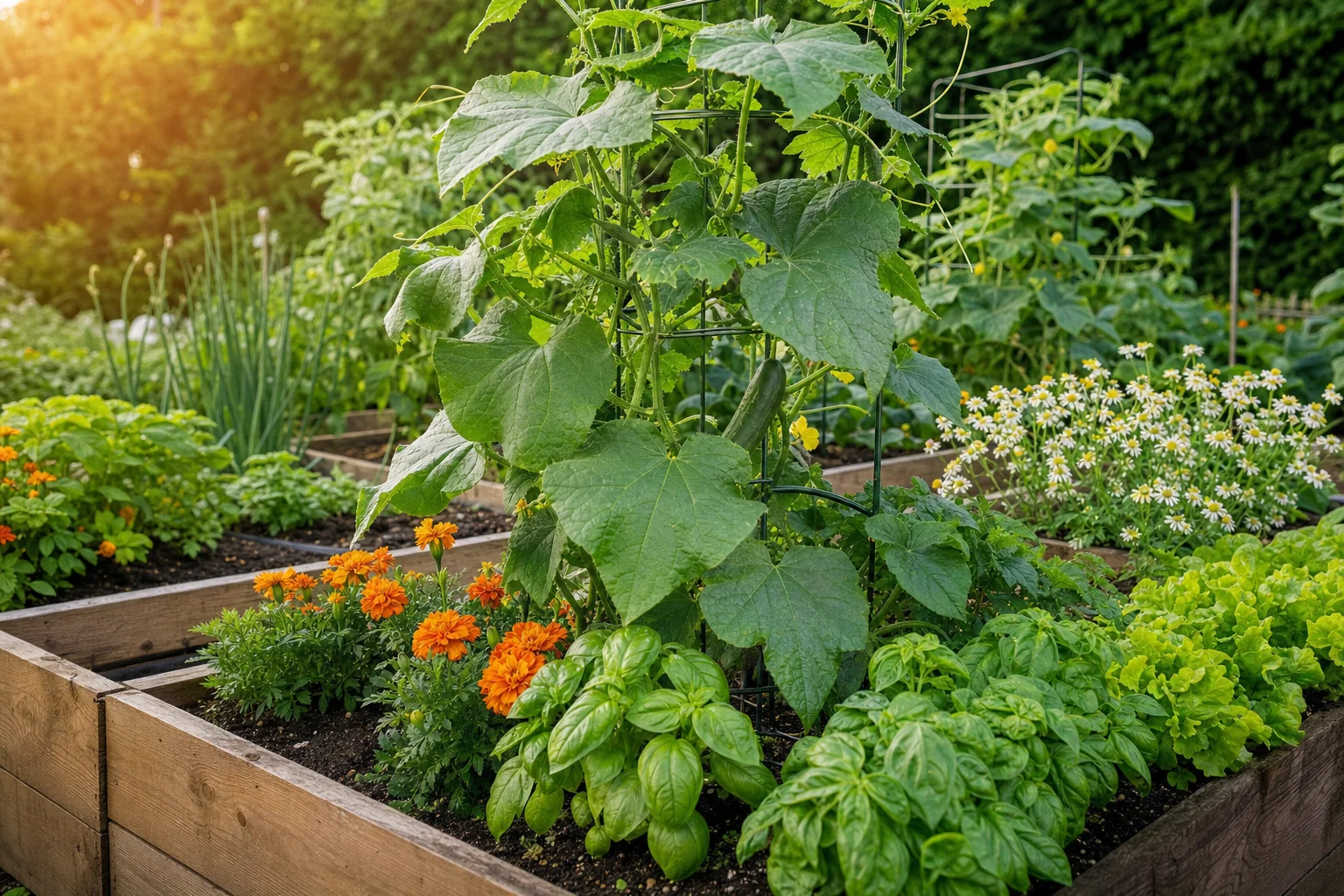
Plan cucumber neighbors around trellising, light, root space, irrigation, and airflow. Use monitoring and suitable controls when beetles or disease appear.
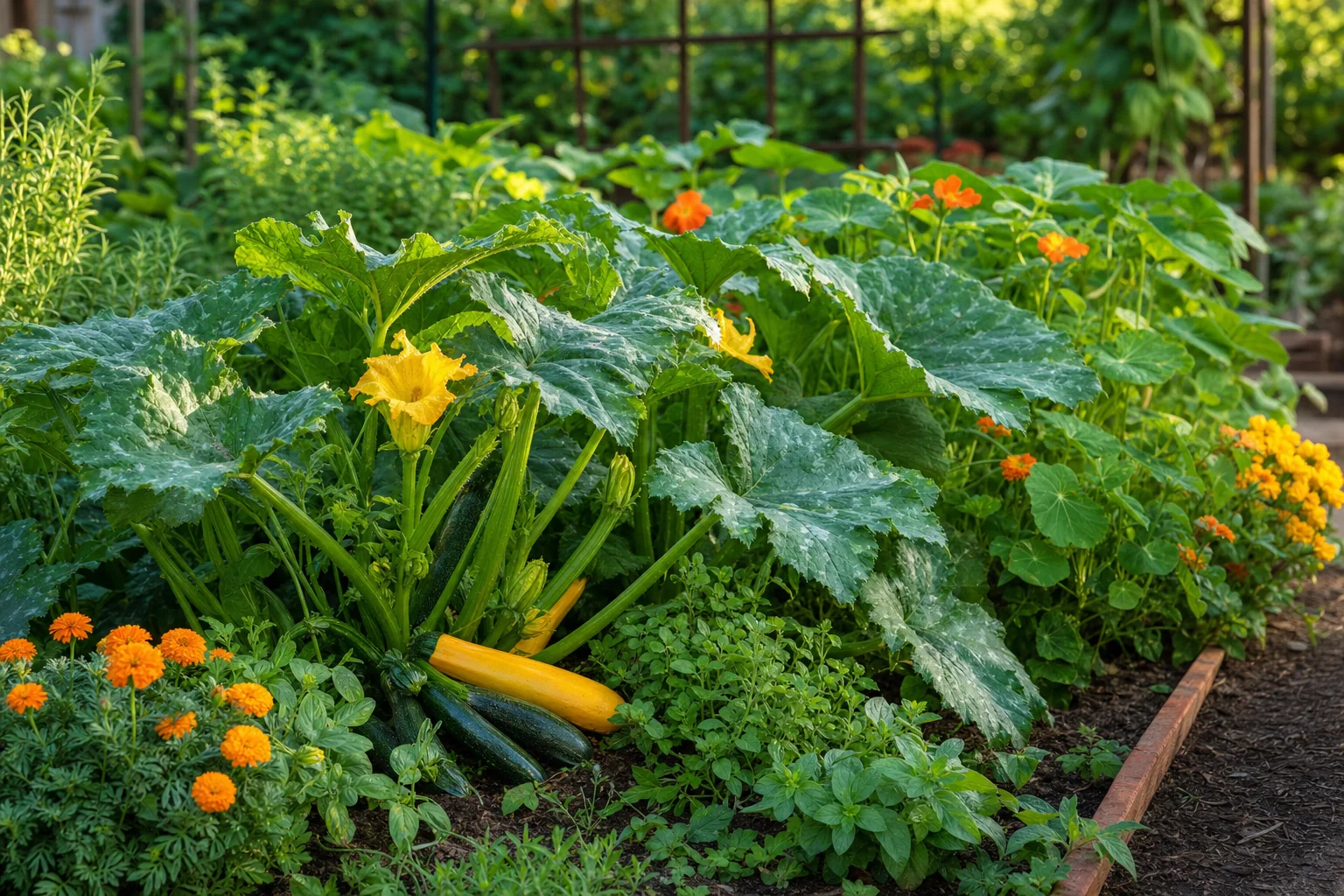
Plan squash neighbors around vine spread, airflow, pollination, and harvest paths. Compare suitable plantings without assuming companions will stop squash bugs.
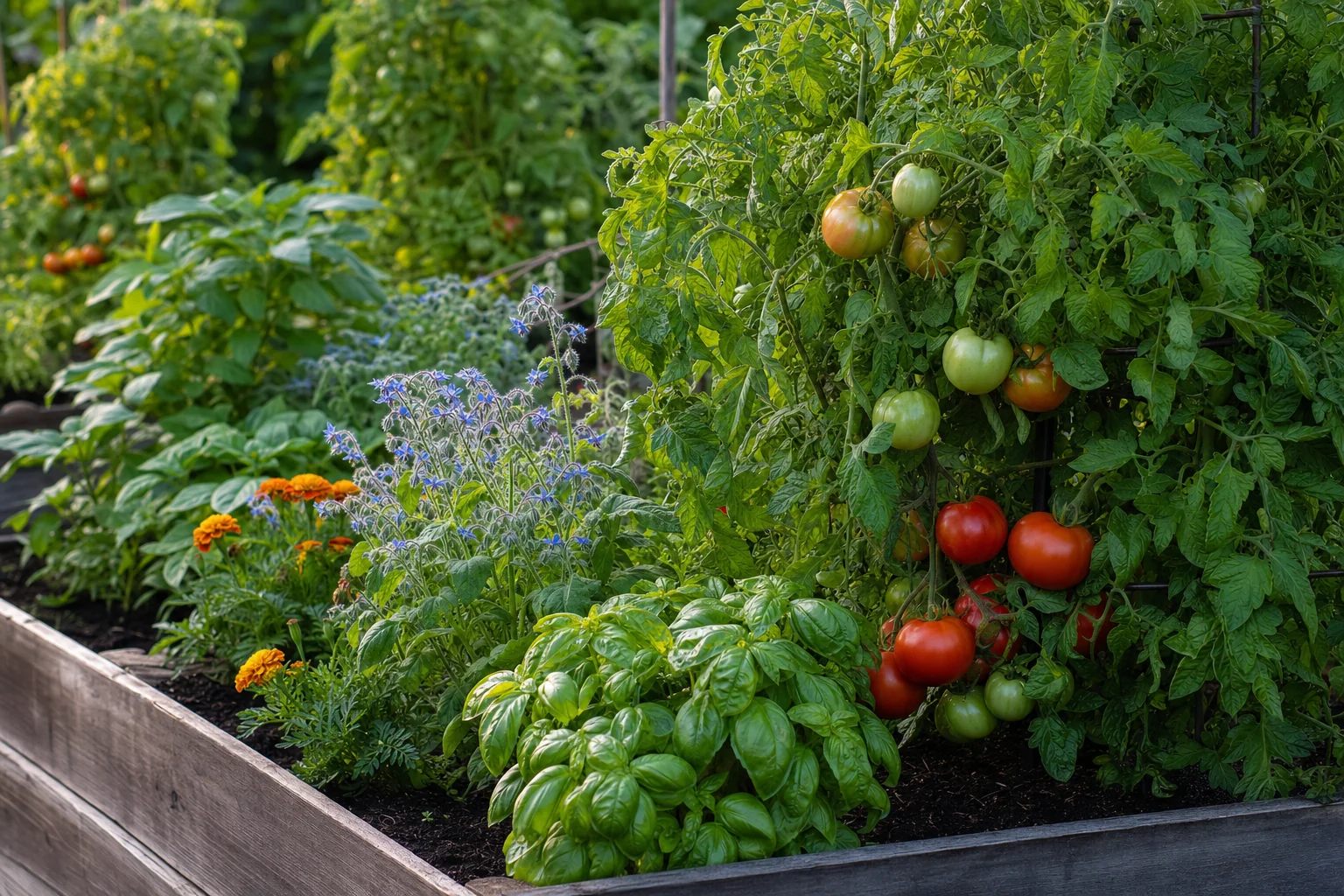
Choose tomato companions by mature spacing, sunlight, airflow, and harvest timing. Compare flowers, herbs, and vegetables without promising pest control.
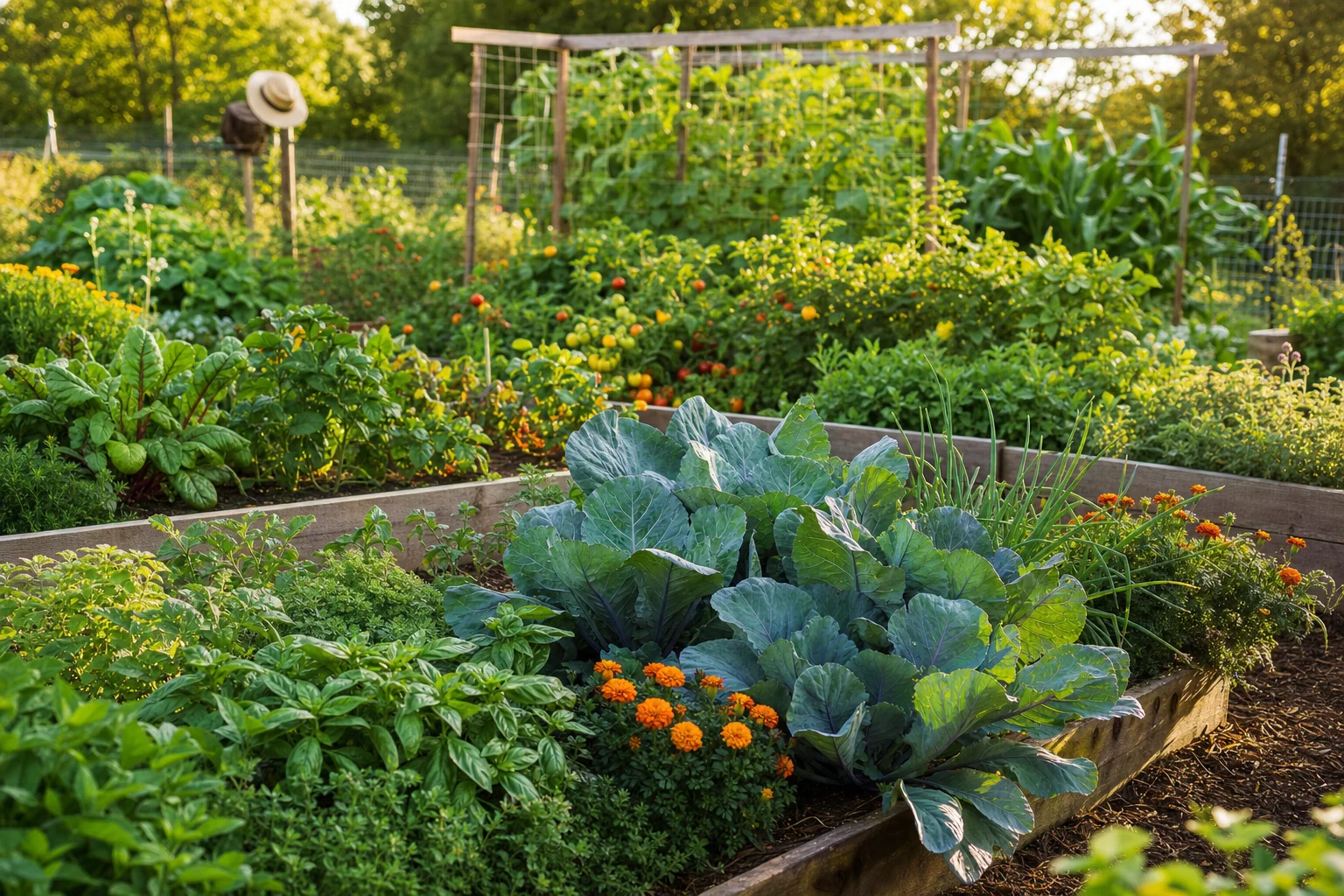
Plan vegetable companions around spacing, sunlight, harvest timing, and pollinator needs. Separate useful garden design from unsupported pairing claims.