Rude Insect
soil-health
Autumn Bed Inputs: Identify, Assess, Then Apply
Identify compost organisms versus jumping-worm soil, test whether compost is finished, then sheet-compost or incorporate only when soil moisture is right.
Sep 8, 2026
Browse Rude Insect garden articles, product-backed reviews, and practical homestead how-tos for vegetables, soil, compost, pest fixes, flowers, and gear.
Identify compost organisms versus jumping-worm soil, test whether compost is finished, then sheet-compost or incorporate only when soil moisture is right.
Count back from your local frost date, keep the seedbed evenly moist, thin to packet spacing, and reach the bed without stepping in it this fall.
Choose a fall raised-bed plan from your local frost timing, soil conditions, and spring plans. Compare garlic, quick greens, cover crops, and mulch.
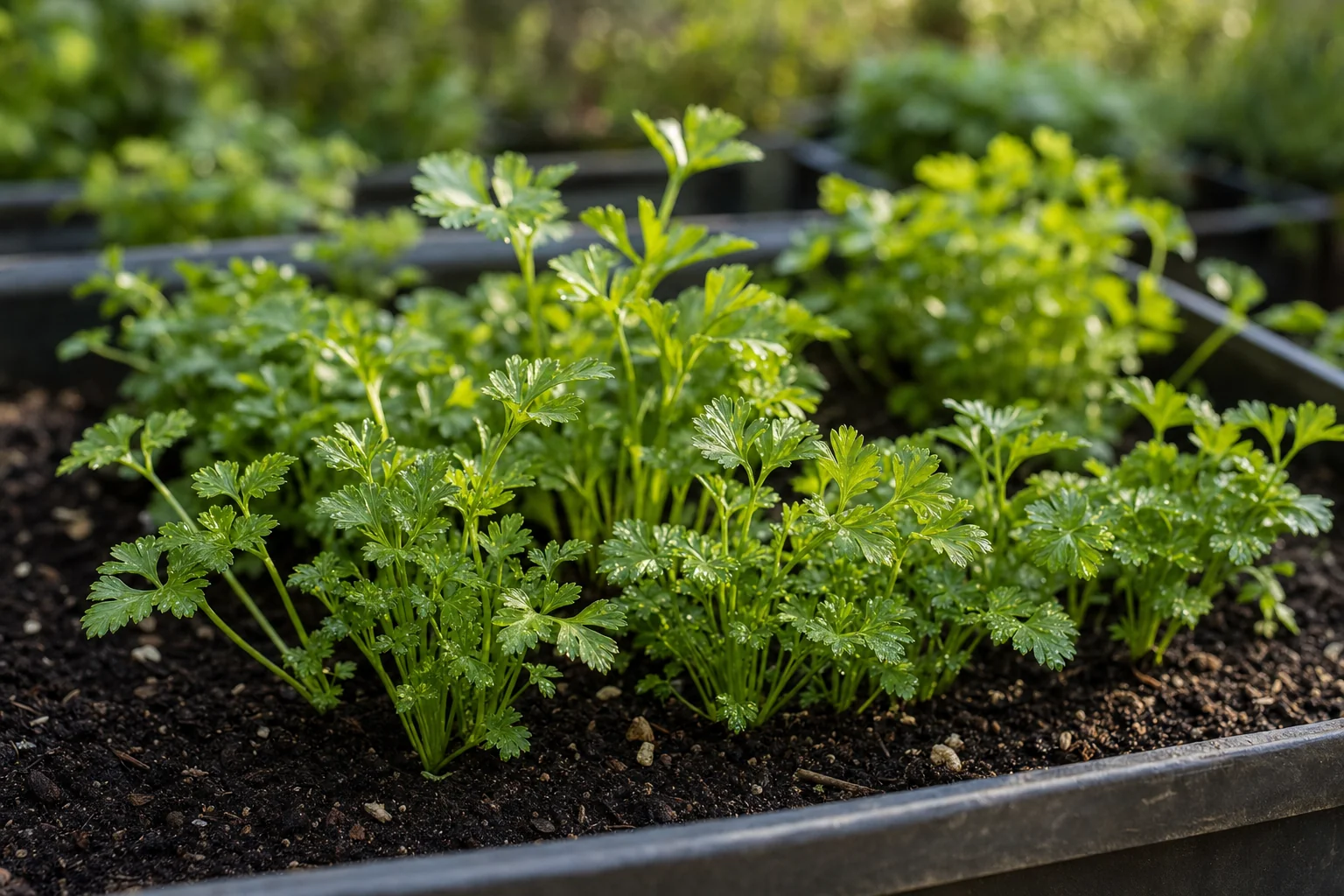
Troubleshoot slow parsley germination with source-based timing, seed quality, moisture and temperature checks before buying a heat mat or resowing.
Understand open-pollinated, heirloom, and F1 hybrid seeds, including pollination and isolation. Decide when saved seed is likely to resemble its parent plants.
Identify self-sown plants before keeping or eating them. Compare keep, move and remove decisions, with special caution for volunteer squash.
Learn when to tolerate plant-feeding insects, recognize natural enemies, monitor new damage and protect vulnerable crops with targeted action.
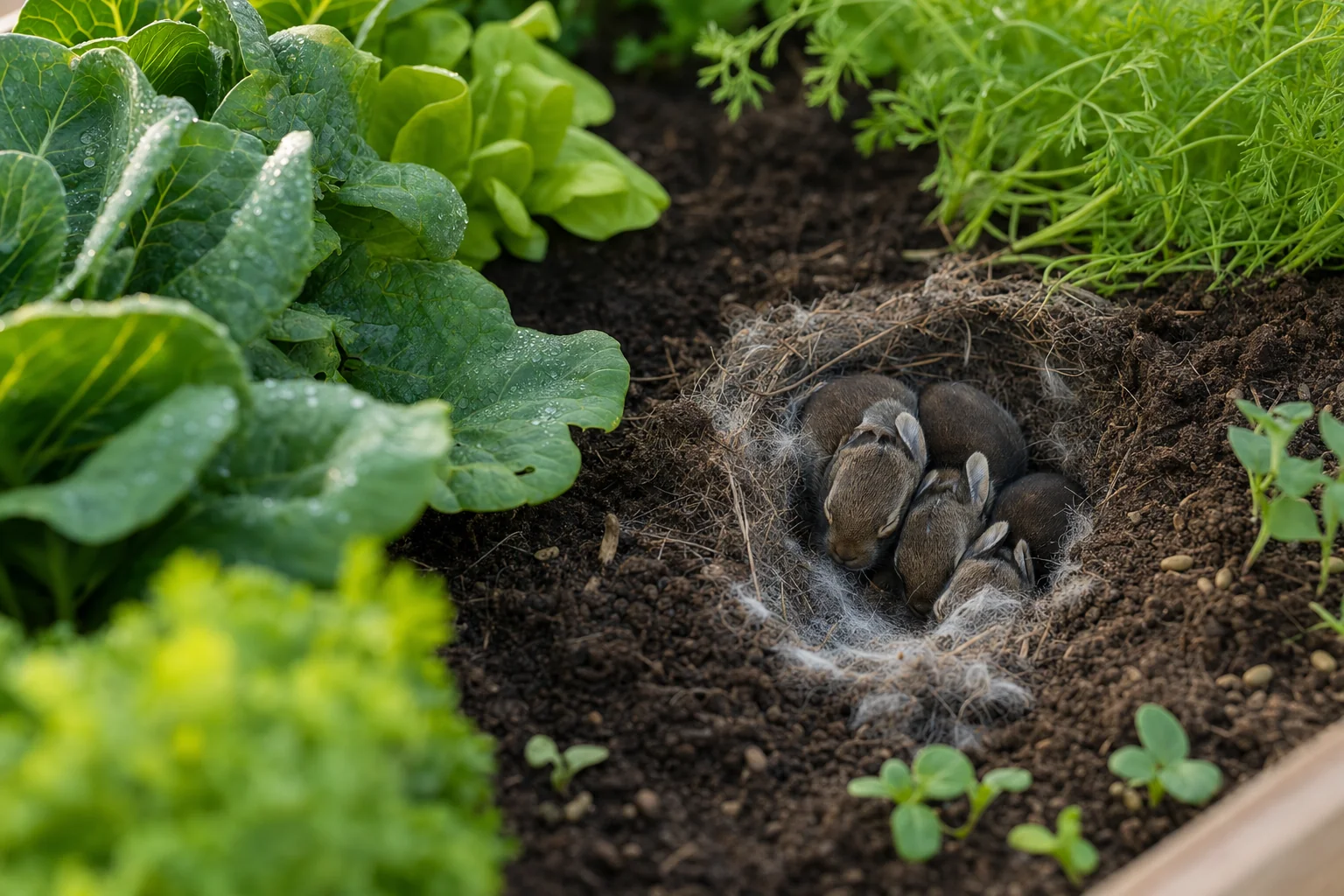
Learn what to do after finding a rabbit nest in a garden bed. Limit disturbance, keep pets away, and contact a licensed rehabilitator when needed.
Choose a file or stone, preserve the factory bevel, and check blade alignment. A practical sharpening guide for pruners, loppers, hoes and spades.
Use damage patterns and direct observations to identify likely garden pests, then match fences, covers and other protection to the animal.
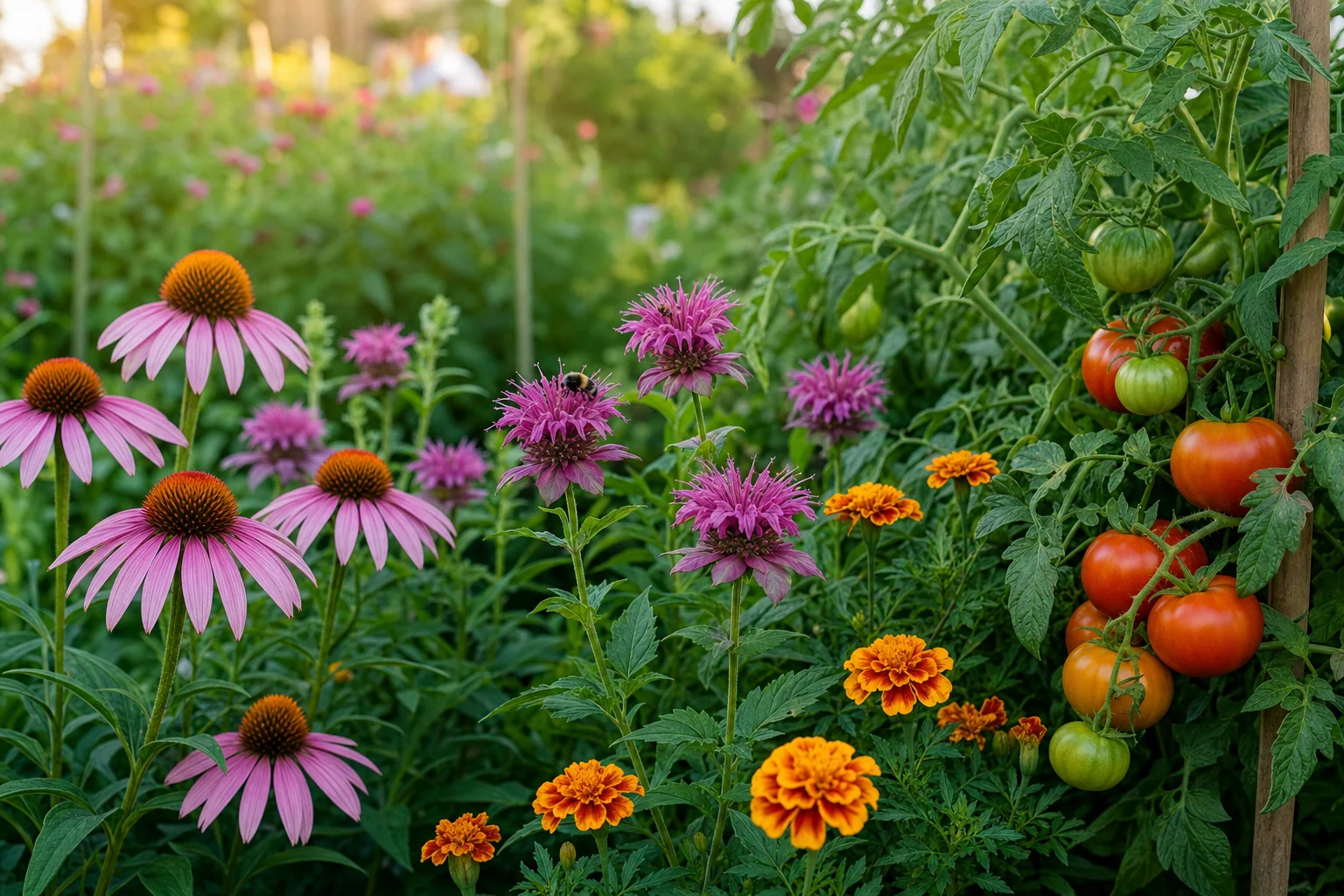
Compare bee balm, echinacea, and marigolds beside tomatoes by bloom timing, spacing, pollinator value, and extension-backed planting guidance.
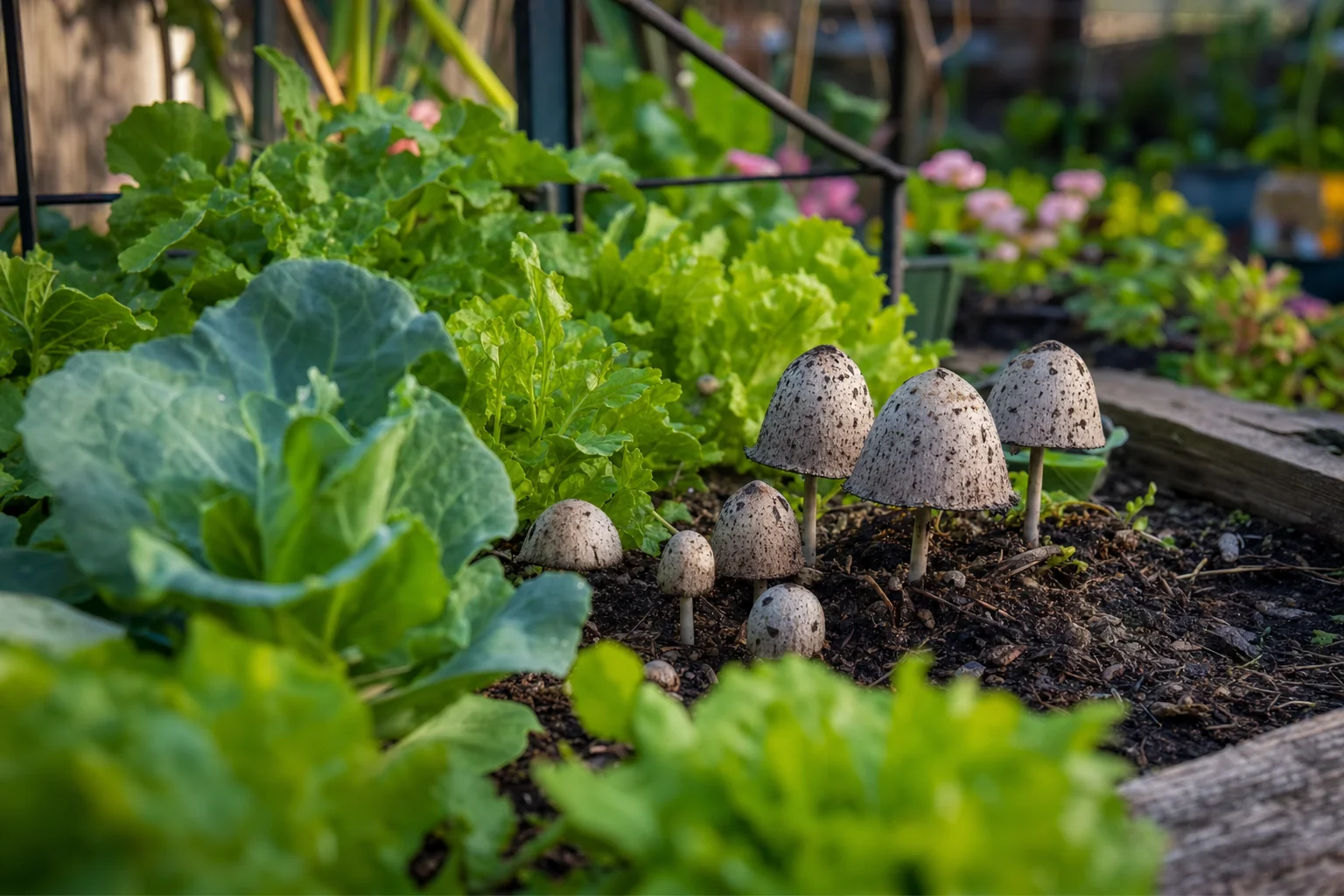
Learn why mushrooms appear in garden beds and when drainage needs attention. Never identify an edible mushroom from garden context alone.
Help beans through hot weather by checking planting time, soil moisture, mulch, and variety. Learn why heat can interrupt flowering and pod set.
Build a two-bay compost system with space for fresh material and a separate finishing pile. Plan access, drainage, sturdy walls, and safe materials.
Compare flower-bed preparation, edging, compost choices, and tool specifications for building a low-maintenance home garden.
Plan a chicken coop around usable flock space, drainage, ventilation, cleaning access and predator protection. Compare DIY and prefab choices before buying.
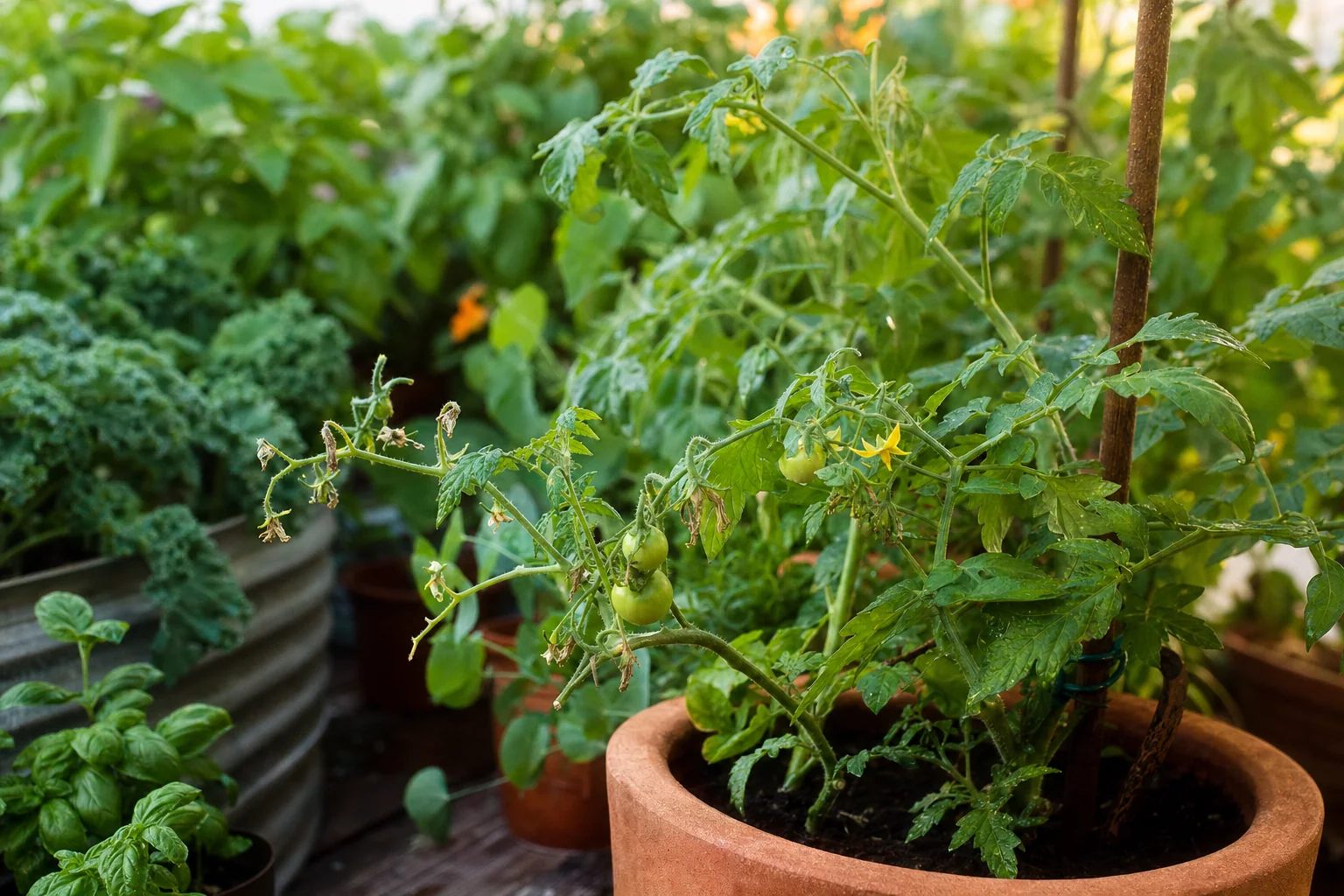
Troubleshoot container tomatoes that flower without setting fruit. Check heat, pollination, water consistency, nutrition, and variety before changing the setup.
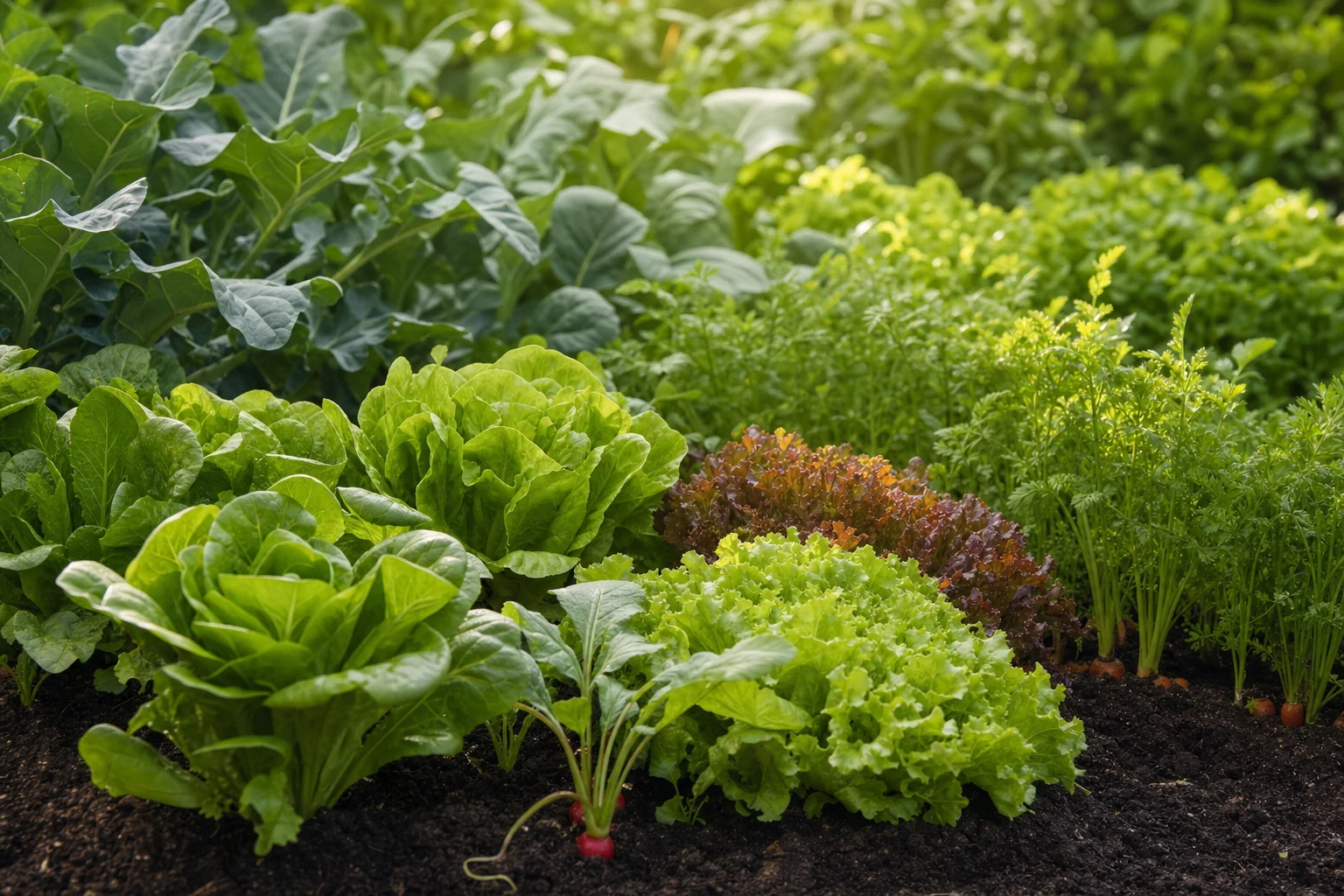
Compare lettuce companion plants for shade, pest cover, root competition, spacing, and succession planting in raised beds or patio planters.
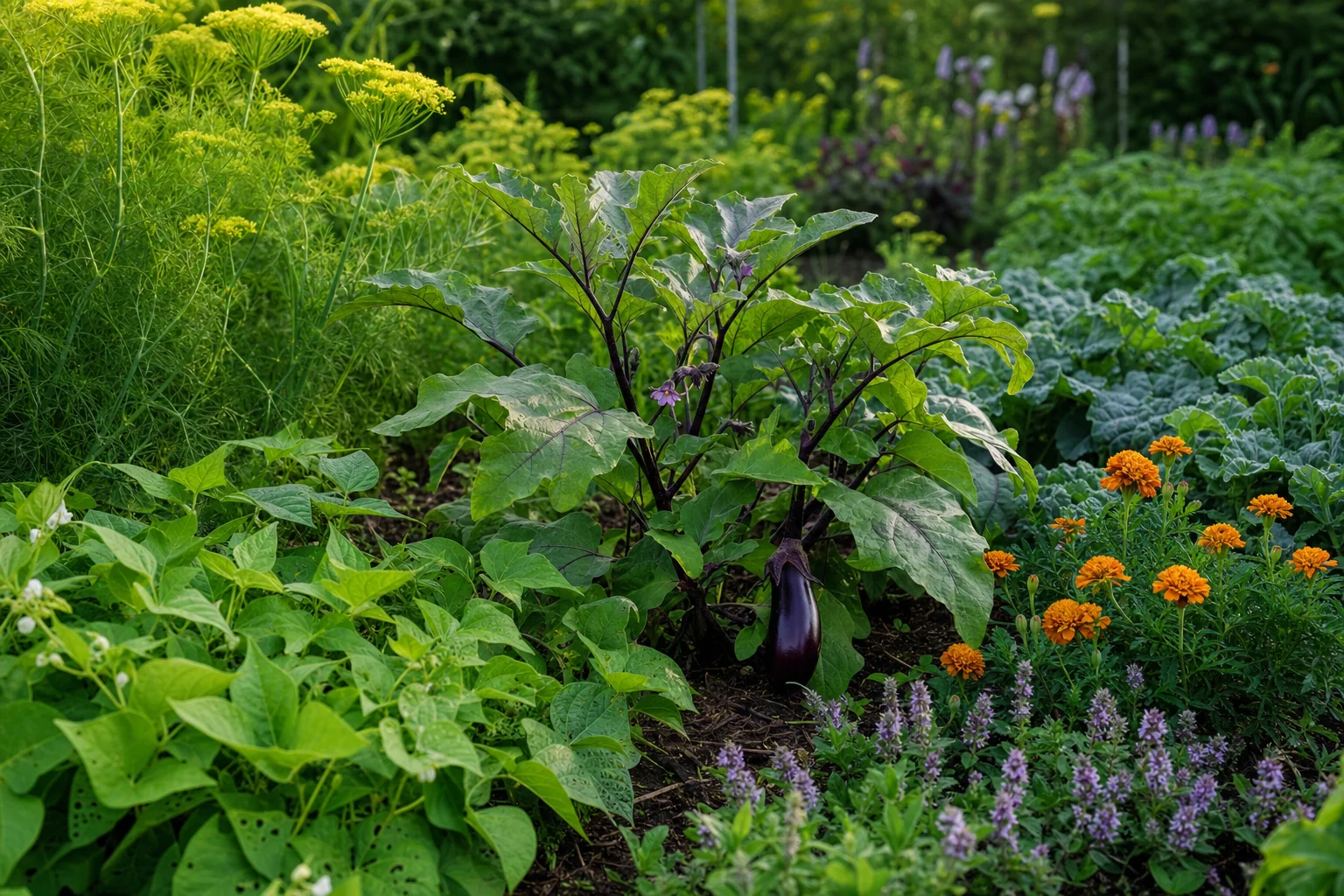
Compare eggplant companion plants for flea beetle pressure, soil coverage, spacing, and pollinator support in raised beds, rows, and containers.
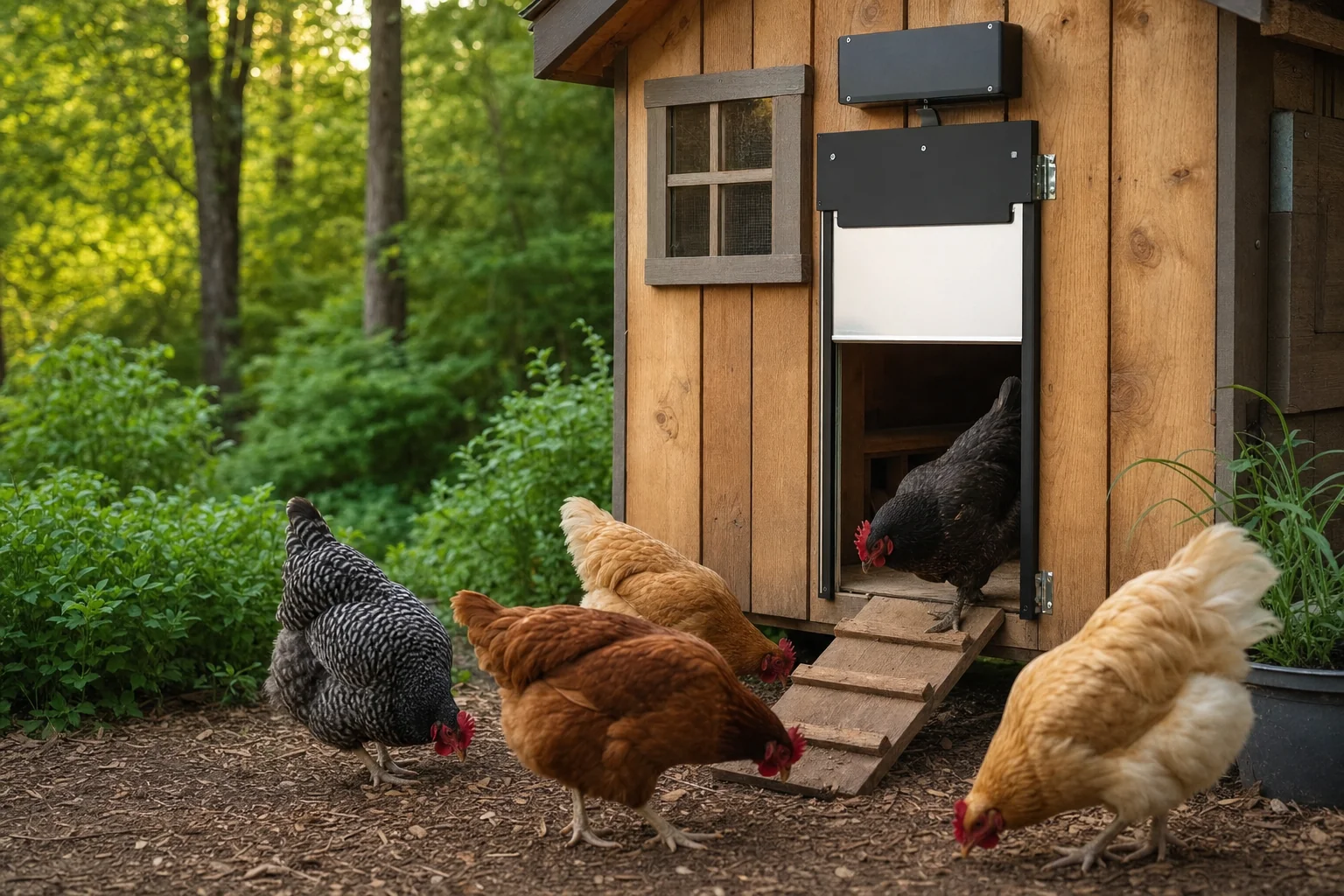
Compare automatic coop doors by opening size, power, schedules, sensors, manual override, and maintenance. Check closure daily as part of predator protection.
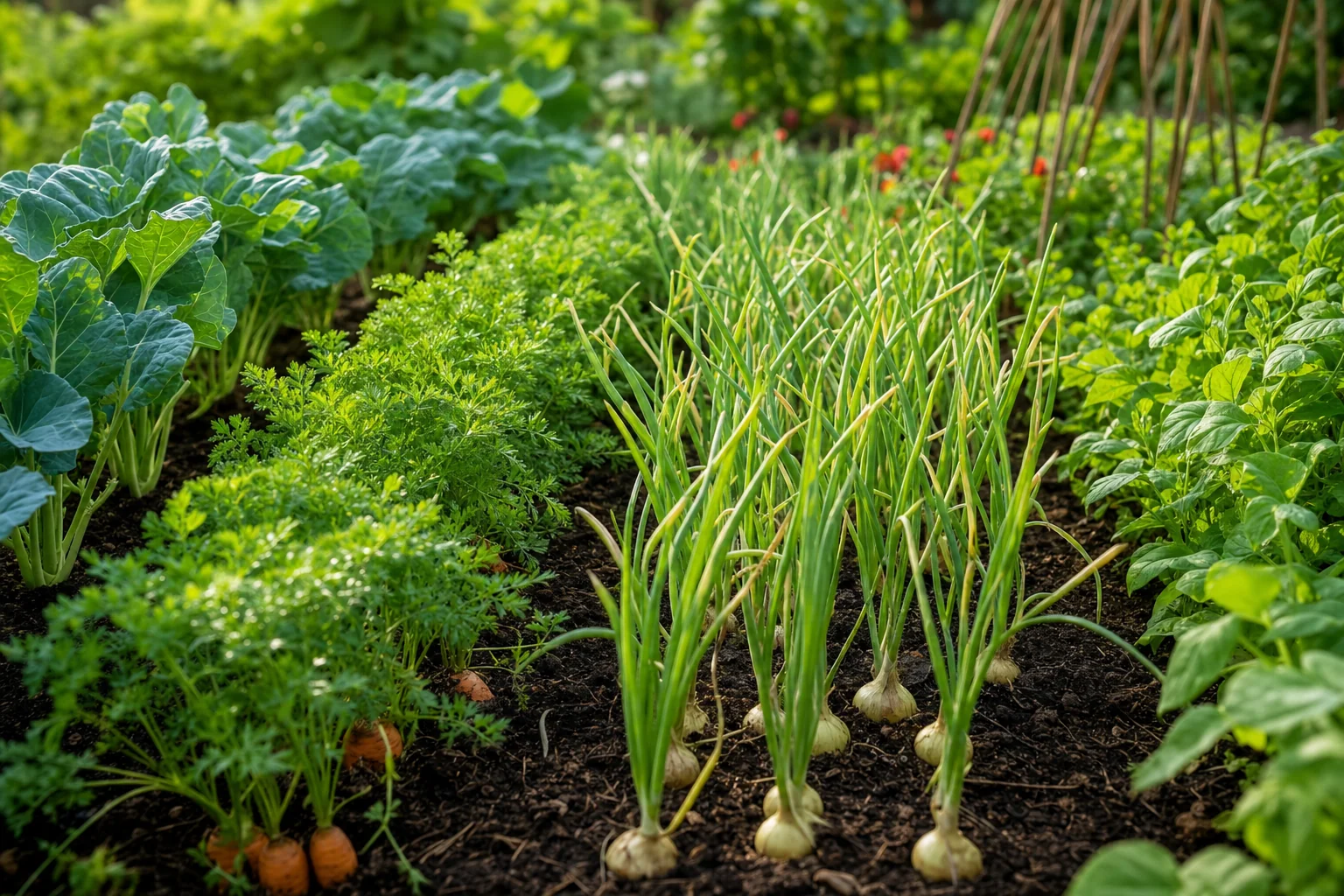
Plan onion companions around sunlight, root space, water needs, and harvest access. Learn why pairing charts cannot replace crop rotation and pest monitoring.
Plan flowers for beneficial insects with locally appropriate species and bloom across the season. Combine habitat with pest identification and monitoring.
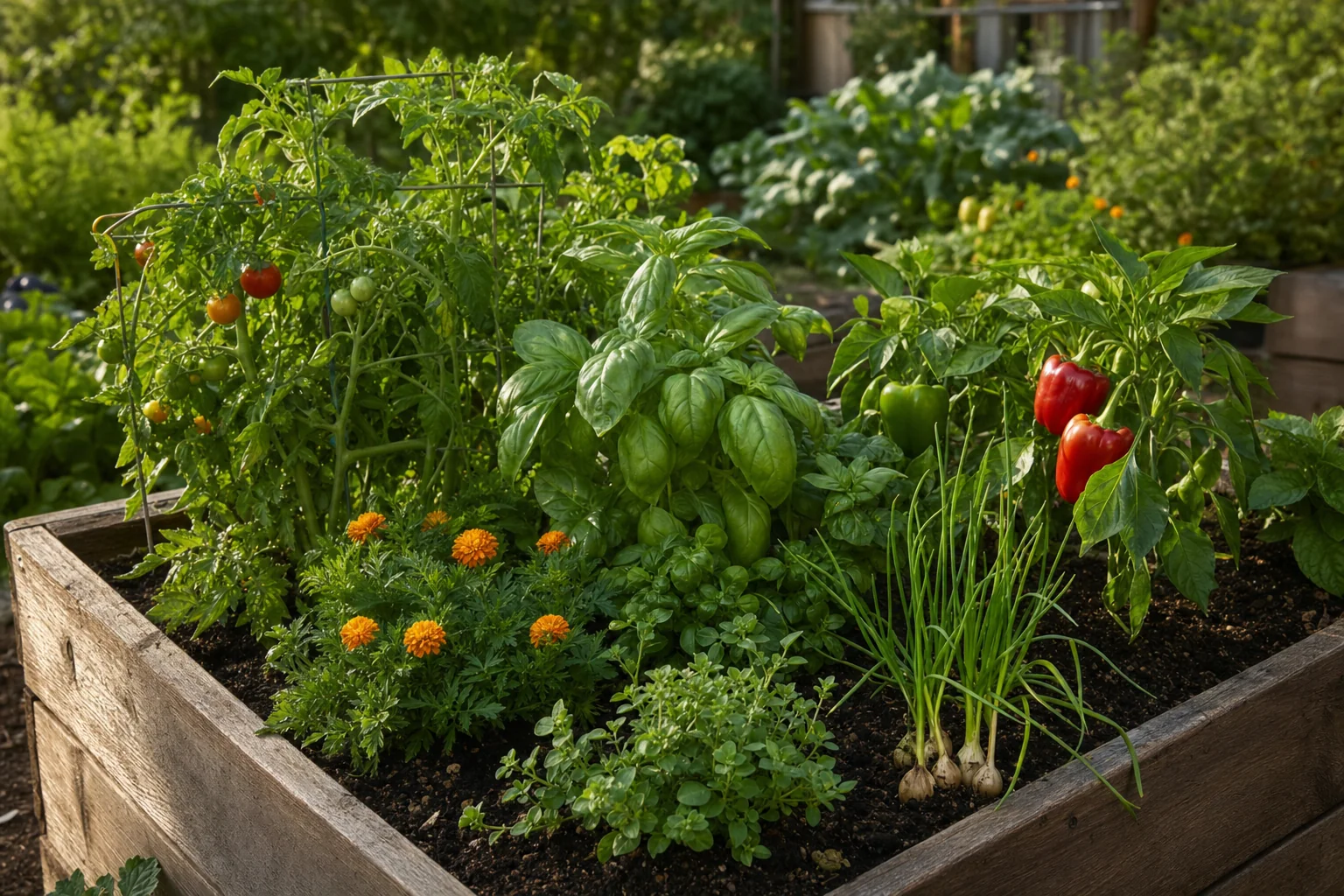
Place basil with crops that leave it enough warmth, light, airflow, and water. Compare planting layouts without relying on claims of automatic pest protection.
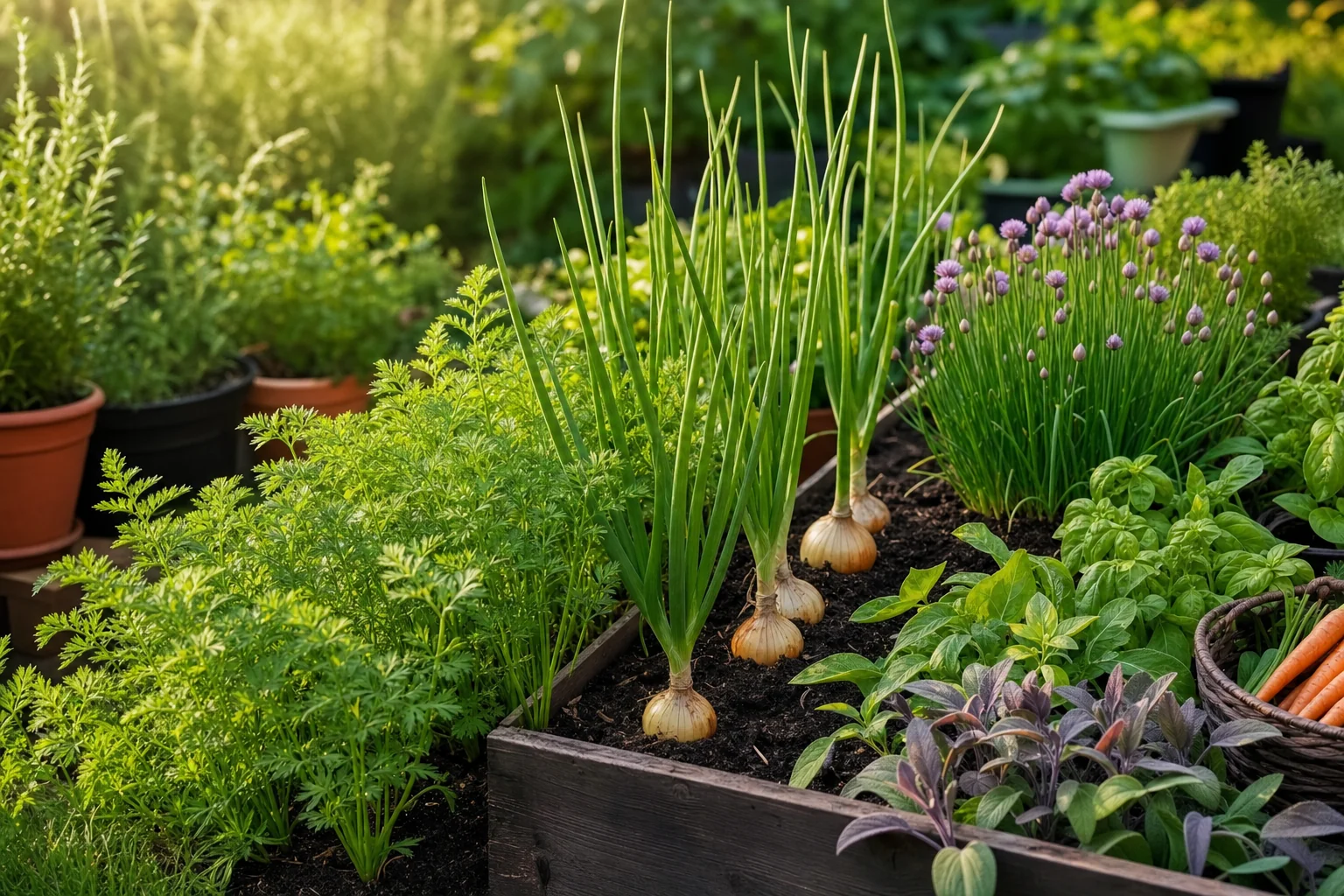
Plan carrot companions around germination moisture, root space, shading, and harvest timing. Use locally appropriate methods when carrot pests are present.
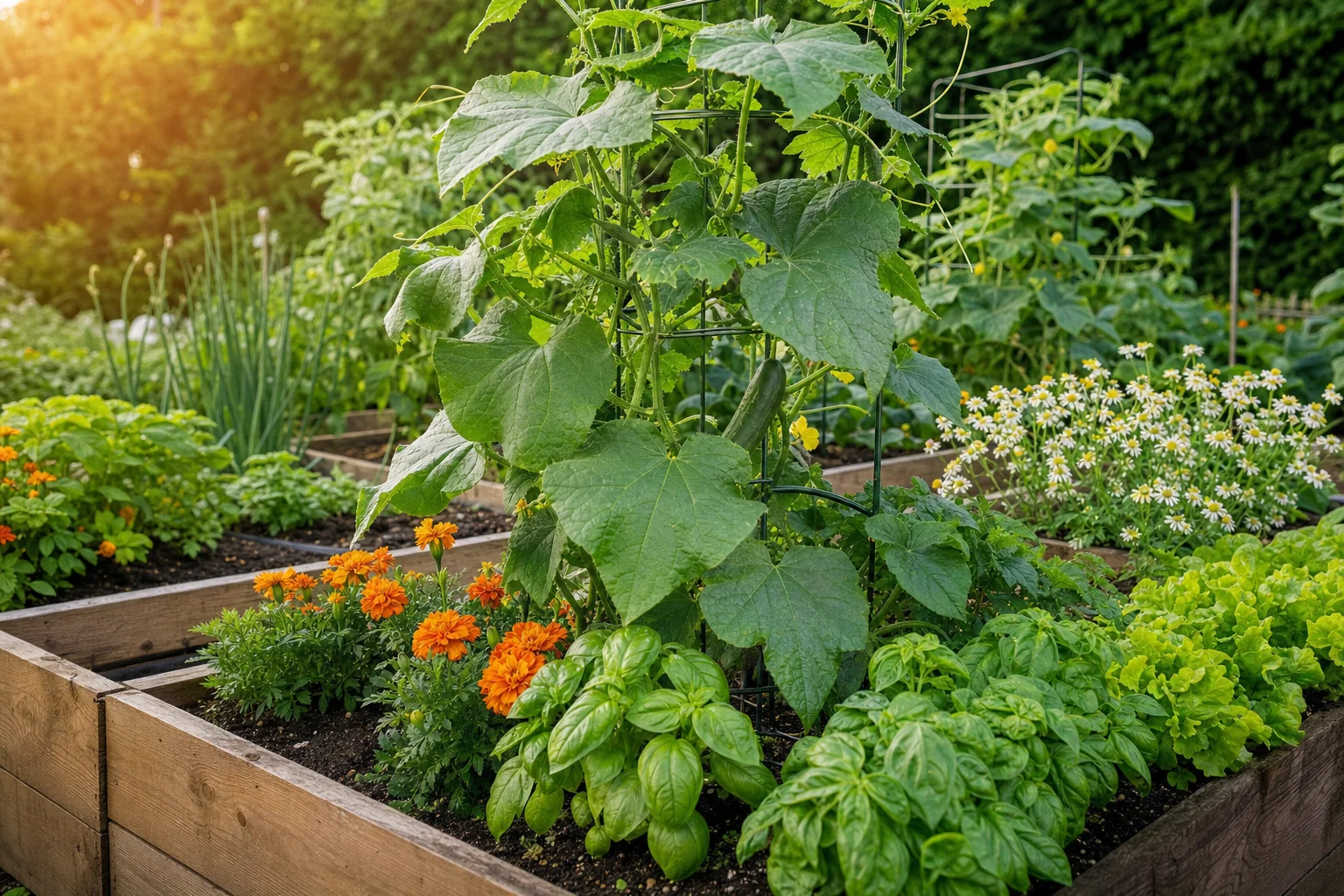
Plan cucumber neighbors around trellising, light, root space, irrigation, and airflow. Use monitoring and suitable controls when beetles or disease appear.
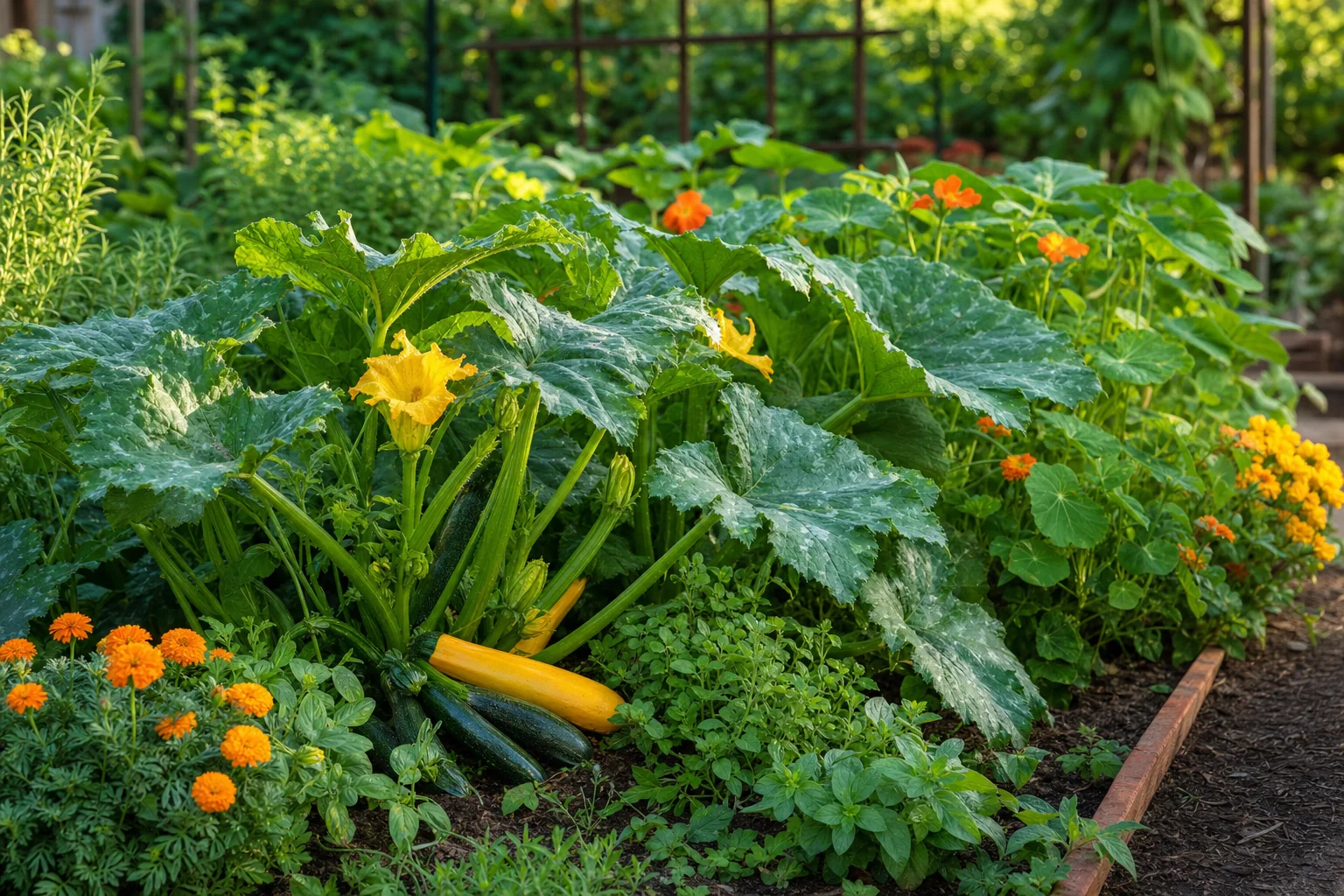
Plan squash neighbors around vine spread, airflow, pollination, and harvest paths. Compare suitable plantings without assuming companions will stop squash bugs.
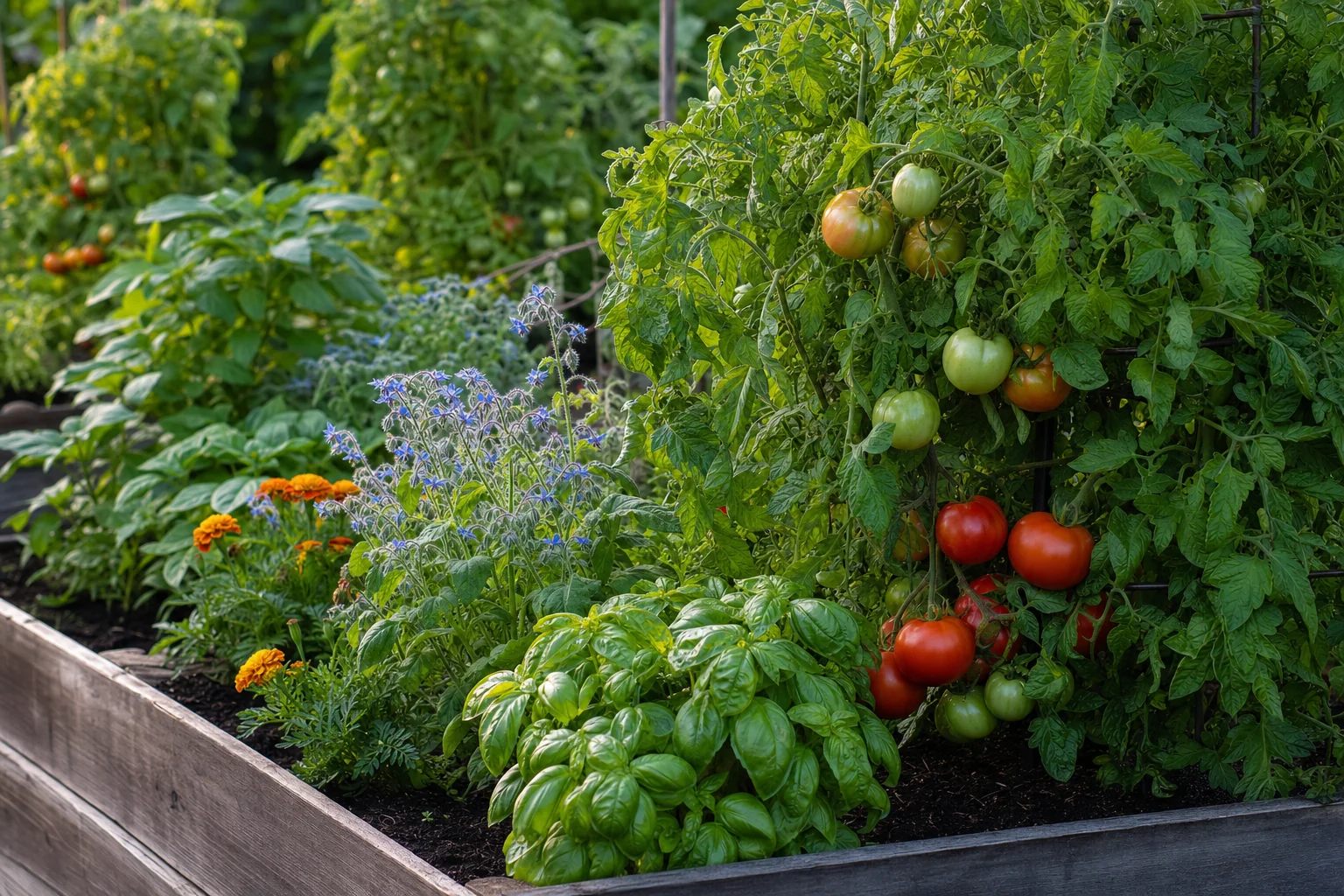
Choose tomato companions by mature spacing, sunlight, airflow, and harvest timing. Compare flowers, herbs, and vegetables without promising pest control.
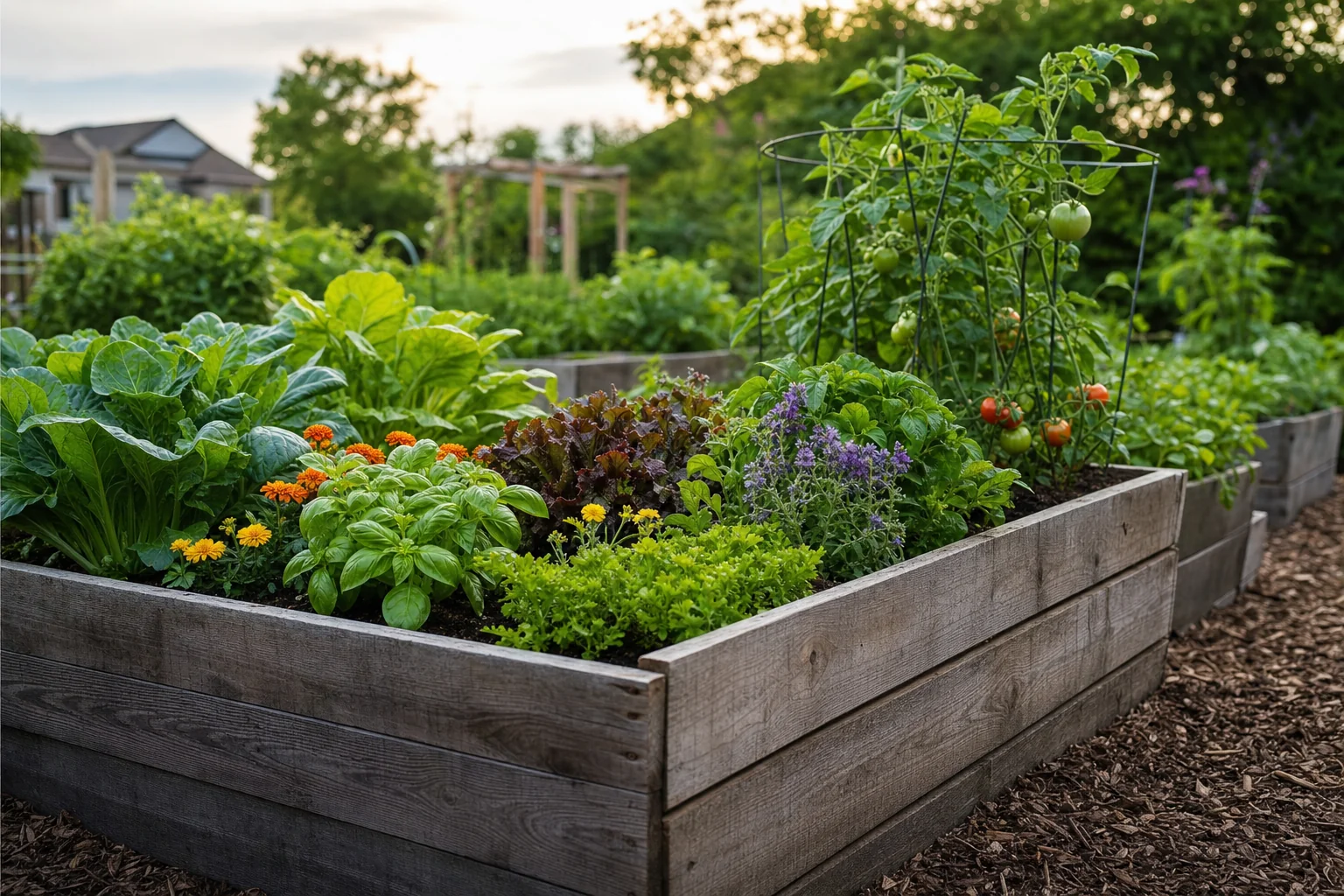
Plan a raised bed with reachable width, clear paths, suitable materials, sturdy corners, and appropriate soil. Calculate the frame and fill before building.
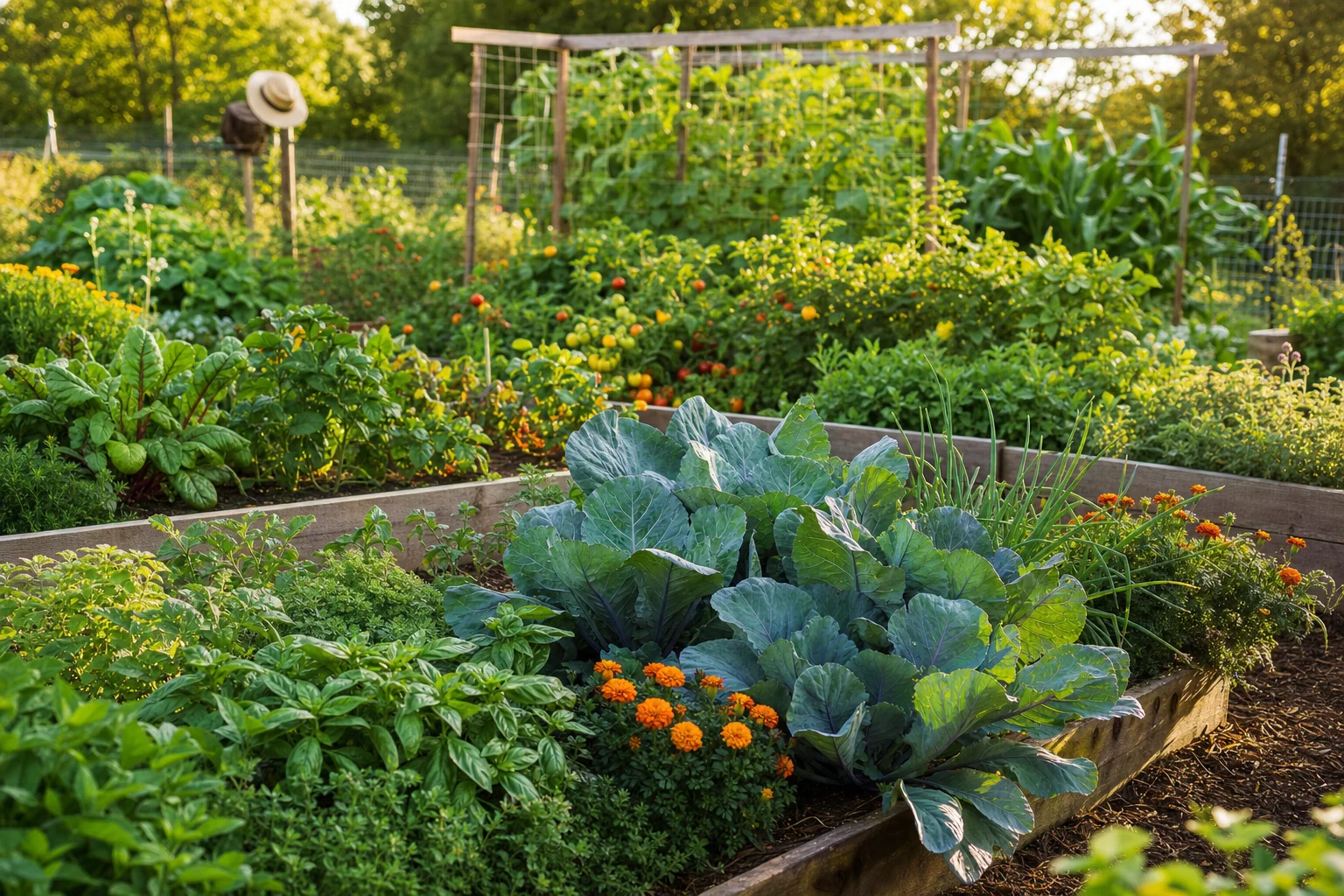
Plan vegetable companions around spacing, sunlight, harvest timing, and pollinator needs. Separate useful garden design from unsupported pairing claims.
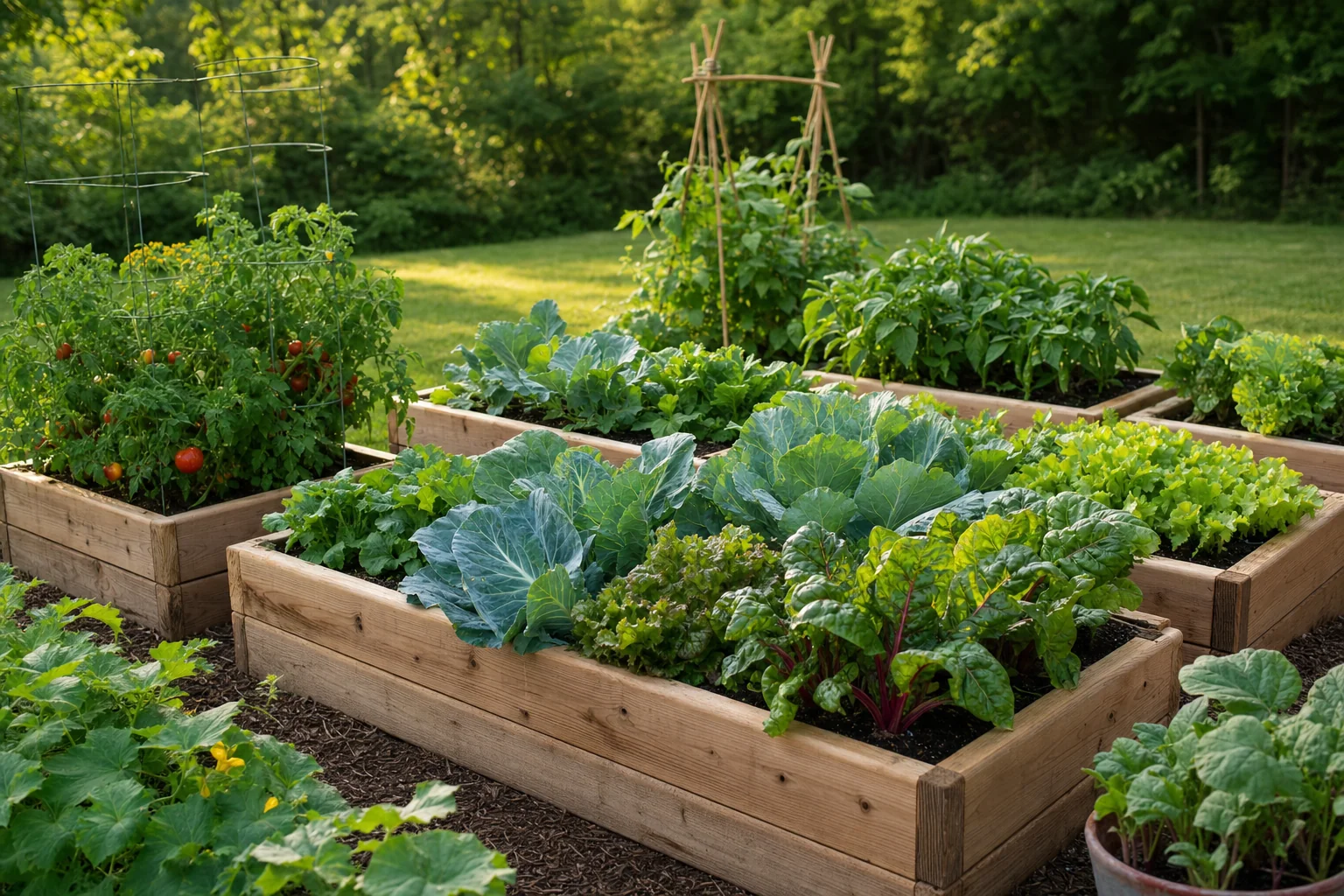
Choose raised-bed vegetables by season, mature size, supports, harvest frequency, and your kitchen's needs. Leave room for access and succession planting.
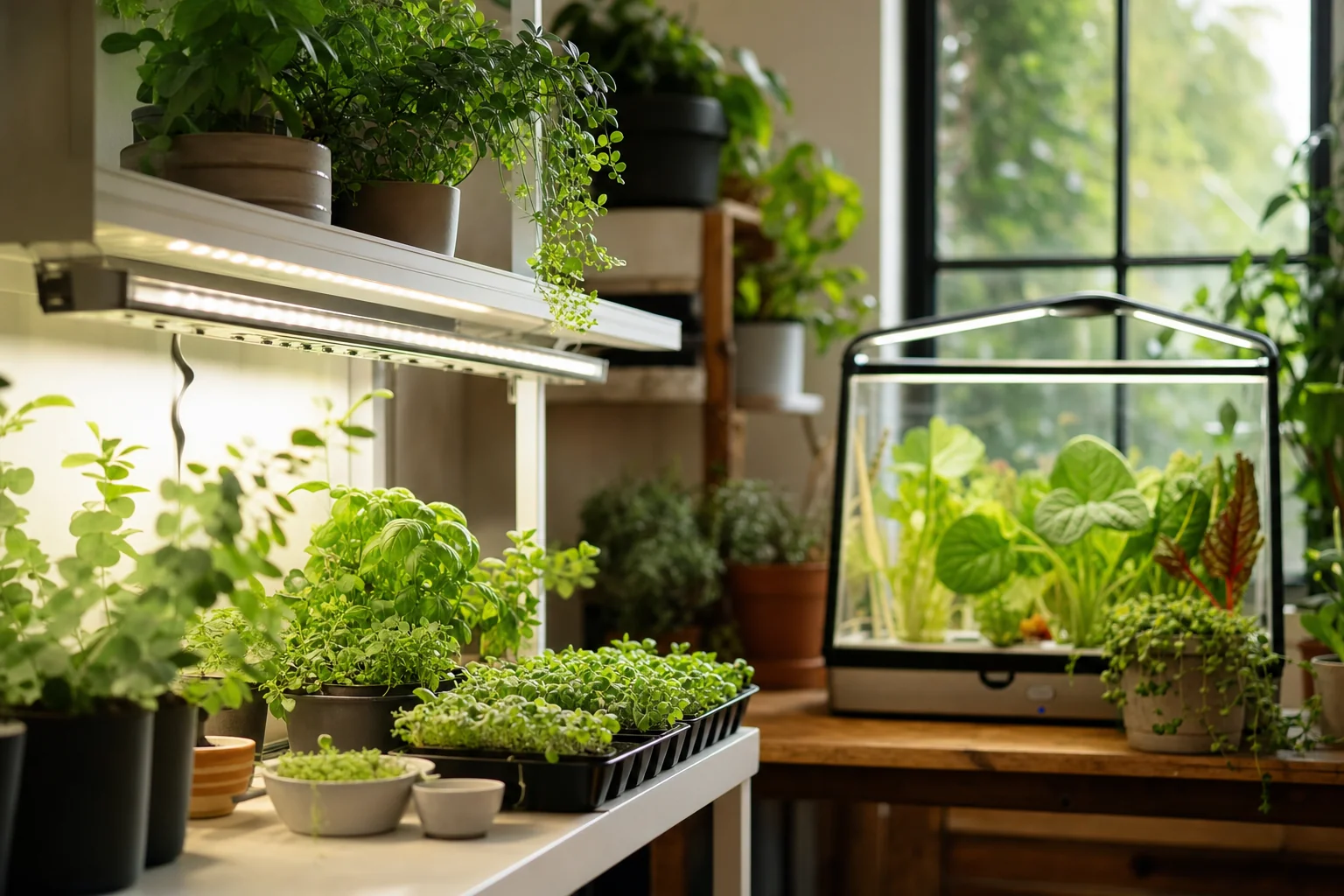
Choose grow lights by growing area, plant needs, fixture height, output, and timer controls. Compare shelf, countertop, and hanging-light setups.
Compare Rain Bird and Raindrip kit designs by tubing, outlets, pressure, timers, and expansion limits. Plan a layout and check watering at the roots.
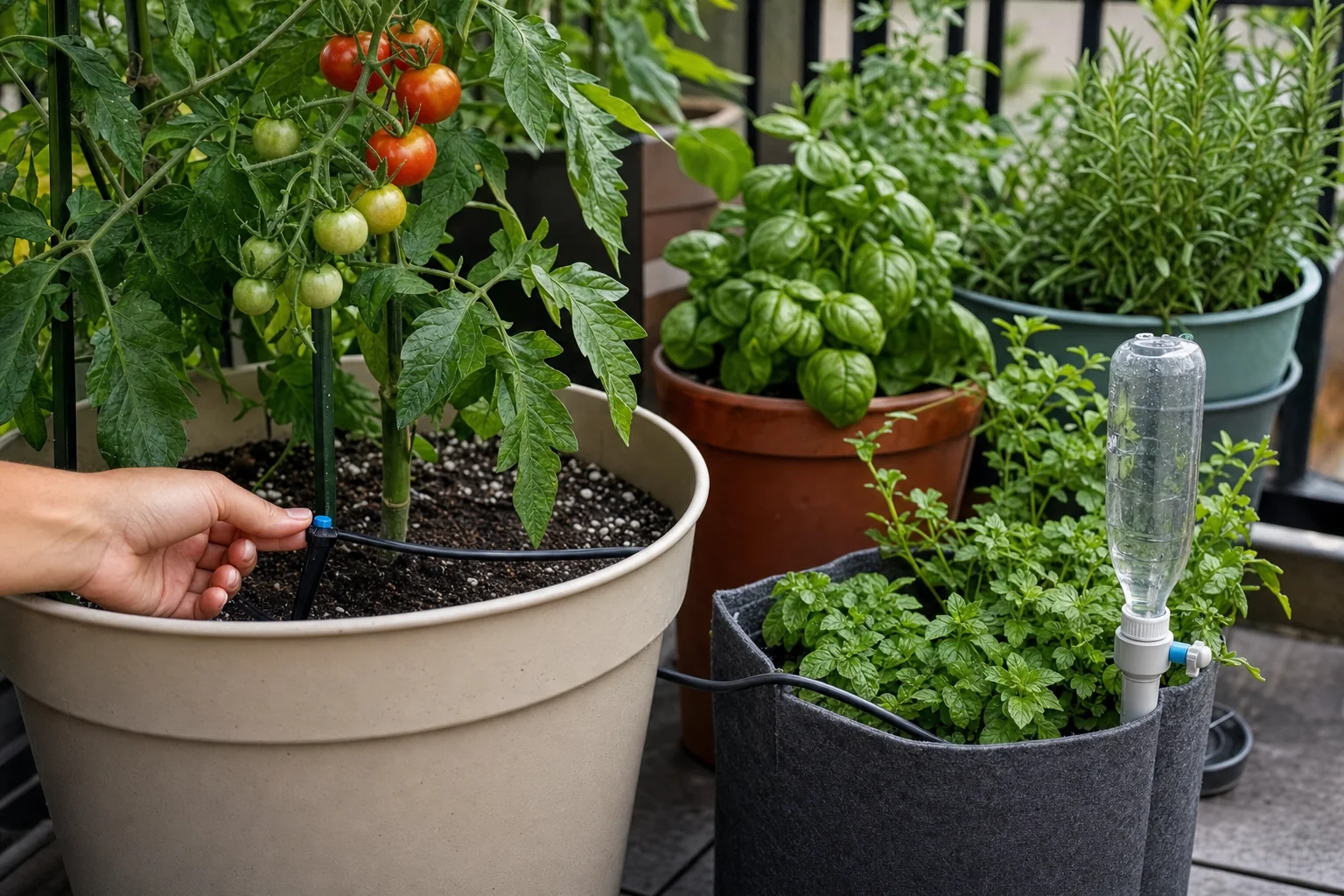
Compare reservoir planters, drip kits, and watering stakes for patio vegetables. Check crop size, overflow, refill access, and your water source.
Review the Run Chicken coop door's setup, timer, battery access, predator considerations, limitations, and suitable coop layouts.
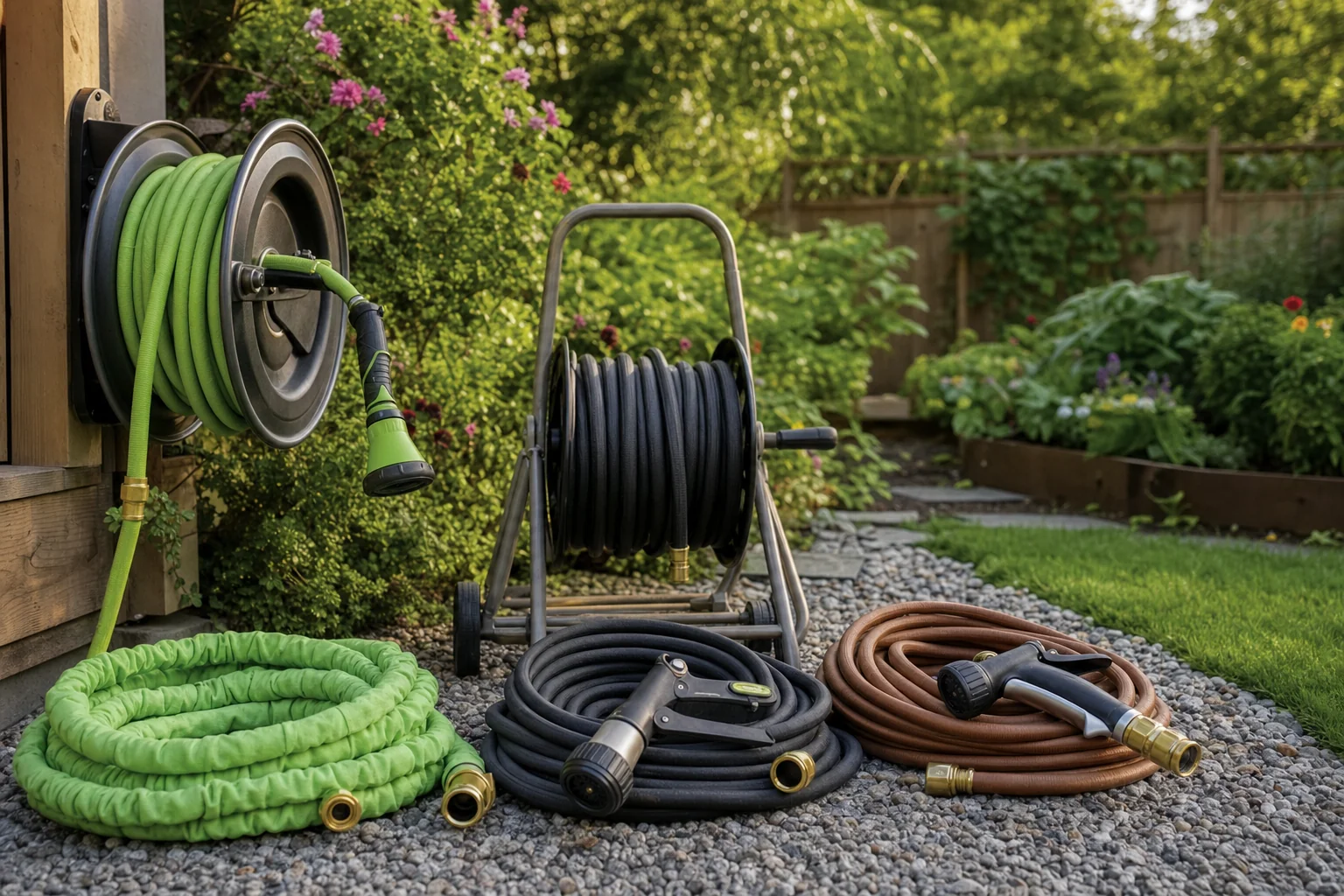
Compare garden hoses and reels by usable length, diameter, pressure rating, fittings, storage, and handling. Match the hose to its intended water use.
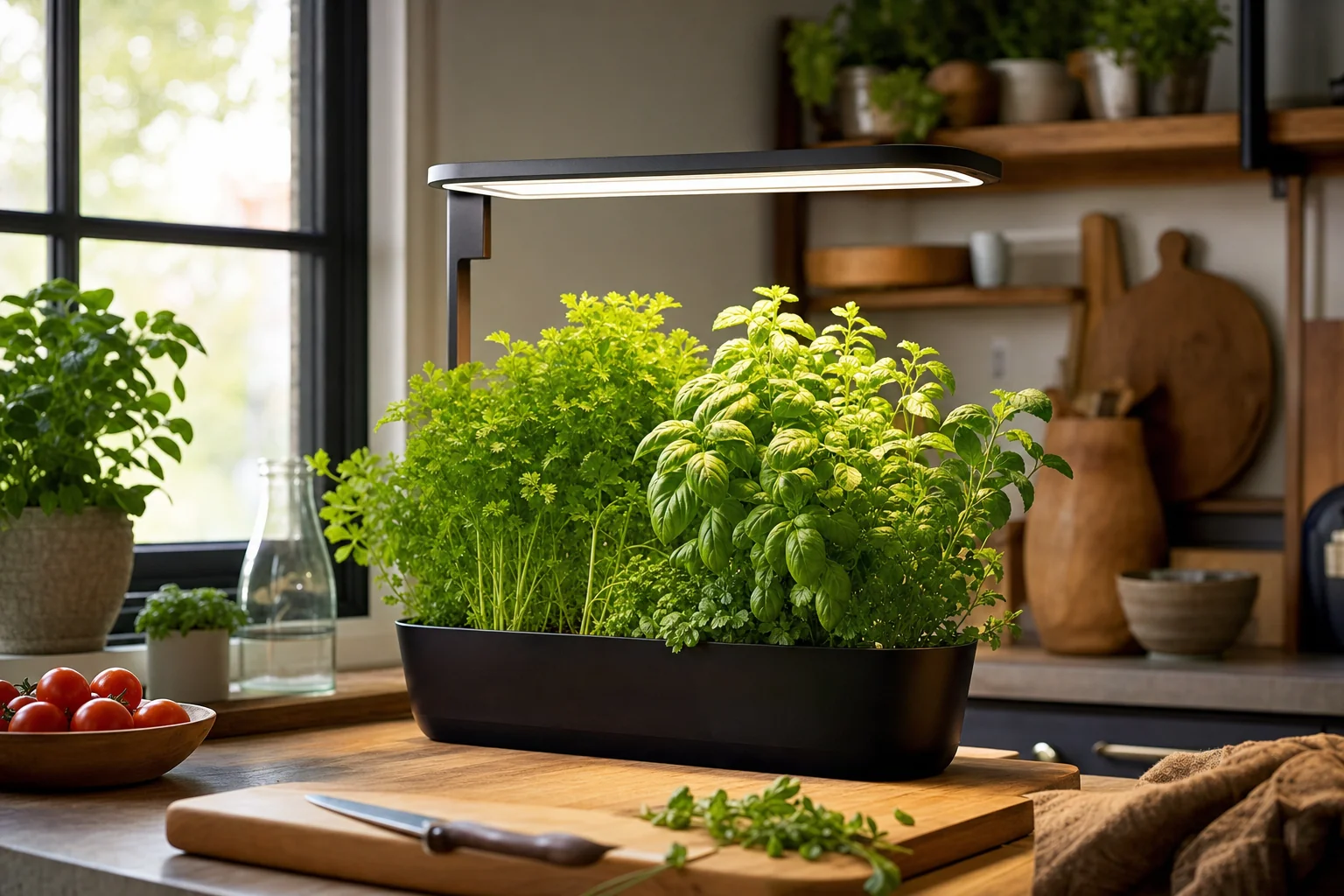
Choose kitchen grow lights by herb height, growing area, fixture clearance, output, and timer settings. Check the usable footprint before choosing a lamp.
Grow dahlias from sound tubers with suitable soil warmth, drainage, spacing, and support. Learn when to water, stake, pinch, and lift for winter.
Choose beginner cutting dahlias by flower form, color, stem use, support, and storage. Compare named cultivars without promised yields or vase life.
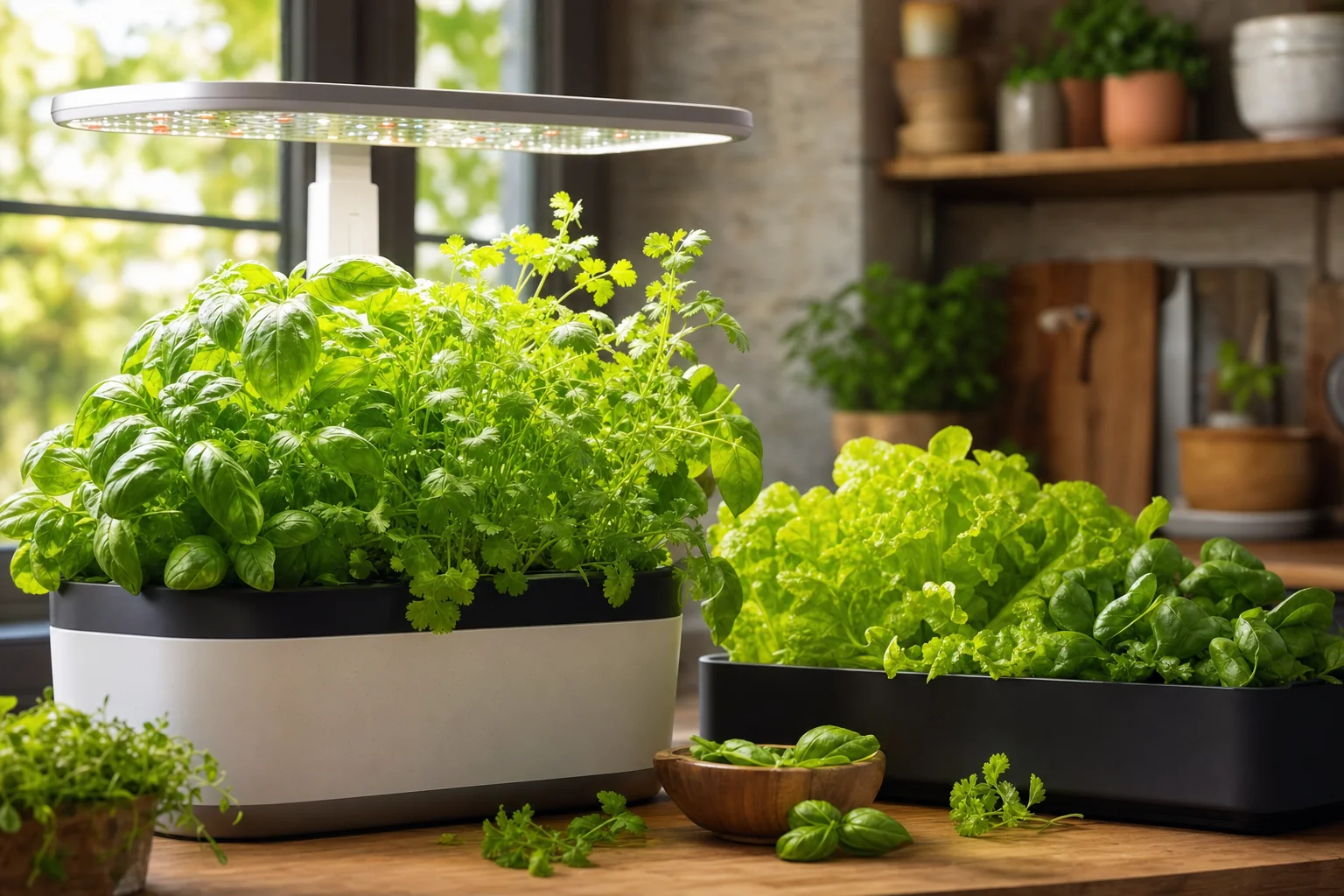
Compare indoor hydroponic herb gardens by capacity, lighting, controls, maintenance needs, and current product specifications for 2026 counters.
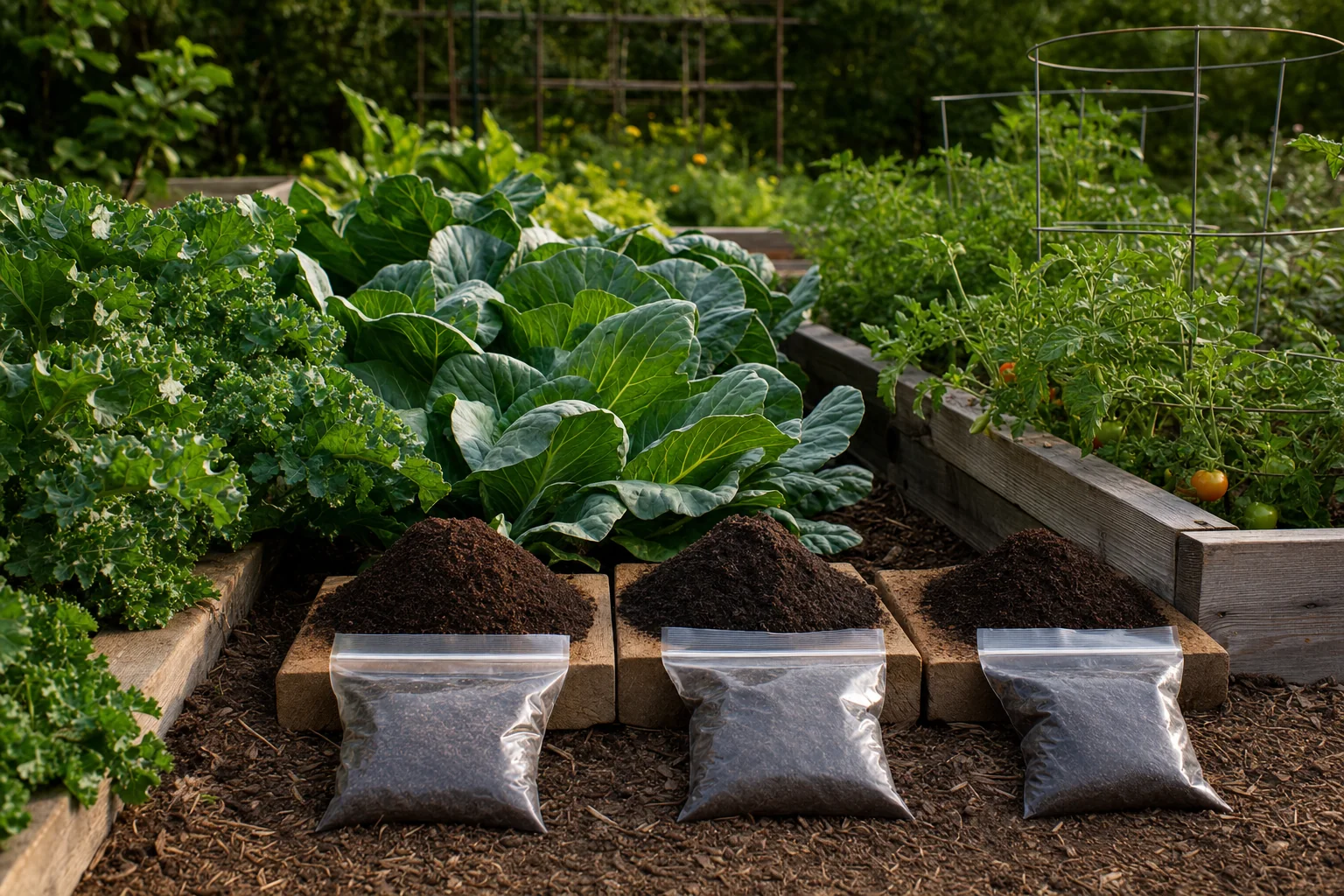
Evaluate worm castings by composition, application guidance, cost, and soil needs. Compare them with finished compost without assuming higher yields.
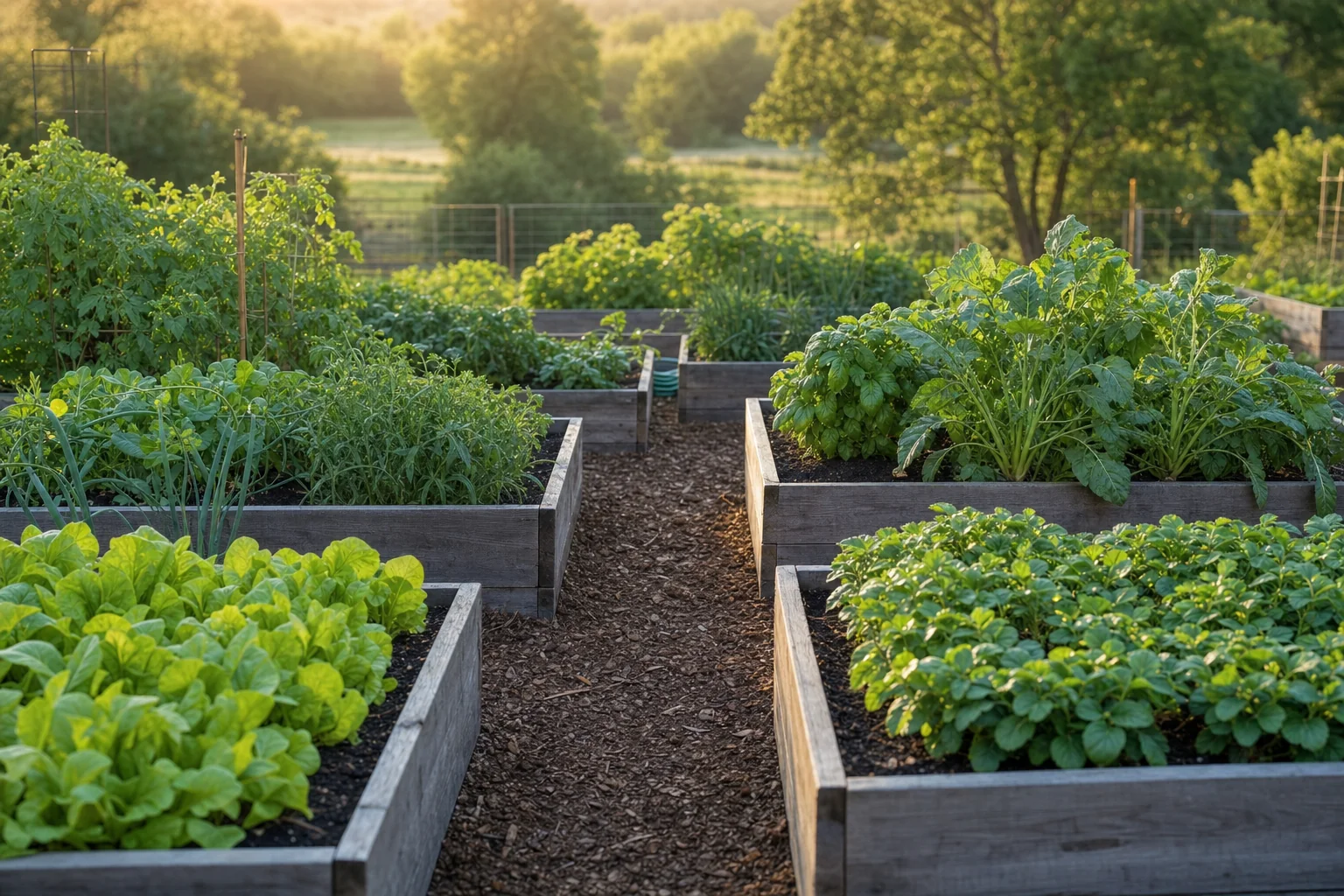
Choose raised-bed amendments from soil-test results and the problem present. Compare compost, lime, sulfur, and other inputs without routine overapplication.
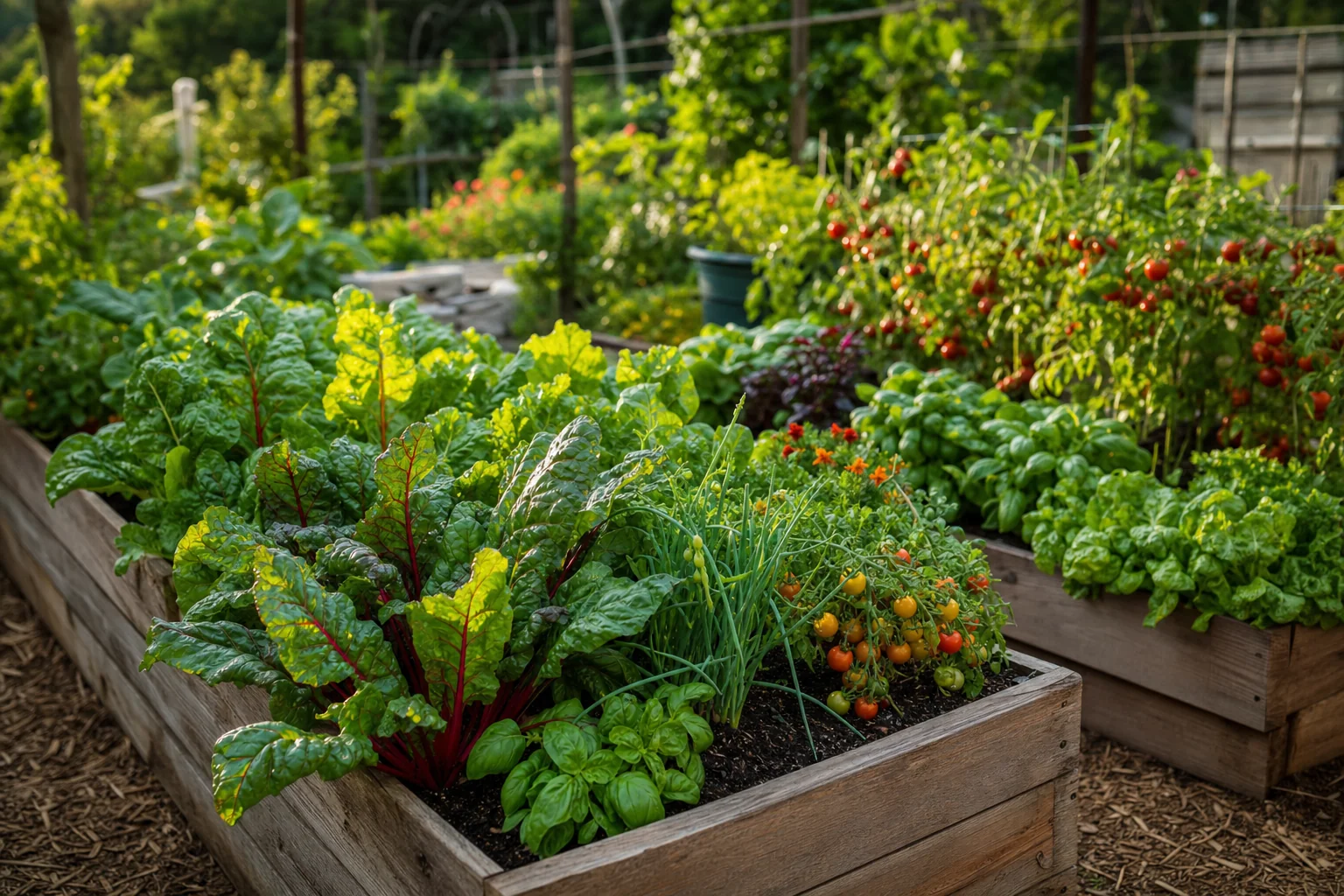
Compare organic fertilizers by nutrient analysis, crop needs, soil-test results, application method, and timing. Avoid adding nutrients your bed does not need.
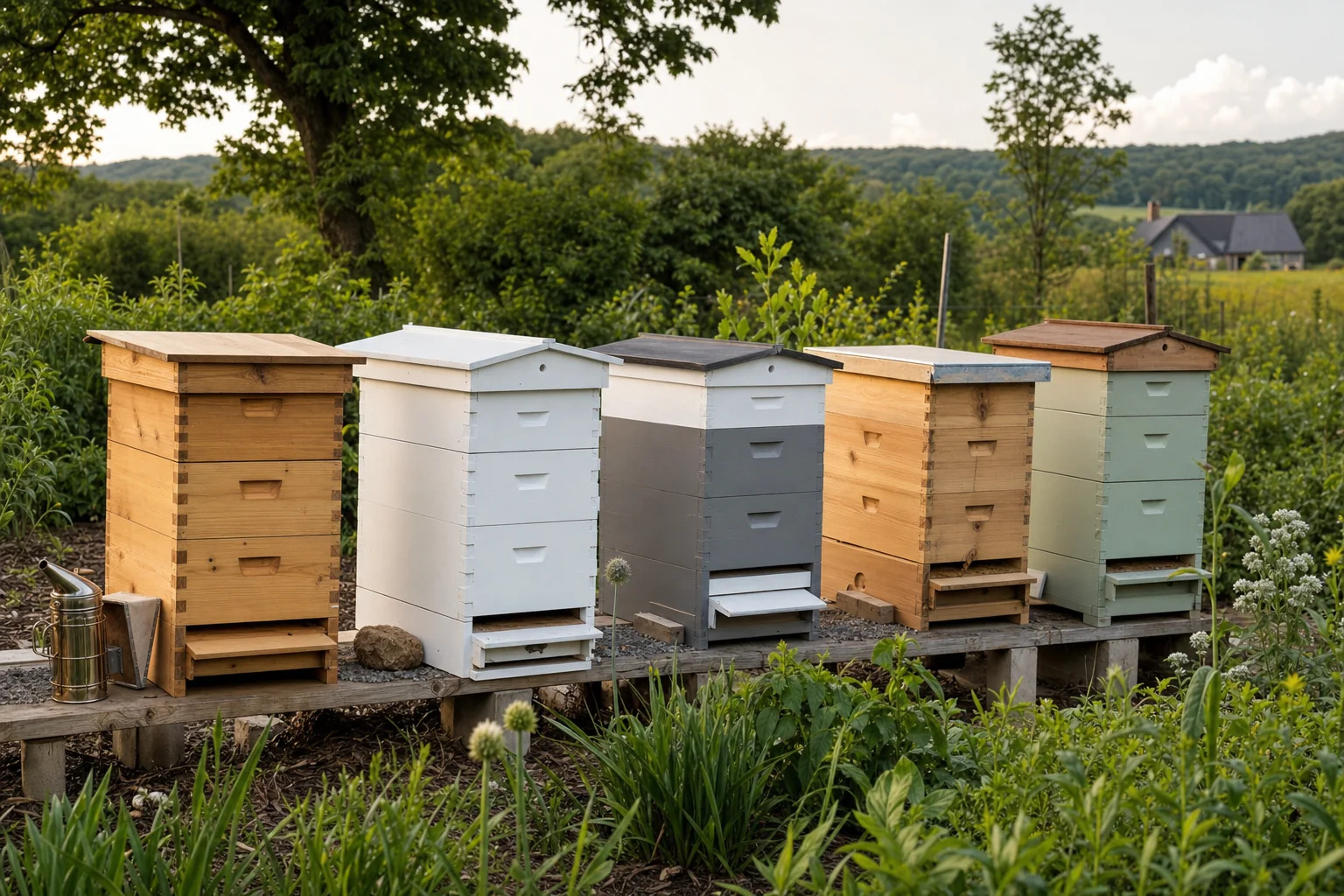
Choose a first beehive kit around local training, a common hive format, compatible parts, protective equipment, and the ongoing costs of colony care.
Understand what Flow Hive harvesting changes and what ordinary hive care still requires. Compare inspection access, equipment, compatibility, and ongoing costs.
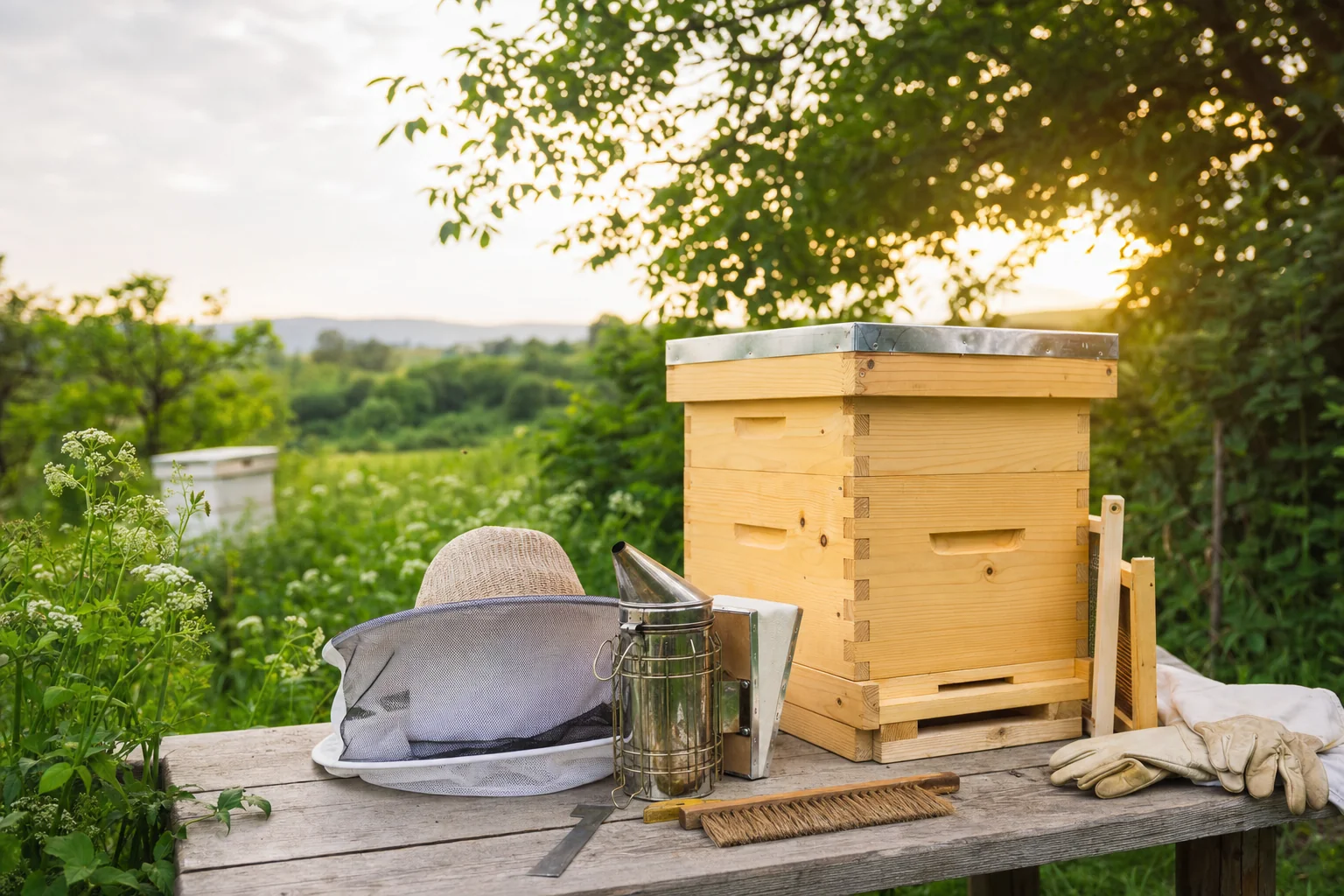
Plan a complete beekeeping startup budget with a checklist for hive equipment, protective clothing, tools, bees, training, and ongoing colony care.
Compare greenhouse film by light transmission percentage, UV stabilization, anti-drip condensation control, thickness, insulation value, and replacement life.
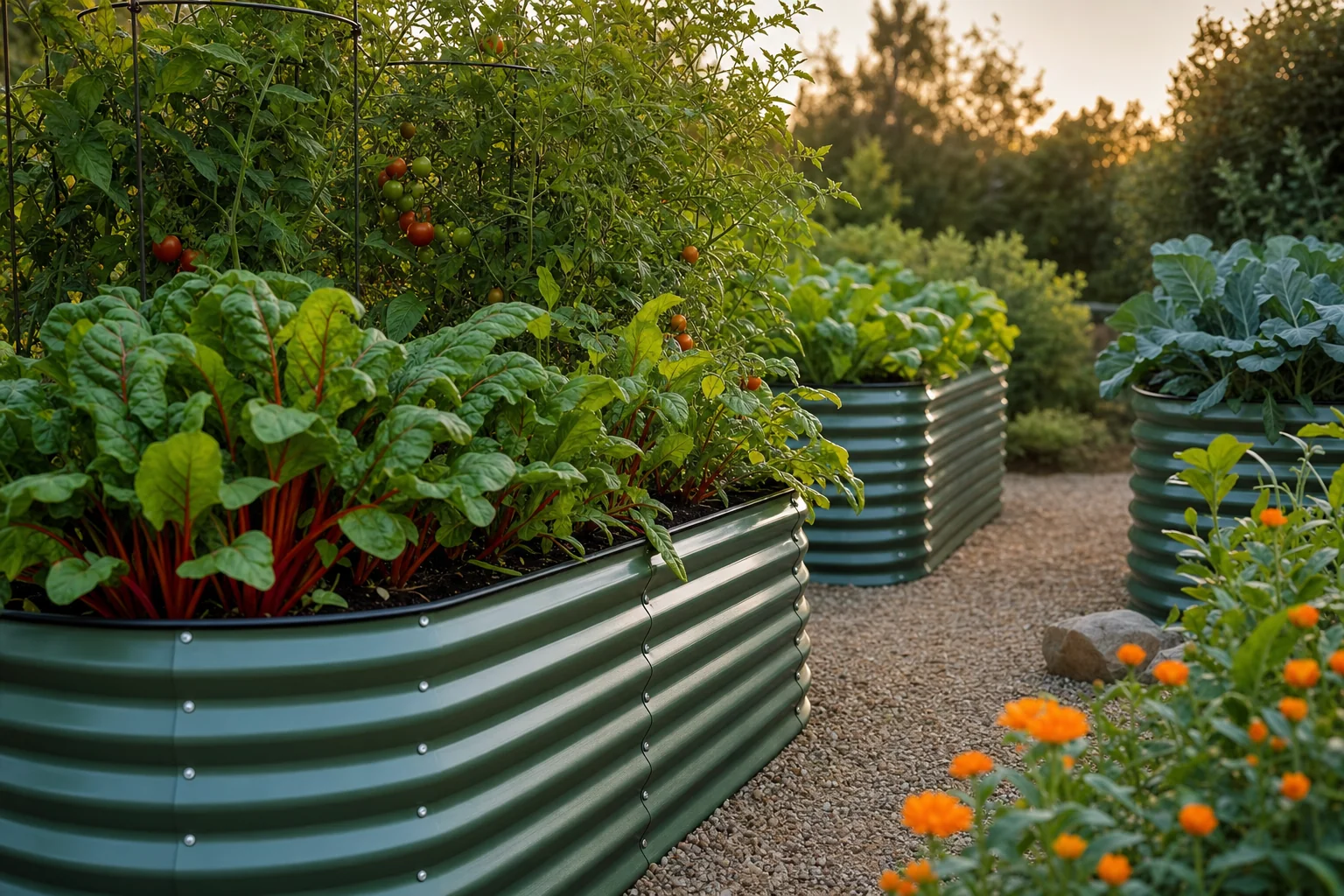
Evaluate Vego's 17-inch 9-in-1 bed by usable layout, assembly requirements, soil budget, accessories, and warranty before paying for a modular kit.
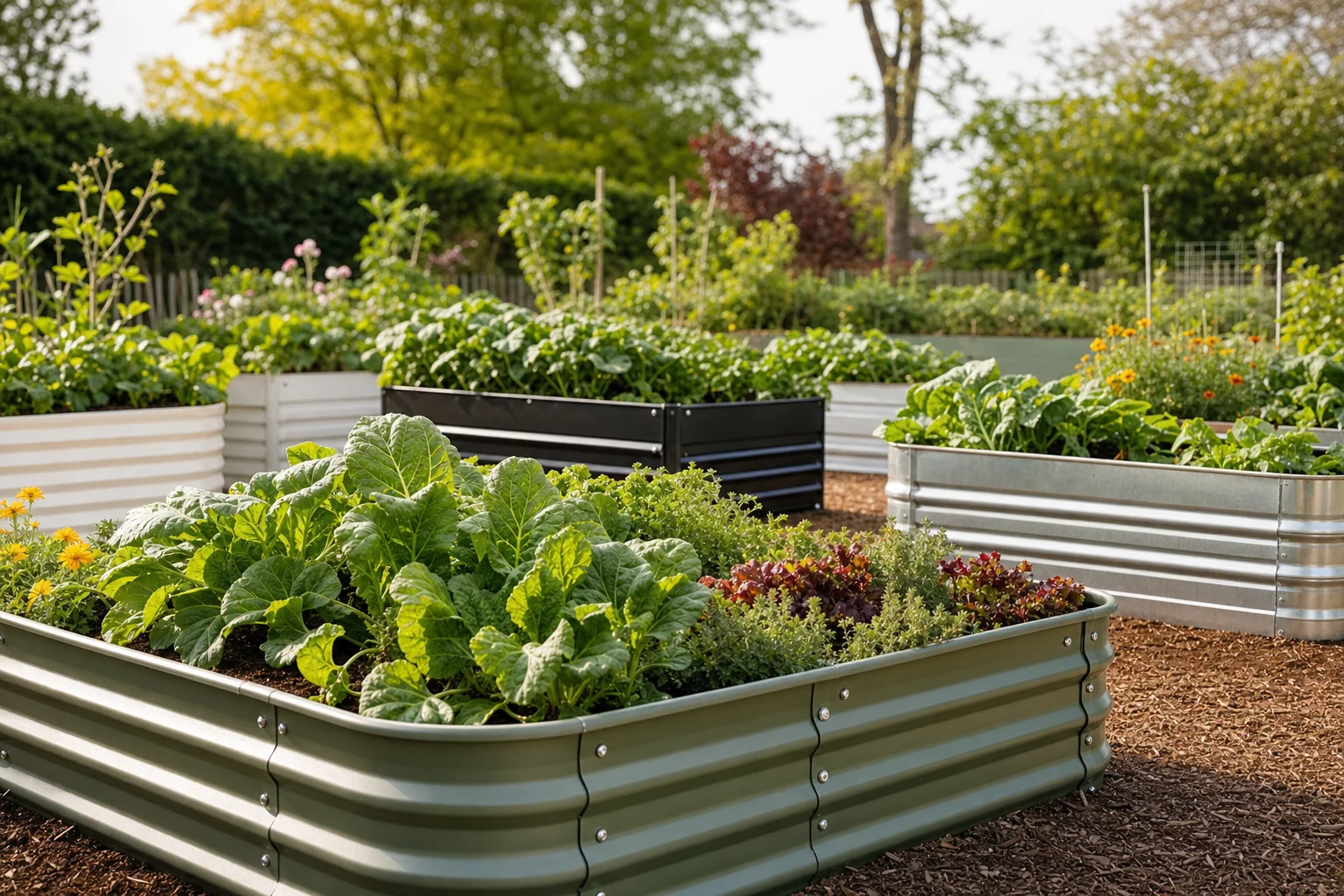
Compare specific Vego, Birdies, and Olle metal raised beds by height, layout, bracing, reach, and fill cost, with a practical pre-purchase checklist.
Review the DR-968 heater's intended setting and safety limits before considering greenhouse use. Match heating equipment to moisture and electrical conditions.
Start a cutting garden with locally suitable flowers, a reachable layout, succession planting, supports, and a simple harvest-and-conditioning routine.
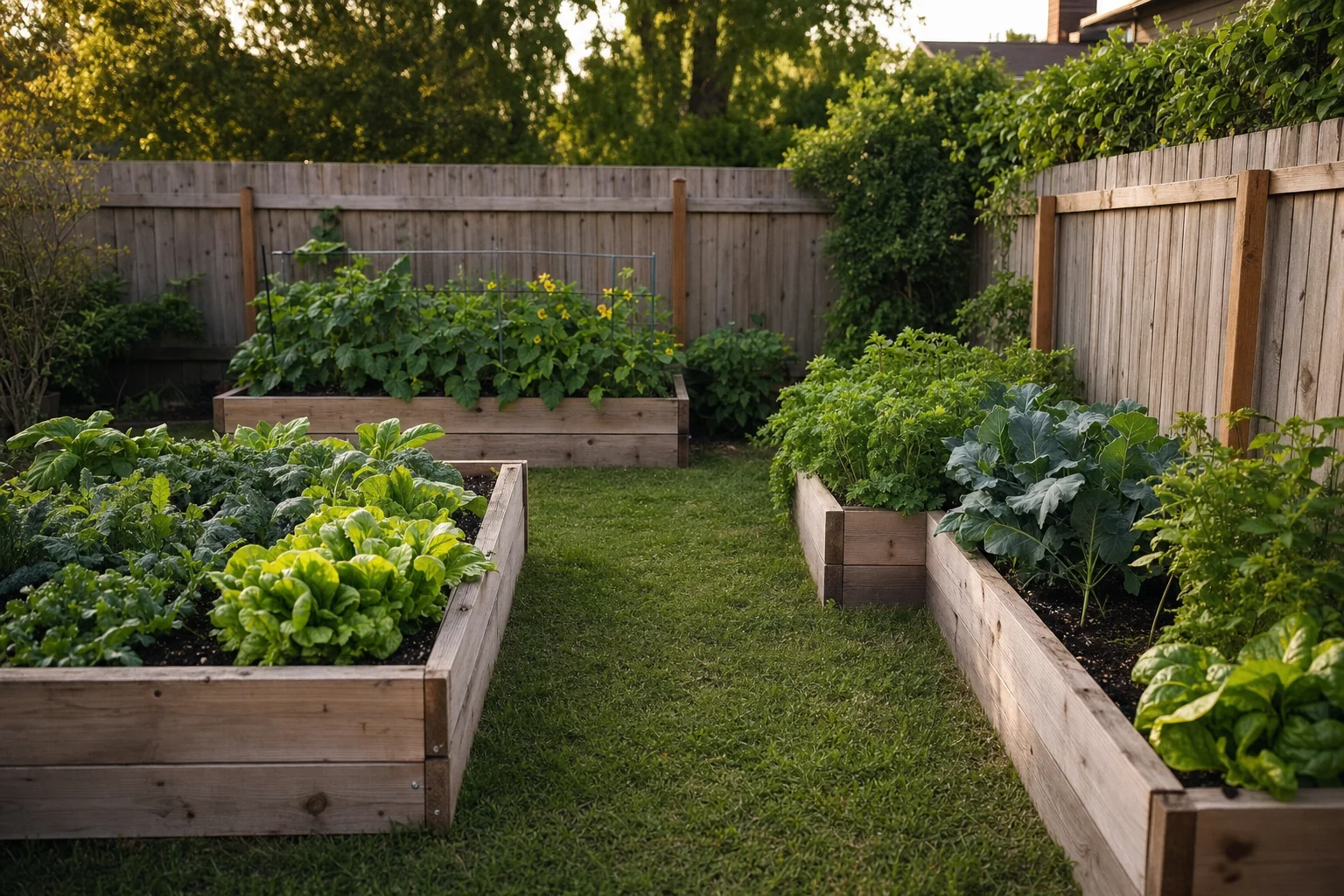
Choose raised-bed width, length, and height from reach, path clearance, crops, and soil volume. Compare compact layouts before buying the frame.
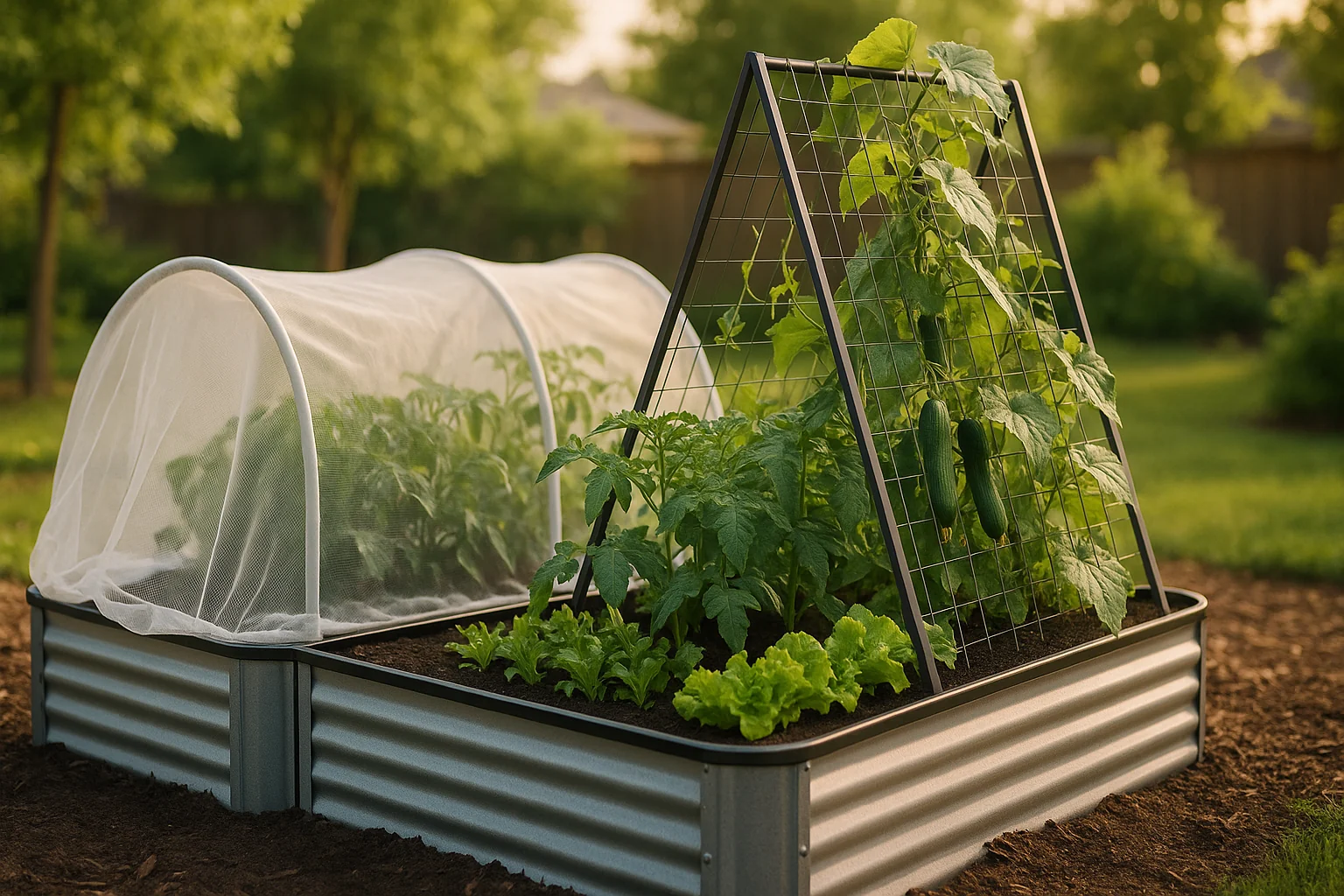
Match raised bed covers and supports to frost, pests, or climbing crops. Check dimensions, ventilation, pollination, attachments, and complete setup cost.
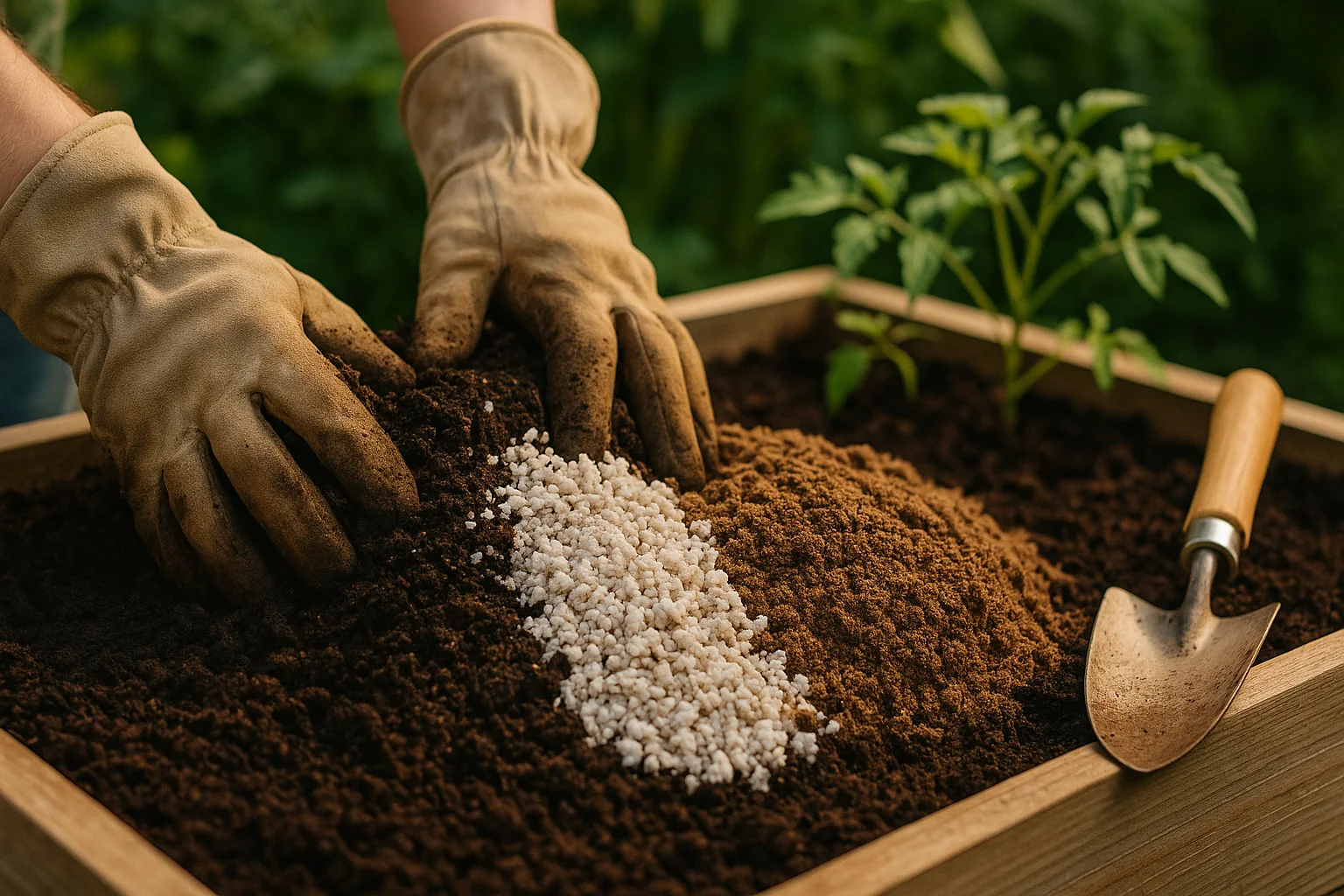
Choose raised-bed soil from the bed's drainage and root space. Compare topsoil and compost blends, calculate fill volume, and avoid unnecessary amendments.
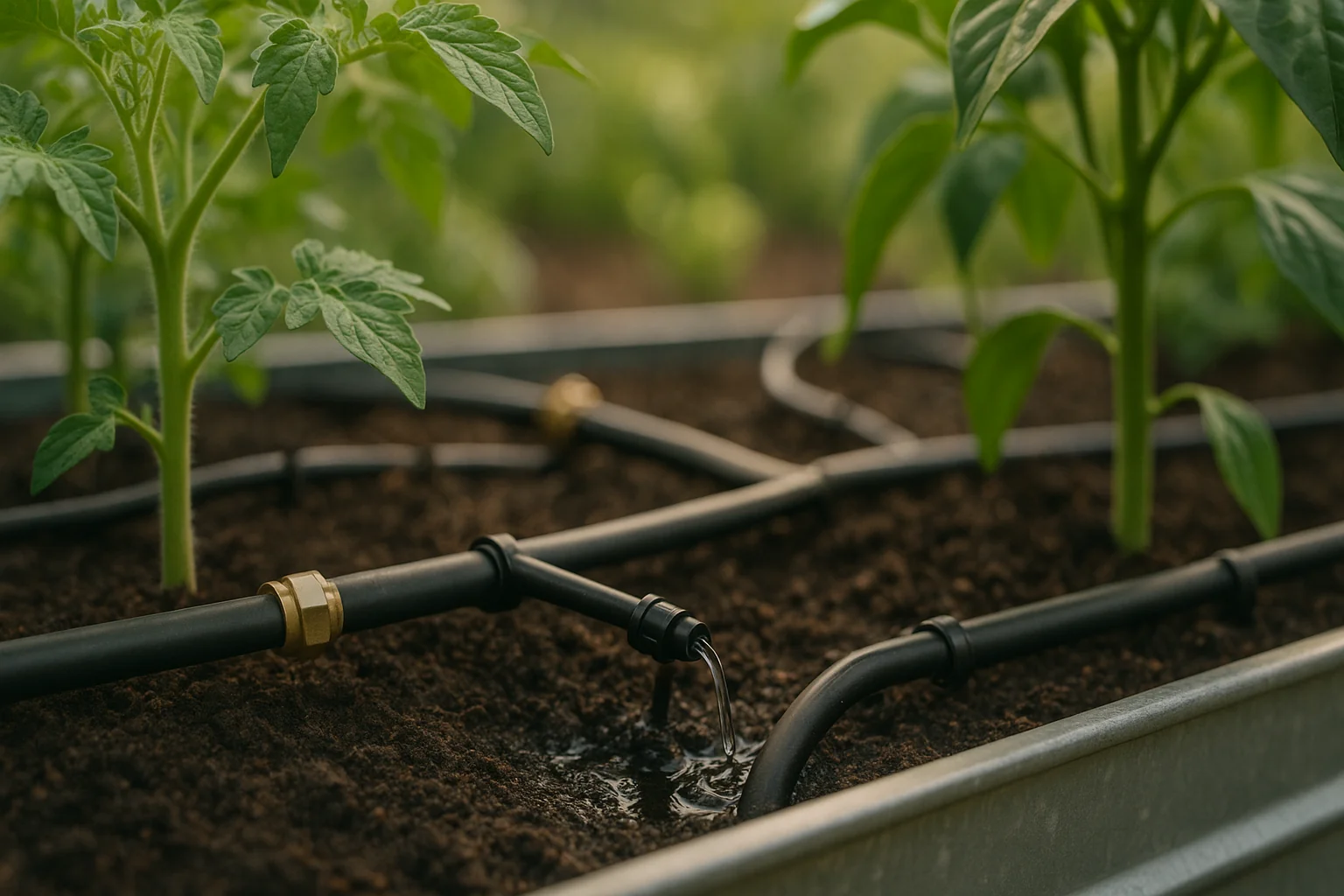
Plan a hose-fed raised-bed drip system with compatible tubing, filtration, pressure control, and backflow protection. Test every zone before covering lines.
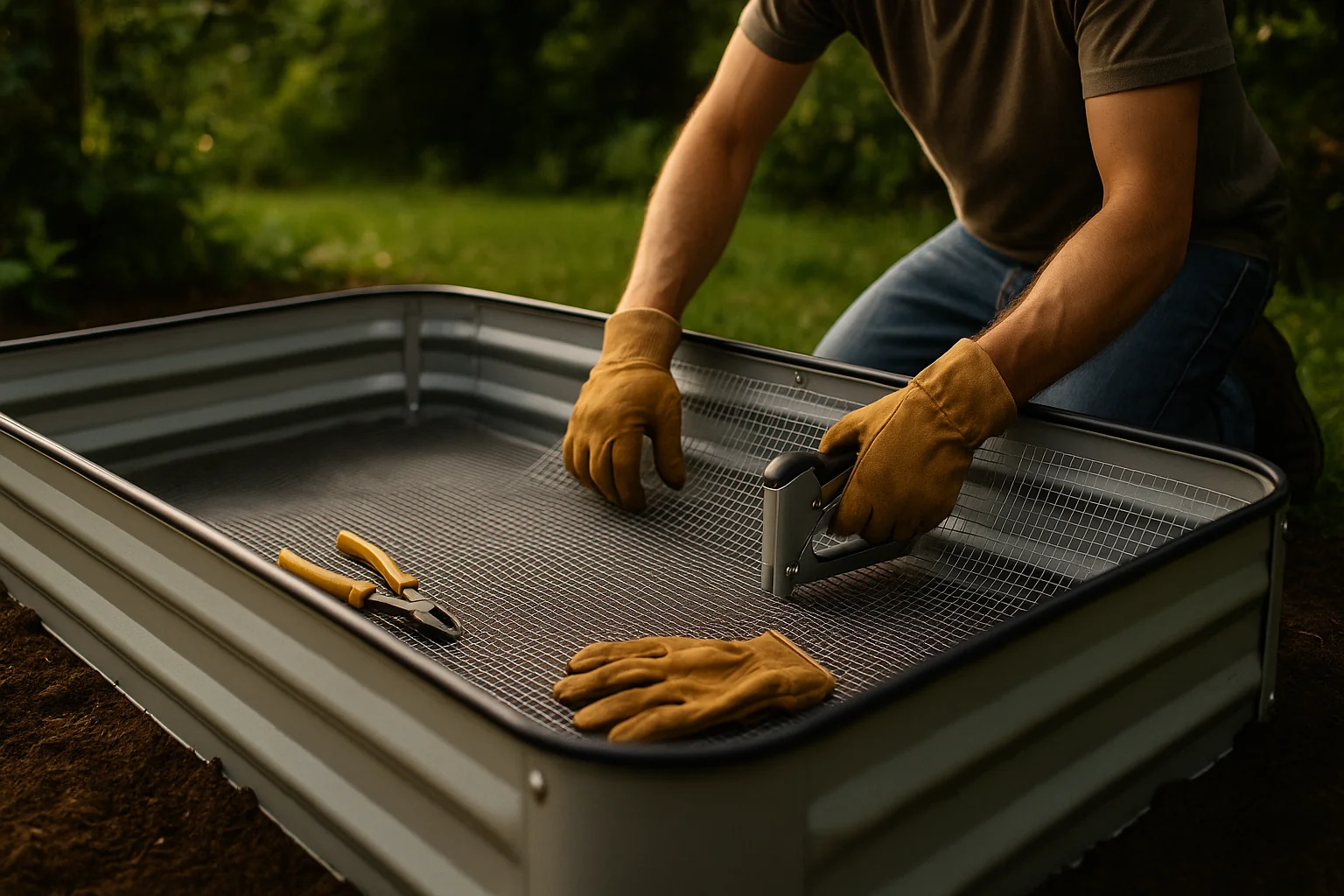
Identify burrowing-animal damage before adding raised-bed barriers. Compare hardware cloth, edge protection, inspection, and maintenance limitations.
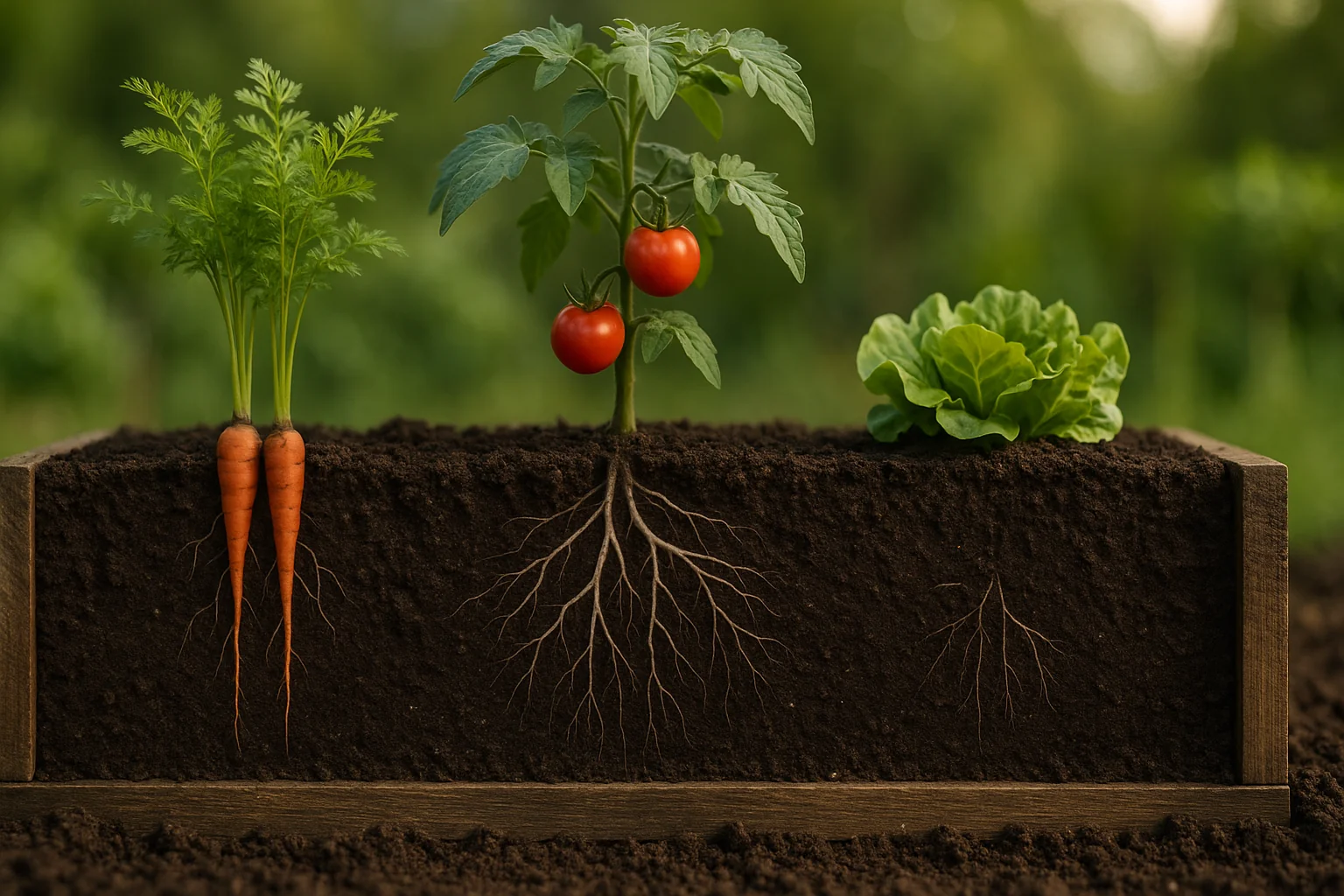
Choose raised-bed depth from the crops, usable soil underneath, drainage, and gardener access. Calculate fill volume before choosing a taller frame.
Move a raised-bed garden safely by removing soil, protecting plants, checking the frame, and preparing a level destination before reassembly and refilling.
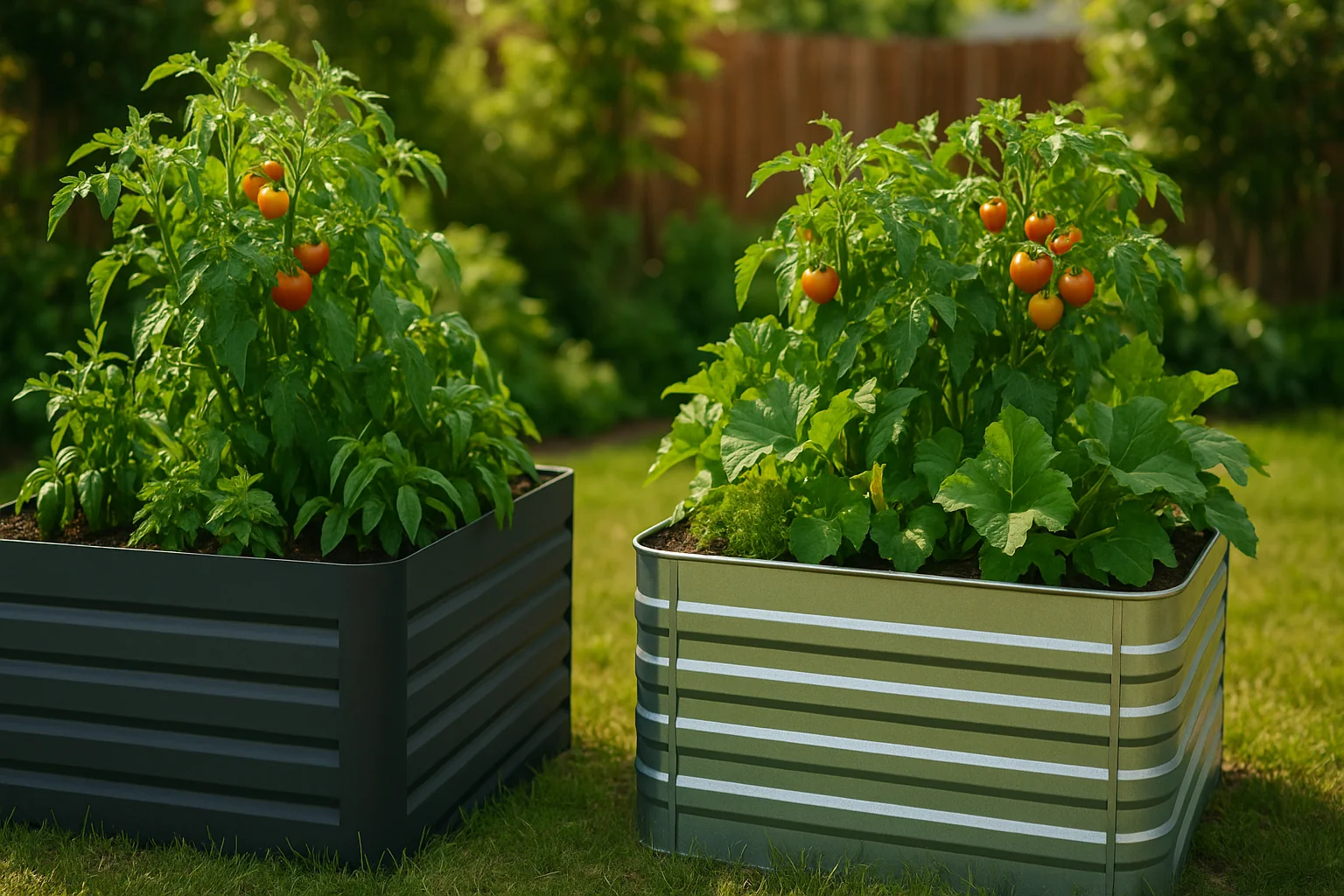
Compare Olle's 32-inch 12-in-1 and Land Guard's 12-inch 8-by-4-foot bed by usable dimensions, soil volume, access, support, and total delivered cost.
Plan raised-bed shapes around reach, walking paths, sunlight, irrigation, and crop supports. Compare compact, rectangular, L-shaped, and U-shaped layouts.
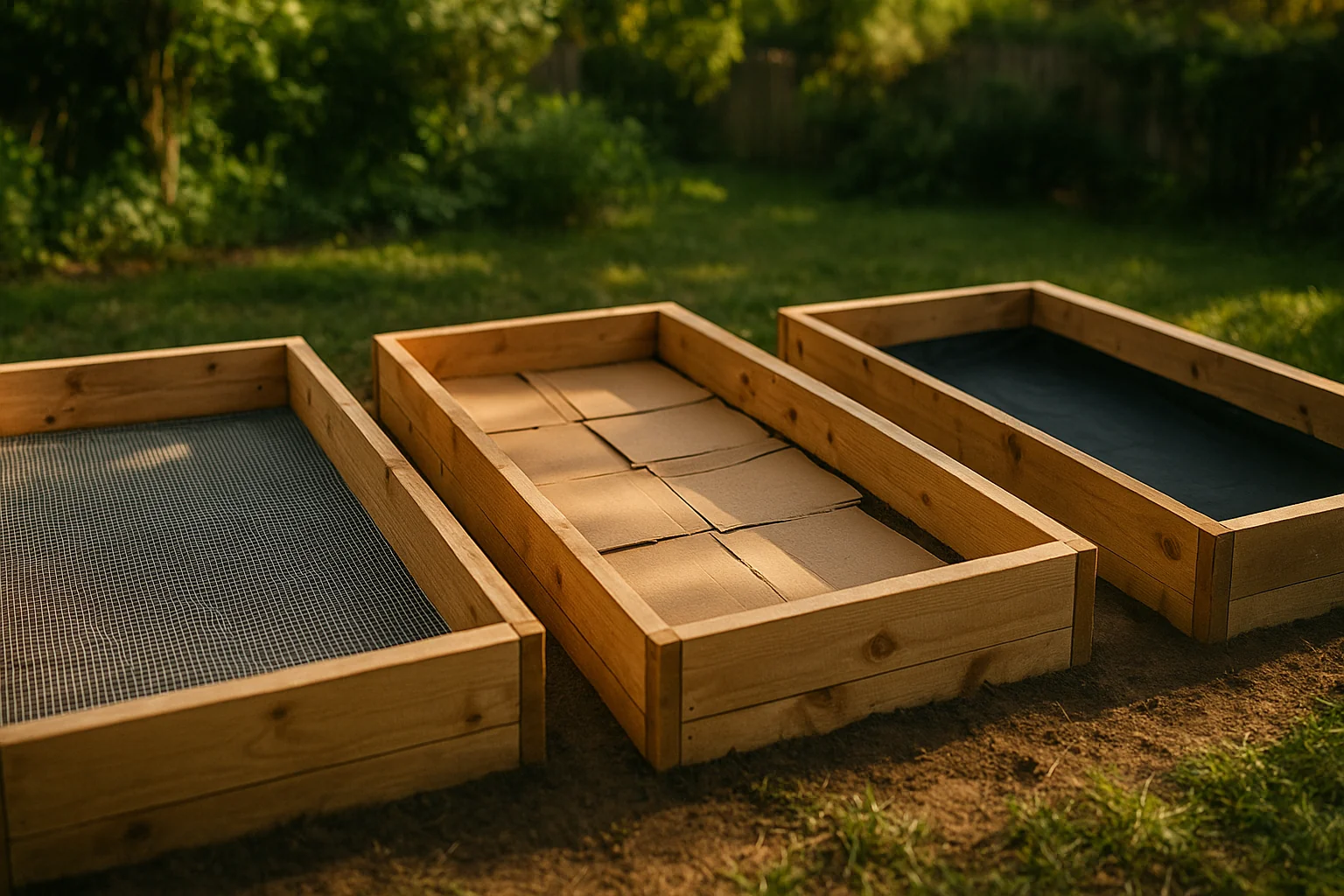
Choose raised-bed liners for the actual problem: burrowing animals, weeds, or soil loss. Compare drainage, maintenance, and material limitations.
Compare core aerators, spikes and garden forks. Diagnose compaction, choose the right season and check tool specifications before buying.
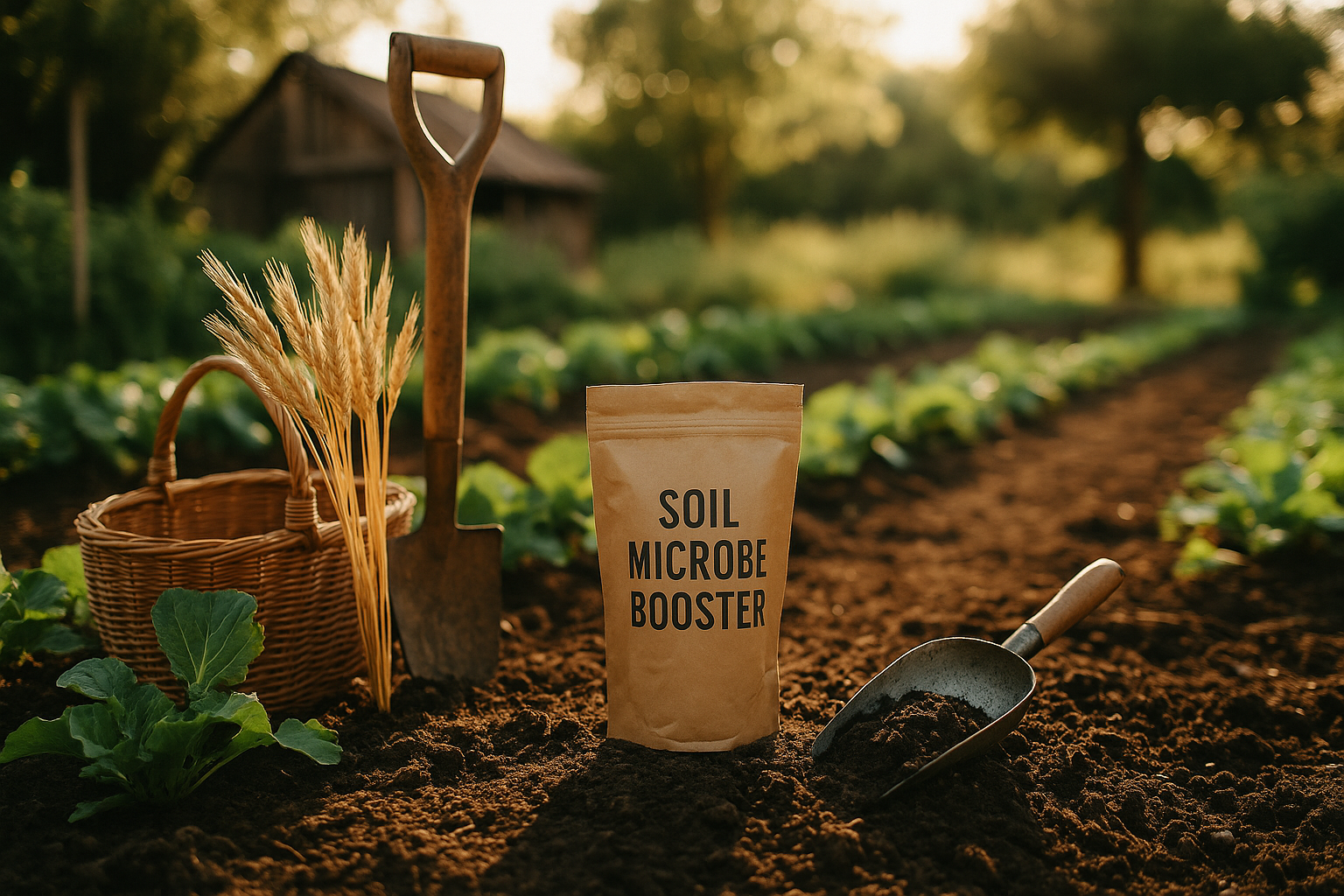
Learn when soil inoculants may help and when they are unnecessary. Check crop compatibility, evidence, storage, and basic soil care before buying.
Compare drip lines, individual emitters, soaker hoses, and reservoir pumps. Plan compatible parts, measure delivery, and test a garden watering schedule.
Choose frost cloth, greenhouse film, or rigid panels by the plants and structure. Understand cover limits, ventilation, anchoring, and temperature checks.
Compare worm-bin designs, choose suitable worms and bedding, and troubleshoot feeding, moisture and temperature before buying accessories.
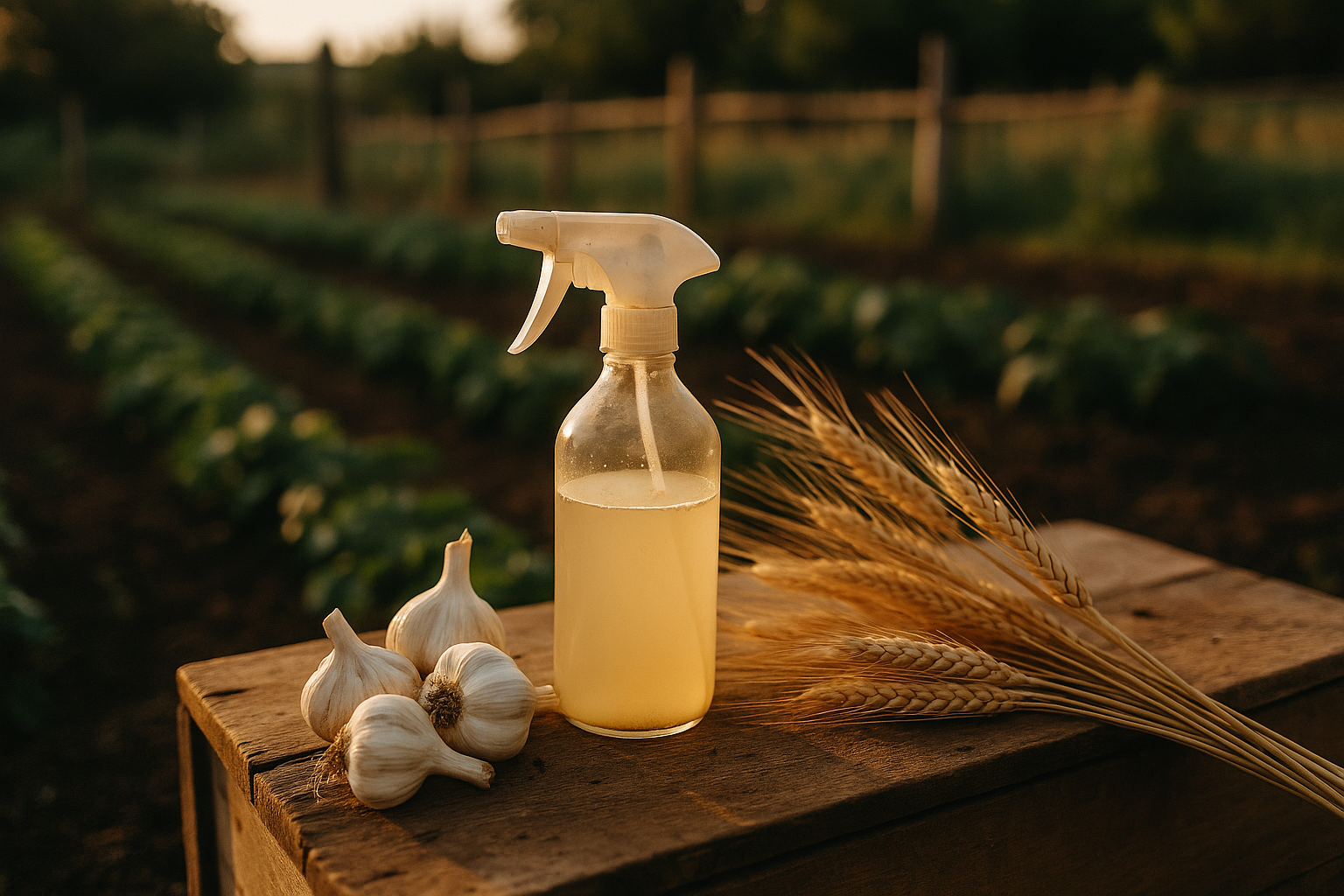
Understand the limits of garlic sprays for garden pests. Start with identification and nonchemical options, and follow the label on any commercial product.
Choose green-manure crops for a real gap in the vegetable rotation. Compare oats, peas, clover, buckwheat, and mustard, including termination limits.
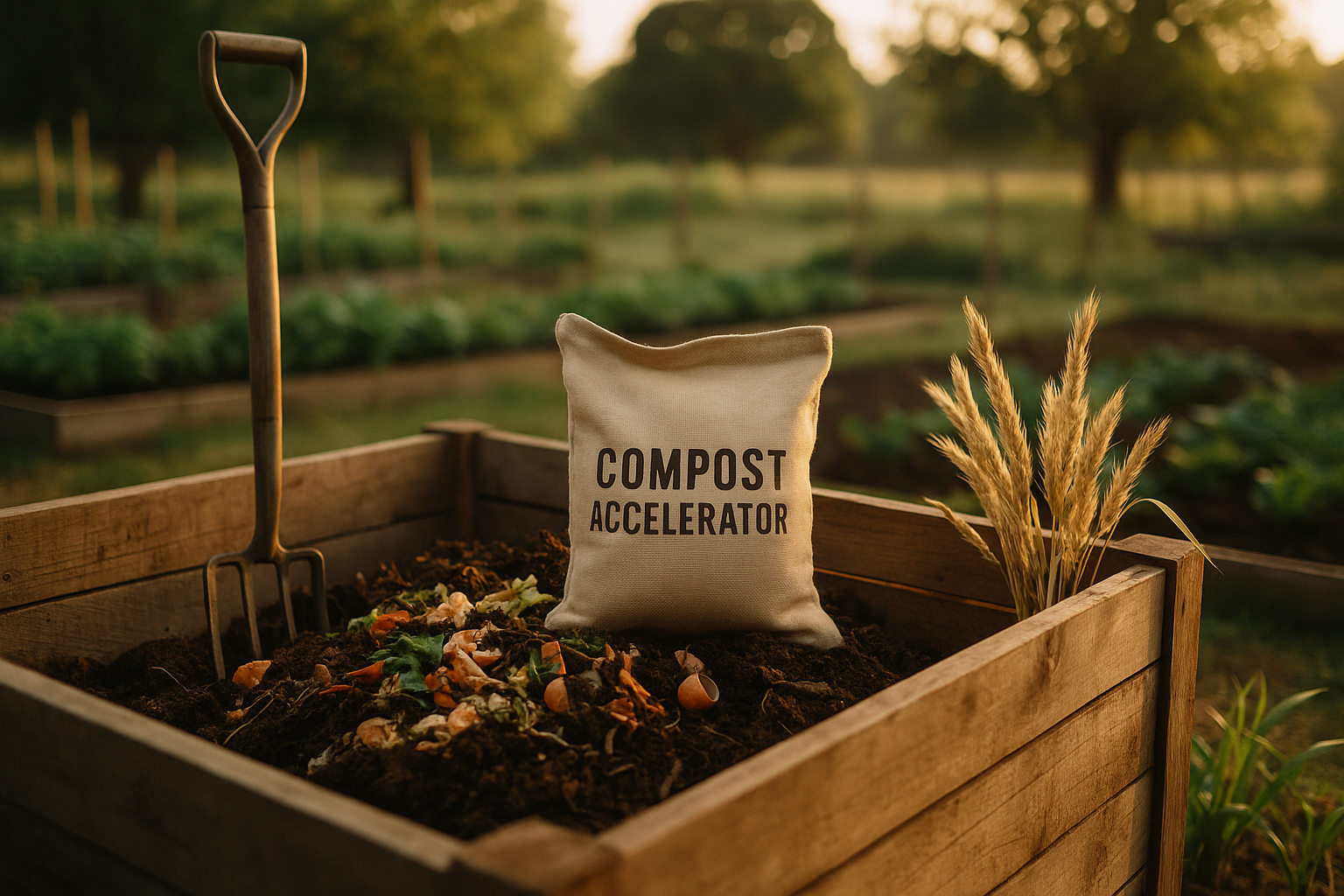
Decide whether a compost starter is needed by checking moisture, aeration, pile size, and ingredients. Compare claims with basic compost management.
Choose a worm bin by feeding area, access, bedding, and temperature. Compare documented tray systems and distinguish finished vermicompost from leachate.
Evaluate garden biochar by feedstock, product testing, application guidance, soil conditions, and cost. Benefits vary, so start with a clear soil problem.
Choose a beekeeping suit by veil visibility, fit, fabric, closures, and ventilation. Protective clothing reduces exposure but cannot prevent every sting.
Identify useful garden predators and match them to the pest present. Compare habitat support, purchased insects, release conditions, and limitations.
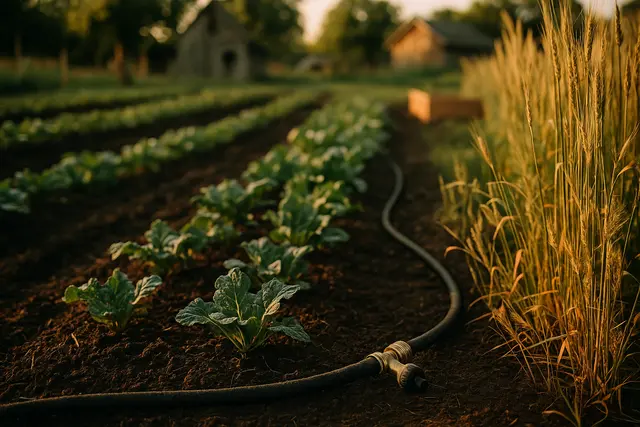
Compare Swan SoakerPRO and Melnor flat soaker hoses, with practical checks for raised bed layout, pressure, timers, flow, and complete setup cost.
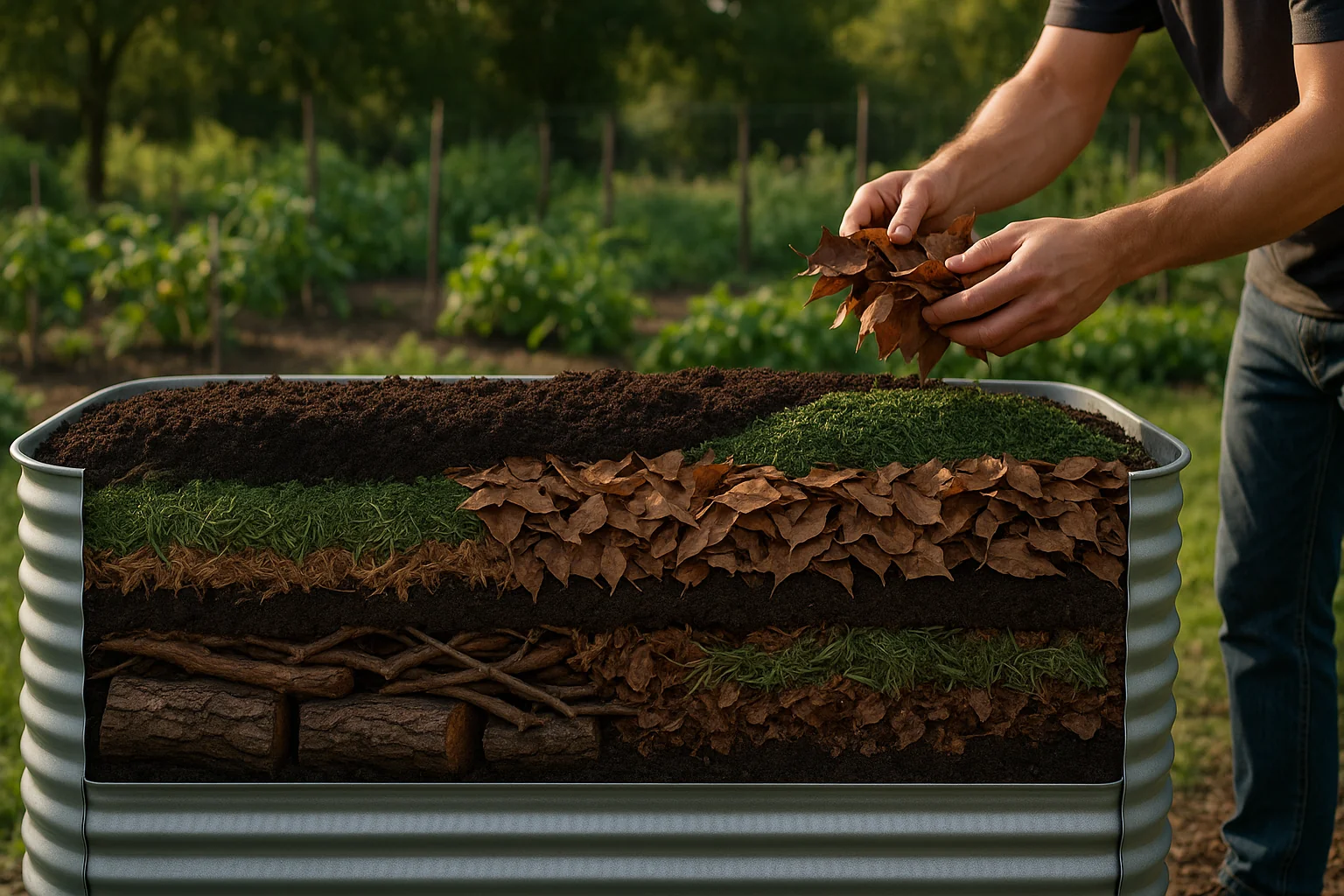
Calculate the fill for a tall raised bed, compare bulk soil and bagged mixes, and understand settling before choosing lower layers and the root zone.
Compare spring oats, field peas, mixtures and buckwheat by growing window, nitrogen contribution and termination needs before planting vegetables.
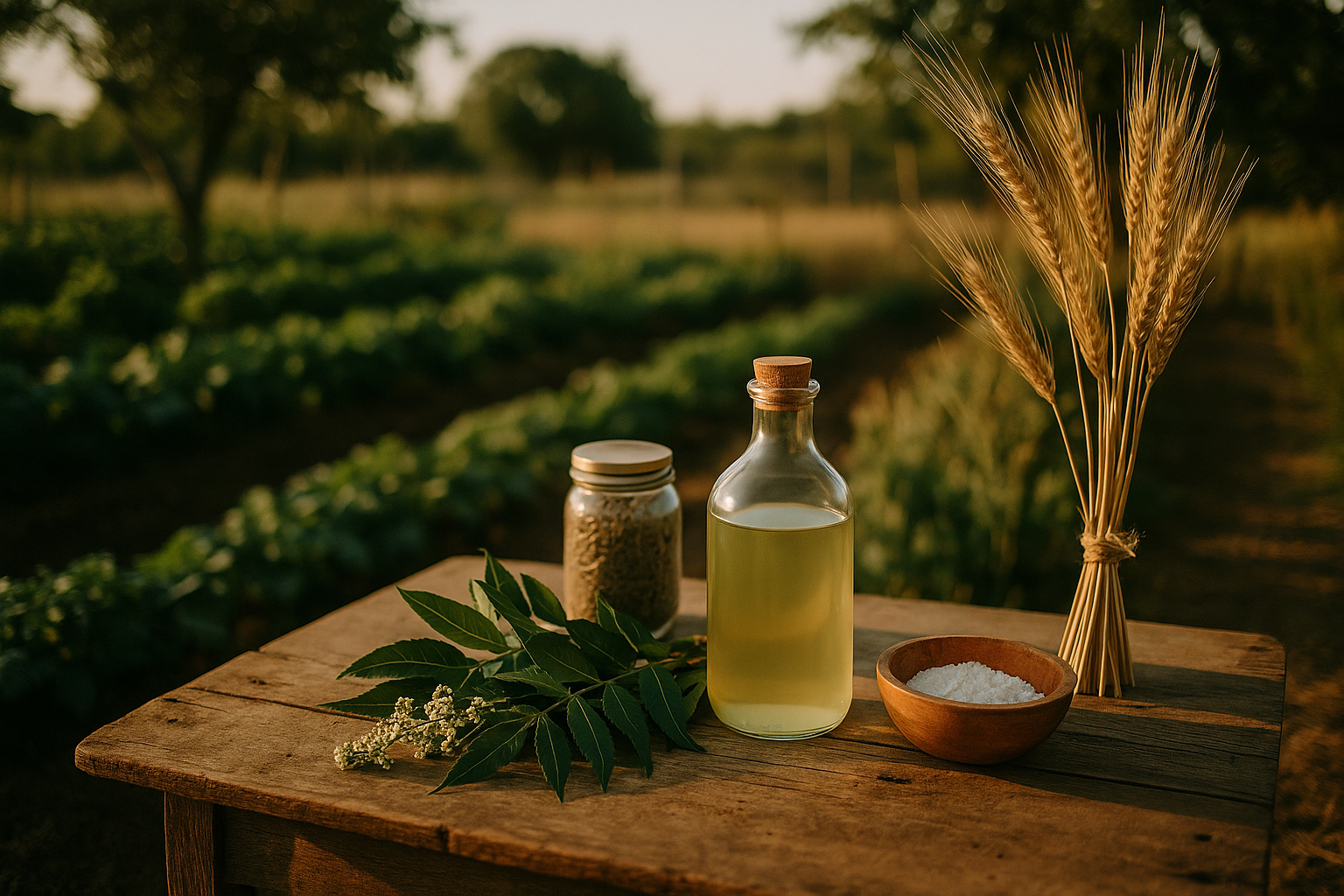
Choose neem alternatives after identifying the pest and crop. Compare physical controls and labeled products, including effects on beneficial insects.
Plan an indoor herb garden around usable light, drainage, mature plant size, and access. Compare vertical shelves and wall pots with countertop hydroponics.
Compare saucer and bottle hummingbird feeders by cleaning access, leaks, bee guards, and nectar capacity. Support bees with flowers rather than feeder nectar.
Compare five cut-flower choices by temperature, harvest role, repeat cutting, and planting method. Build a small trial before ordering a large seed mix.
Restart a compost pile, diagnose moisture and aeration problems, and recognize finished material. Apply compost according to soil needs rather than a calendar.
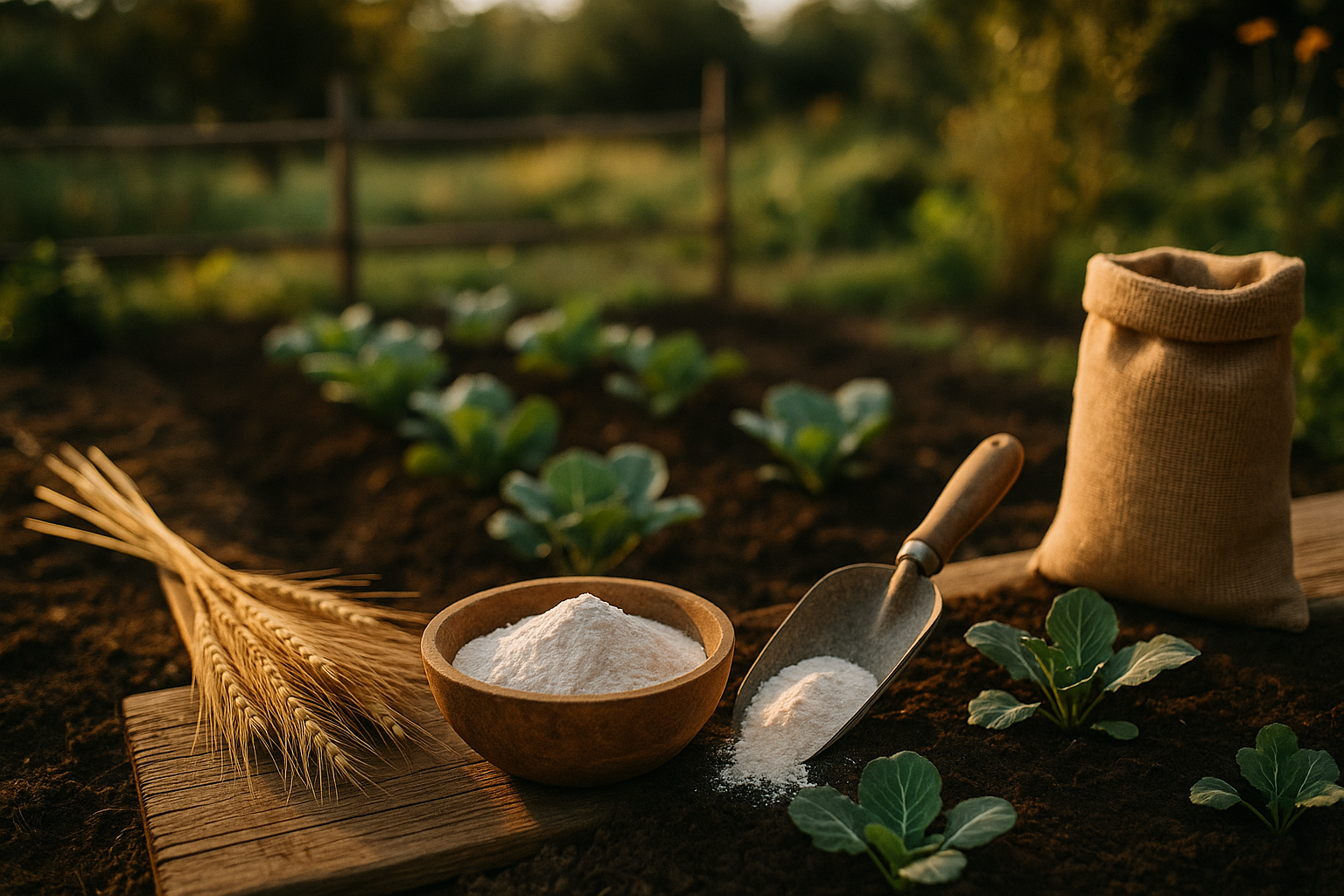
Understand what diatomaceous earth can and cannot control. Follow pesticide labels, avoid breathing dust, and keep applications away from beneficial insects.
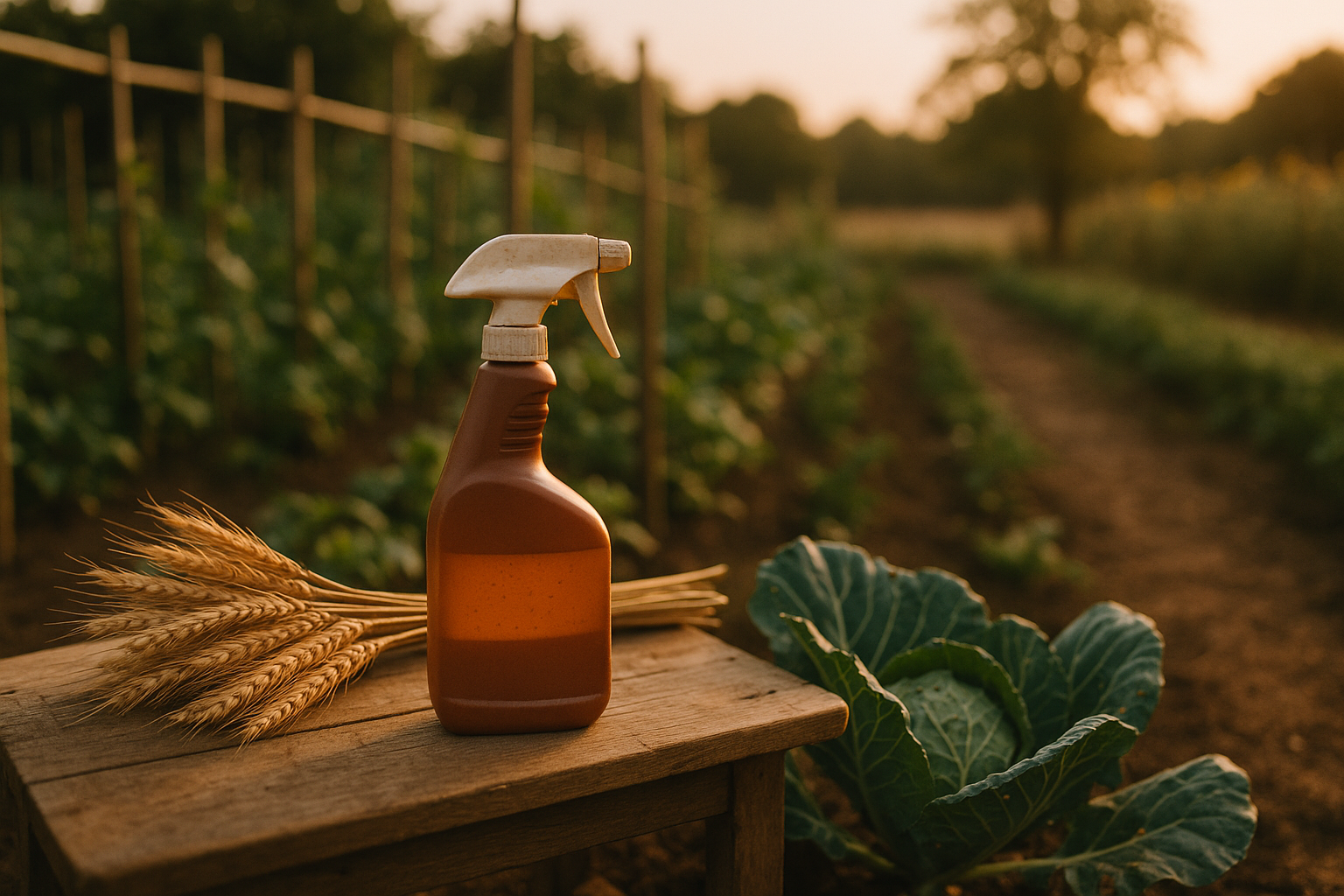
Match pest-control products to an identified garden pest and crop. Compare label directions, timing, plant sensitivity, and risks to beneficial insects.
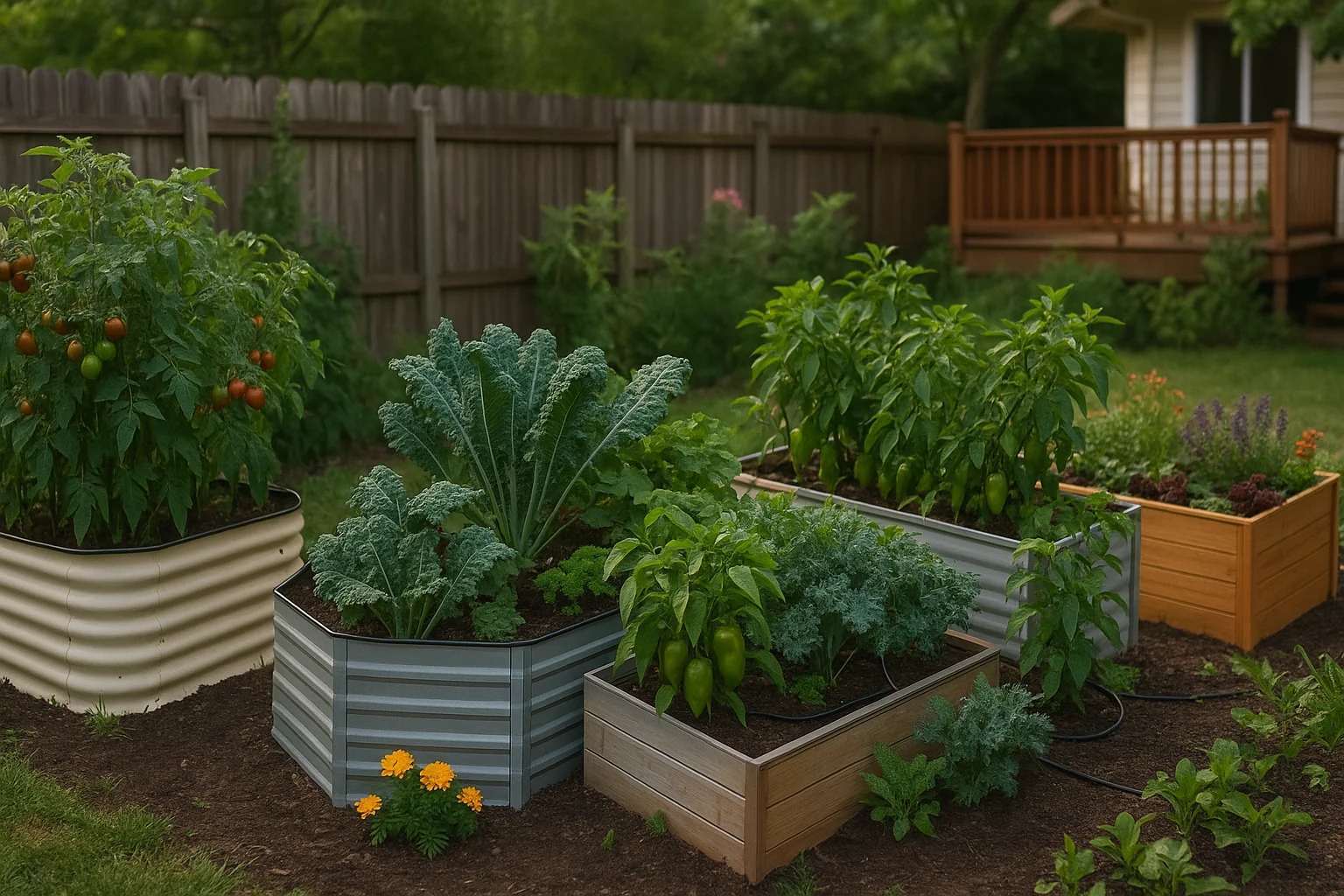
Compare exact Vego and Birdies raised bed models by height, layouts, reach, soil volume, bracing, accessories, and the full cost of installation.
Compare GreenStalk Original, Garden Tower 2, and hydroponic tower designs by root space, watering, power, maintenance, and the crops you want to harvest.
Compare patio towers, planter stands, and wall pockets by usable light, loaded weight, watering, and reach. Check current GreenStalk and Garden Tower options.
Compare soap-making kits by process, ingredients, equipment, instructions, and handling. Choose a manageable first project without unsupported skin claims.
Understand bokashi fermentation, bucket management, and the finishing step needed before material becomes garden-ready. Compare it with ordinary composting.
Compare coop kits using usable adult-bird space, ventilation, run design, predator resistance, and cleaning access before accepting advertised capacity.
Choose a seed-starting kit by crop, cell size, light coverage, and transplant timing. Separate essential supplies from optional domes and heat mats.
Compare moisture meters and irrigation sensors by sensing depth, calibration, soil compatibility, placement, and maintenance before trusting a reading.
Compare netting, panels, cages, stakes, and arches for small gardens. Plan mature crop weight, wind exposure, anchoring, and harvest access before buying.
Compare five flour mills by milling mechanism, power source, ingredient limits, cleaning, and kitchen setup. Separate flour mills from brewing crushers.
Compare small hydroponic systems by crop space, lighting, water care, and power dependence, with a specification-based look at the LetPot Senior.
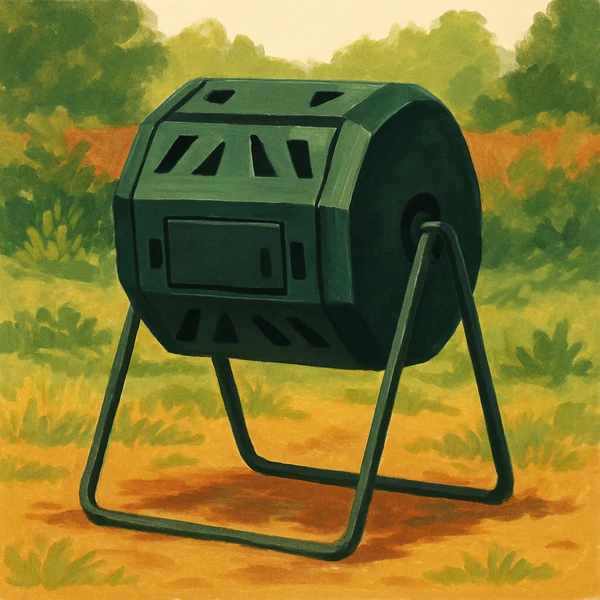
Compare FCMP IM4000 and Jora JK270 compost tumblers by capacity, batch workflow, access, insulation, and total setup cost without promised finish times.
Choose beehive tools for routine inspections, frame handling, records, and cleaning. Check hive compatibility and protection before opening a colony.
Compare rooftop container materials after checking building approval, wet weight, wind, drainage, and access. Choose plant space without guessing roof capacity.
Compare AC and DC freezers for off-grid use. Estimate daily energy and battery reserve, check installation limits, and plan safe frozen-food storage.
Choose an urban gardening kit around light, drainage, crop size, and water access. Compare container, seed-starting, and hydroponic kits without extra gear.
Compare goat shelters by usable space, drainage, ventilation, anchoring, and access for cleaning before choosing a kit for your herd and climate.
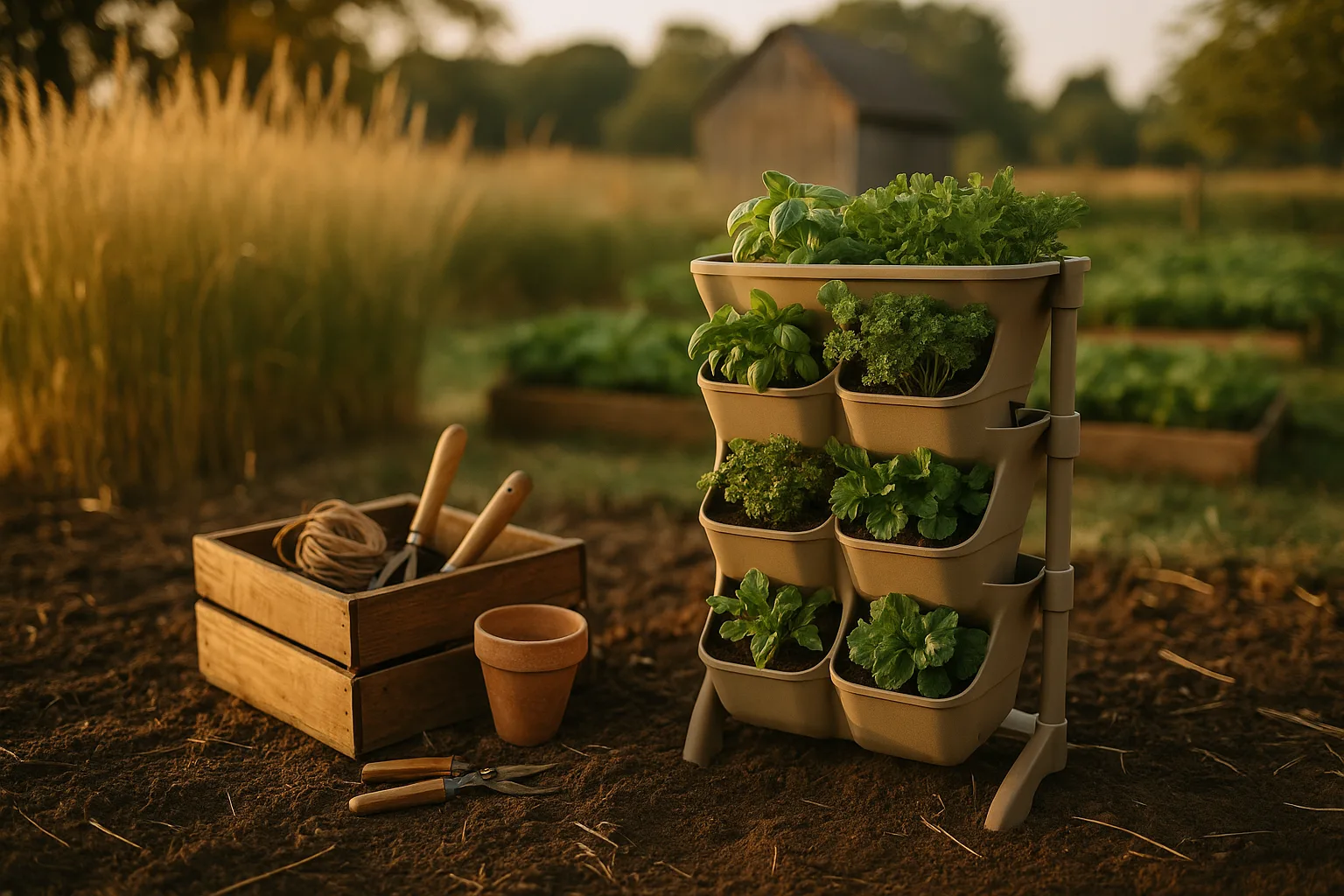
Compare vertical garden kits for small spaces by root volume, watering access, light, assembly, and support requirements before choosing a layout.
Compare ten spring-flowering bulbs by planting season, drainage, bloom use, and local climate, with a practical plan for a first cutting bed.
Check intended use, heat requirements, controls and installation before choosing a greenhouse heater. Learn why a household model may be unsuitable.
Size a rain barrel or cistern for your roof and intended use. Compare storage, overflow, pressure, and maintenance without assuming rainwater is drinkable.
Compare small drip systems by water source, pressure, tubing, emitters, filtration, and expansion needs for containers and compact garden beds.
Make a small bee hotel for suitable cavity-nesting bees using replaceable nesting material, a weatherproof shelter, and care that protects developing bees.
Build a planting calendar from local frost dates, crop temperature needs, maturity time, and available space. Adjust it each year using actual conditions.
Plan locally suitable pollinator habitat with seasonal flowers, butterfly host plants, nesting areas, and lower pesticide exposure. Start with a small site.
Choose an automatic irrigation system by zones, pressure, soil type, weather data, moisture sensing, scheduled maintenance, and water-saving controls.
Plan flower production around soil care, water management, crop diversity, harvest handling, and waste reduction suited to the scale of your growing space.
Match weed control to annual seedlings, perennial roots, beds, and paths. Compare hand removal, mulch, cultivation, and the limits of vinegar and salt sprays.
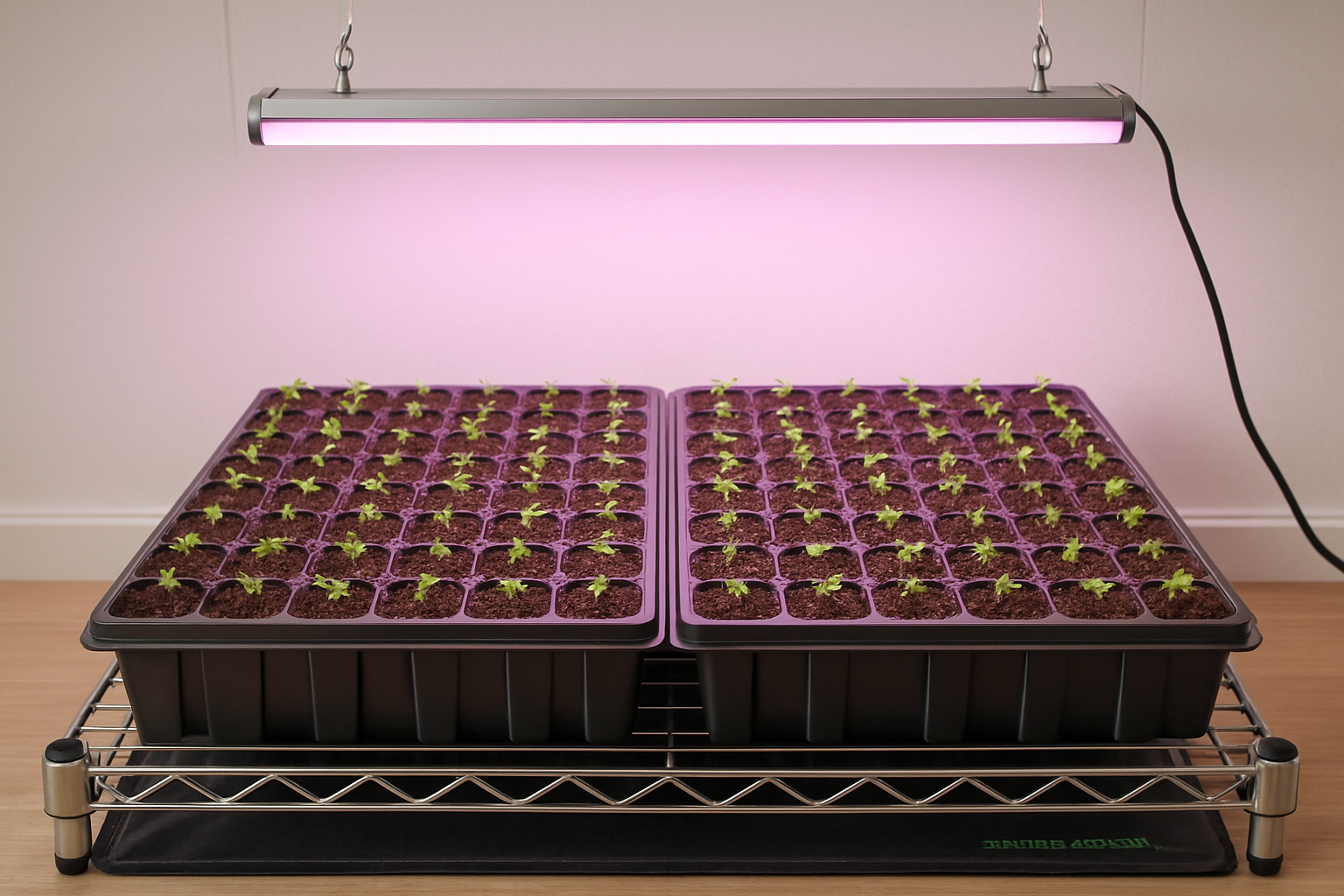
Start seeds indoors with trays, heat mats, grow lights, and potting mix — covering germination timing, thinning, hardening off, and transplant readiness.
Select a small farm's cut-flower mix by buyer needs, season, stem quality, harvest pattern, and labor. Compare starter crops and design a manageable trial.
Grow a small container of identified edible flowers. Choose the right species and plant part, suitable growing conditions, and safe harvest and handling.
Investigate root damage by identifying the organism and checking soil conditions. Compare monitoring and targeted controls for common soil-dwelling pests.
Find local flower growers and compare bouquets, subscriptions, U-pick and event orders. Check seasonality, pickup, quantities and fulfillment before buying.
Learn how to ferment kosher-style dill pickles with a reliable brine ratio, safe fermentation signs, and practical storage tips.
Use manure and compost according to soil tests, crop needs, maturity, and food-safety guidance. Avoid unnecessary nutrient loading and unsafe harvest timing.
Plan responsible hive care around regular inspections, Varroa monitoring, suitable forage, winter stores, and guidance from local beekeeping experts.
Start a small flower farm with a manageable crop plan, local market research, realistic labor estimates, harvest handling, and a clear route to buyers.
Build an affordable raised bed by comparing frames, fill volume, safe materials, and delivery. Avoid costly drainage mistakes and size the bed for your reach.
Estimate flower-farm profit using sellable stems, actual sales, owner labor, overhead, and losses. Compare channels and test a budget before expanding beds.
Build a small cut-flower production plan around harvest dates, usable stems, labor, hydration, and sales. Match succession and postharvest care to each crop.
Compare sustainable farming practices by soil impact, water use, inputs, limitations, and fit for small farms and gardens.
Work backward from your local first frost to plan fall vegetables. Compare seed-packet maturity, transplant timing, soil warmth, and frost protection.
Check flowers and foliage for thrips, distinguish feeding injury from virus concerns, and compare monitoring and management options.
Compare compost drums by capacity, turning effort, openings, drainage, and maintenance. Decide whether a tumbler or stationary bin fits your waste stream.
Plan corn, beans, and squash together with adequate space, appropriate varieties, staged planting, and support. Learn where a small bed may be too crowded.